Creek, runoff, and flash flooding · Denton County
Flood Water Restoration in Denton, TX
Flood damage restoration in Denton TX starts with treating floodwater as potentially contaminated, removing what it soaked, disinfecting, and drying the structure fully before repairs. We handle the cleanup, document everything for a flood or homeowners claim, and rebuild.
- 24/7 flood cleanup
- Contaminated water protocols
- Flood cuts and disinfection
- NFIP claim documentation
Flood facts for Denton
- Main creeks: Cooper, Pecan, and Hickory, draining to Lewisville Lake
- Past major floods: 1996, 2007, and spring 2015
- Flood policy wait: usually 30 days before coverage starts
- Homeowners policy: most do not cover flood
Water still rising? Get to safety first, then call (940) 274-9880.
Flood damage restoration is not the same as a pipe leak
When a supply line breaks, the water is clean at first. Floodwater is different. Water that flows in from outside across yards, streets, and drainage channels can carry soil, sewage, fuel, fertilizer, and bacteria. It also tends to cover a wide area at once, soaking the bottom of every wall it touches.
That changes the whole job. Porous materials that sat in contaminated floodwater usually cannot be cleaned well enough to keep. Walls get flood cuts, everything gets cleaned and disinfected, and drying takes more equipment. It also changes the insurance, because rising water is usually excluded from homeowners policies.
Our flood restoration crews work across Denton County, from creek-side neighborhoods in Denton to low-lying streets near Lewisville Lake and the Elm Fork of the Trinity River.
After the water stops rising
What to do right now after a flood
Do
- Wait for it to be safe. Do not drive or walk through moving water. Turn around.
- Shut off power at the main only if you can reach it without standing in water. Otherwise call the utility.
- Wear boots and gloves. Treat all floodwater and mud as contaminated.
- Photograph and video every room, the waterline on walls, and damaged items before removing anything.
- Call your flood insurer or agent to report the claim, then call us.
Don’t
- Turn on lights or appliances that were under water.
- Use gas appliances that got wet until a pro checks them.
- Let kids or pets play in the water or mud.
- Throw out damaged items before your adjuster sees them or you have photos.
- Run a generator indoors or in a garage.
- Wait days to start drying: mold can begin within 24 to 48 hours.
Water category
How we classify flood water
IICRC guidance says category is decided by inspection, not by the source name alone.
| Type of water | Usual category | What we do |
|---|---|---|
| Rising water from a creek, river, or street runoff that crossed soil and drains | Category 3 (grossly contaminated) in most cases | Remove wet porous materials, flood cut walls, clean and disinfect, dry |
| Sewage backup through floor drains or toilets | Category 3 | Full contamination protocol and protective gear |
| Wind-driven rain through a window or roof opening | Often Category 1 or 2, based on inspection | Extract and dry; saves more materials |
| Clean water left standing for days | Can degrade to Category 2 or 3 | Assess on site; more removal the longer it sat |
A 2026 IICRC position statement makes this point clearly: weather-related water is not automatically Category 3. Rain that blew through a window is not the same as creek water that came through the front door. We test and look before we decide, which avoids removing materials that could be saved.
Our process
Our flood water restoration process
Safety and scope
We check for electrical and structural hazards, confirm the water category, and map how high the water reached in each room.
Pump and extract
Pumps remove deep water. Extractors pull water and silt from floors. Mud is shoveled and scraped out.
Tear out
Carpet, pad, wet insulation, and drywall are removed. A flood cut usually goes at least 2 feet up, or above the waterline if water rose higher.
Clean and disinfect
Studs, slab, and remaining surfaces are cleaned, then treated with an antimicrobial. HEPA vacuums and air scrubbers control dust and spores.
Dry and rebuild
Dehumidifiers and air movers dry framing and slab to dry standard. Then insulation, drywall, paint, cabinets, and flooring go back.
Denton County
Where flooding happens around Denton
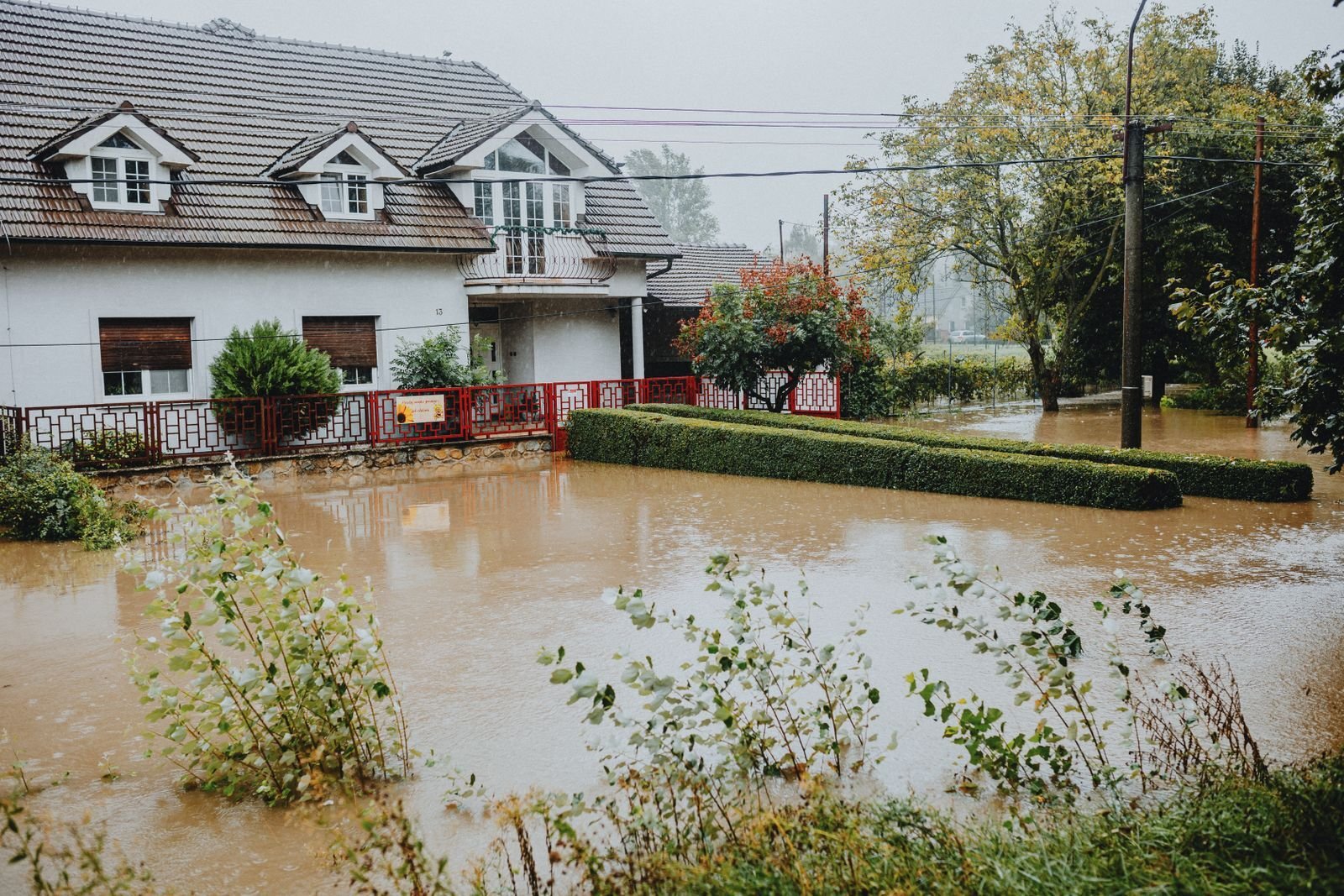
The City of Denton drains all storm runoff to three creeks, Cooper, Pecan, and Hickory, which carry it to Lewisville Lake. Mapped floodplains follow those creeks and their branches, including North Pecan Creek and Dry Fork Hickory Creek. The city lists 1996, 2007, and April to May 2015 as major flood events from heavy rain.
Denton County also holds Lewisville Lake, Ray Roberts Lake, and Grapevine Lake, and it is drained by two forks of the Trinity River. Spring brings flash floods and severe thunderstorms, and heavy clay soils absorb rain slowly, so runoff builds fast on streets and yards.
Flooding is not limited to mapped zones. The City of Denton notes that properties in a floodplain have about a 26% chance of flooding over a 30-year mortgage, and it urges residents outside floodplains to consider flood insurance too. You can look up your property on FEMA’s Flood Map Service Center.
Insurance
Flood insurance vs homeowners insurance
| Question | Homeowners policy | NFIP flood policy |
|---|---|---|
| Rising water from outside | Usually excluded | Covered, subject to terms |
| Burst pipe inside the home | Usually covered (sudden and accidental) | Not the purpose of the policy |
| Maximum limits (residential) | Set by your policy | Up to $250,000 building and $100,000 contents |
| Waiting period | No special wait once the policy is in force | Usually 30 days after purchase |
| Basement contents | Varies | Personal property in basements excluded; limited basement building items |
| Hotel or living expenses | Often covered as loss of use for covered events | Not covered |
| Sewer backup | Only with an endorsement | Covered only when caused by general flooding |
Commercial buildings can get up to $500,000 each for building and contents through NFIP. Many people also buy private flood policies with different limits. Coverage always depends on your policy.
Flood claims need strong evidence: photos of the waterline, lists of damaged items, and samples of materials like carpet. We photograph every room, record the water height, keep moisture logs, and write an itemized estimate. We can work directly with your insurance company and meet the flood adjuster. The insurance claim coverage estimator can help you plan around deductibles.
What drives the cost of flood damage repair
- Water height. 2 inches of water means a 2 foot flood cut; 3 feet of water means removing drywall to 4 feet and more insulation.
- Square footage affected. Floods usually wet a whole floor, not one room.
- Contamination. Category 3 cleanup takes protective gear, more removal, and disinfection.
- Mud and debris. Silt removal is labor heavy.
- Time before drying starts. Delay adds mold remediation to the bill.
- Finishes and cabinets. Lower cabinets that sat in water are usually replaced.
We do not quote fixed prices before seeing the damage. For a rough idea, use the water damage cost calculator.
Mold after a flood
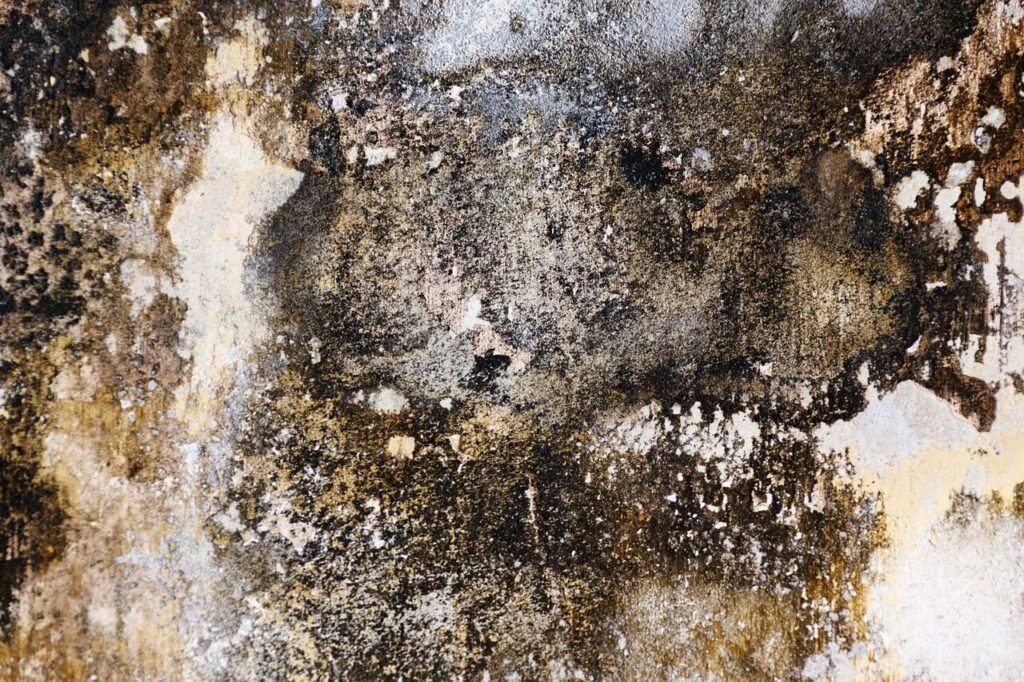
Floodwater raises humidity in the whole house, not just the wet rooms. In warm months, mold can start on wet drywall, wood, and contents within 24 to 48 hours. That is why we keep dehumidifiers running across the affected floor, not only in the rooms with visible water. If the house sat closed up for days before anyone could get back in, we check for growth before the rebuild and handle removal first.
Can I clean up a flooded house myself?
You can do some of it: removing wet contents, pulling carpet, and hauling debris. Wear gloves, boots, and an N95 or better mask. But contaminated floodwater calls for cleaning and disinfection of framing, plus measured drying of walls and slab. If framing is not fully dry before it is closed up, mold grows inside the new walls. Read our guide for flooded homes in Denton and the flash flood risks in Denton County.
Your belongings
Keep, clean, or discard after floodwater
A general guide for items that sat in contaminated floodwater. Photograph everything before it leaves the house.
Usually cleanable
Hard plastic, glass, metal, ceramic dishes, and solid wood furniture. Wash, disinfect, and dry fully. Solid wood may need slow drying to avoid cracks.
Case by case
Rugs, clothing, important papers, and photos. Clothing can often be laundered. Papers and photos can be frozen and dried by specialists if they matter to you.
Usually discarded
Mattresses, upholstered furniture, carpet pad, stuffed toys, particleboard furniture, and any food, medicine, or cosmetics that touched the water.
A flood claim checklist
- Policy details. Have your flood policy number and agent contact ready when you call.
- Waterline photos. Photograph the highest water mark in each room with a tape measure in the frame.
- Item list. Write down damaged items with rough age and price. Keep receipts if you have them.
- Samples. Cut and keep small samples of carpet and flooring before disposal.
- Receipts. Save receipts for cleanup supplies, pumps, and emergency work.
- Our records. Ask us for the moisture logs, photo report, and itemized estimate to send with your claim.
24/7 Emergency Line
Flooded right now?
Call (940) 274-9880 any hour. We can start pumping and extraction as soon as it is safe to enter.
Service area
Flood cleanup in every city we serve
- Denton Flood Restoration
- Corinth Flood Restoration
- Lake Dallas Flood Restoration
- Argyle Flood Restoration
- Krum Flood Restoration
- Ponder Flood Restoration
- Little Elm Flood Restoration
- Lewisville Flood Restoration
- Flower Mound Flood Restoration
- Carrollton Flood Restoration
- Coppell Flood Restoration
- Northlake Flood Restoration
- Justin Flood Restoration

FAQ
Flood restoration questions
What should I do first when my house floods in Denton?
Get everyone safe, then shut off power if you can do it without standing in water. Photograph the damage, report the claim to your flood insurer, and call a flood restoration company to start extraction and drying.
Does homeowners insurance cover flood damage in Texas?
Usually not. The Texas Department of Insurance notes most home policies do not cover floods. You need an NFIP or private flood policy, which usually has a 30-day waiting period.
Why do you cut drywall 2 feet up even if the water was only a few inches?
Drywall wicks water above the waterline, and contaminated water soaks into the paper and gypsum. Cutting at a standard height removes the wet material and opens the wall to dry and disinfect the studs.
Can furniture that sat in floodwater be saved?
Solid wood and metal pieces can often be cleaned and dried. Upholstered furniture, mattresses, and particleboard that soaked in contaminated floodwater usually cannot be made safe.
How long does flood restoration take?
Tear-out and cleaning take 1 to 3 days for most homes, and drying often takes about 3 to 5 more. Rebuild time depends on how much was removed and on material orders.
Is a flooded garage or yard something you handle?
We clean and dry garages and any part of the structure. Landscaping, fences, and pools are outside our scope, and NFIP does not cover those items either.
How do I find out if my home is in a flood zone?
Search your address on FEMA’s Flood Map Service Center or the City of Denton’s interactive map with FEMA layers. Homes outside mapped zones can still flood from runoff.
Should I start pumping water out of my house myself?
Only when it is safe and the water outside has gone down. Pumping out a flooded area while the ground outside is still saturated can let water push back in. Never pump or wade where power may still be on. If you are unsure, wait for our crew.