Flood cleanup · Krum, TX
Flood Water Restoration in Krum, TX
When outside water gets in, it brings soil, fertilizer, and sometimes septic waste with it. Our flood water restoration in Krum, TX treats that water as Category 3: we extract, remove what cannot be cleaned, disinfect, and dry.
- Category 3 protocols
- Flood cuts and disinfection
- NFIP claim records
Before you go back in
- Power: off at the main if water reached outlets
- Septic: stop running water if the yard is flooded
- Photos: every room, before cleanup
- Flood policy: call it separately from homeowners
Call (940) 274-9880 any hour.
How flooding looks in the Krum area
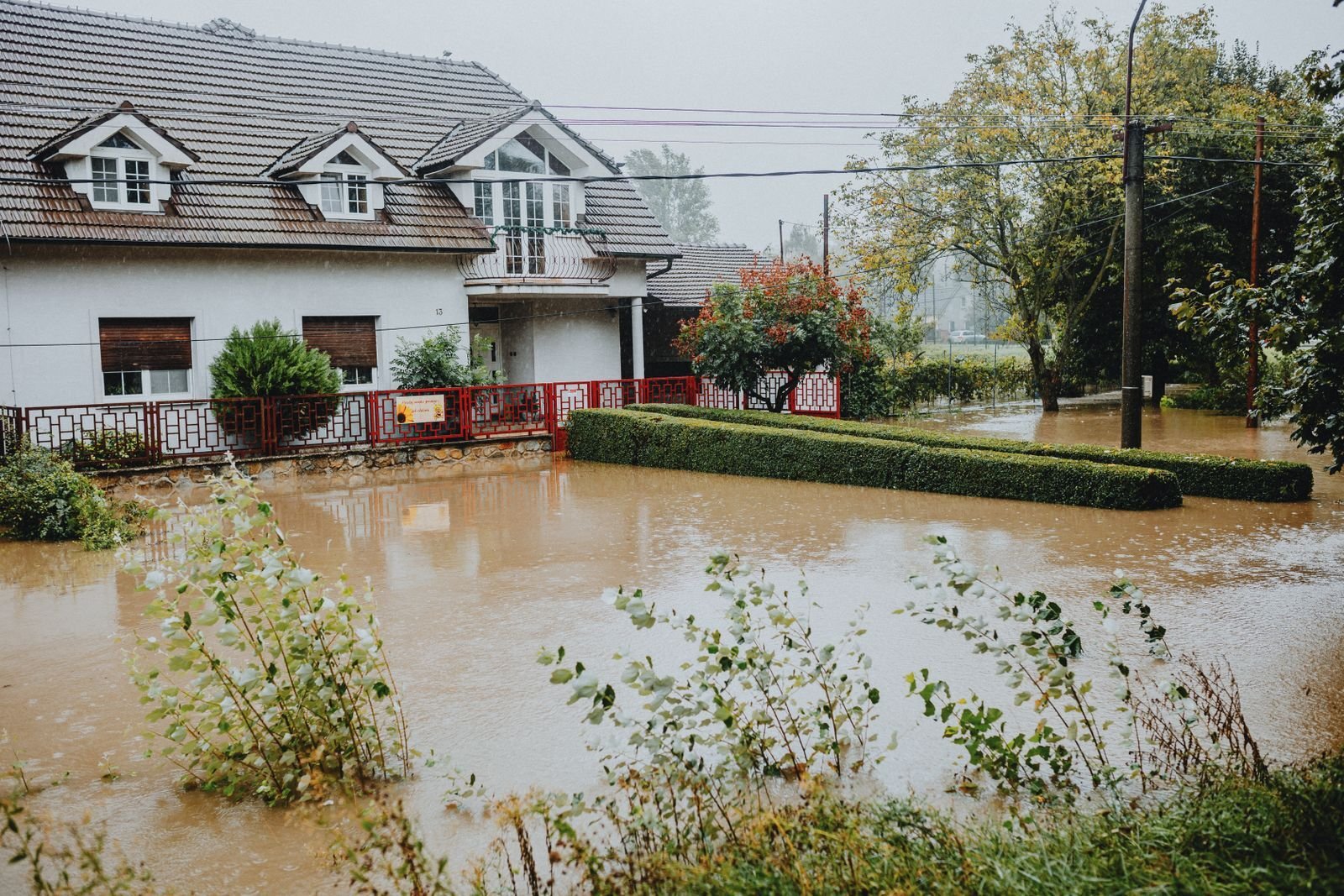
Krum is not a lakefront or river town. Most flood calls here come from heavy storms dumping more rain than yards, ditches, and streets can move. Water pools against slab edges, runs down driveways into garages, and seeps under exterior doors.
Much of the land around town is open pasture and cropland. After a hard rain, sheet flow across those fields can reach homes and outbuildings that sit low on a lot. You can check your address on the FEMA Flood Map Service Center, but many flooded homes sit outside mapped zones.
Town or country
Two kinds of Krum flood calls
● Inside city limits
City of Krum · 76249
Street and yard runoff into garages and ground-floor rooms. Storm drains back up when overwhelmed. The city runs a stormwater program and lists 940-300-6181 for sewer and storm drain emergencies.
● Rural lots around Krum
Unincorporated Denton County
Field runoff, low barns and shops, and septic drain fields that stop draining once the ground is soaked. That can push wastewater back into tubs and floor drains.
Denton County Environmental Health permits septic systems in unincorporated areas and requires a permit to repair or alter one. If a flood damaged your system, call a septic contractor and the county at 940-349-2920. We handle the cleanup inside the house.
Floodwater safety at home
Outside water that came through a Krum yard can carry fertilizer, livestock waste, fuel from equipment, and septic runoff. Treat it as unsafe until it is cleaned.
- Wear boots and gloves. Keep kids and pets out of wet rooms.
- Do not run the septic hard. Limit showers, laundry, and dishwashing until the drain field drains.
- If you are on a well, consider having the water tested before drinking it if floodwater reached the wellhead.
- Toss food that touched floodwater, even in sealed packages with paper labels.
Timeline
Flood water restoration in Krum, from day 1
- Day 1Safety check, photos, and extraction of standing water. Shovel out mud and silt, then remove soaked carpet, pad, and porous contents that touched floodwater.
- Day 1 to 2Flood cuts: drywall and insulation removed about 2 feet above the water line. Surfaces cleaned and treated with antimicrobial.
- Day 2 to 5Air movers and LGR dehumidifiers dry studs, slab, and cabinets. Readings logged daily.
- After dry standardRebuild: insulation, drywall, trim, paint, and flooring.
Sorting contents
What can be saved after floodwater
Usually saved
Solid wood furniture, metal, glass, and hard plastic items. They get cleaned, disinfected, and dried.
Case by case
Upholstered furniture, rugs, clothing, and documents. Some can be professionally cleaned. Photos and important papers can sometimes be frozen and restored.
Usually discarded
Mattresses, carpet pad, particleboard furniture, food, and anything porous that sat in floodwater.
Photograph everything before it goes to the curb, and keep a list. Your adjuster will ask for it.
Flood insurance and cost
Standard homeowners policies usually exclude rising floodwater. That takes an NFIP or private flood policy. Rain that enters through a storm-damaged roof or window is a different claim and is often handled under homeowners coverage. Coverage depends on your policy.
Cost depends on water depth, the number of rooms, how much drywall and flooring comes out, and contents. Our insurance claim coverage estimator helps you sort out which policy applies.
We photograph every room, list removed items, and keep drying logs. Those records matter for flood claims, which often need a detailed proof of loss.
More services in Krum
Related Krum services
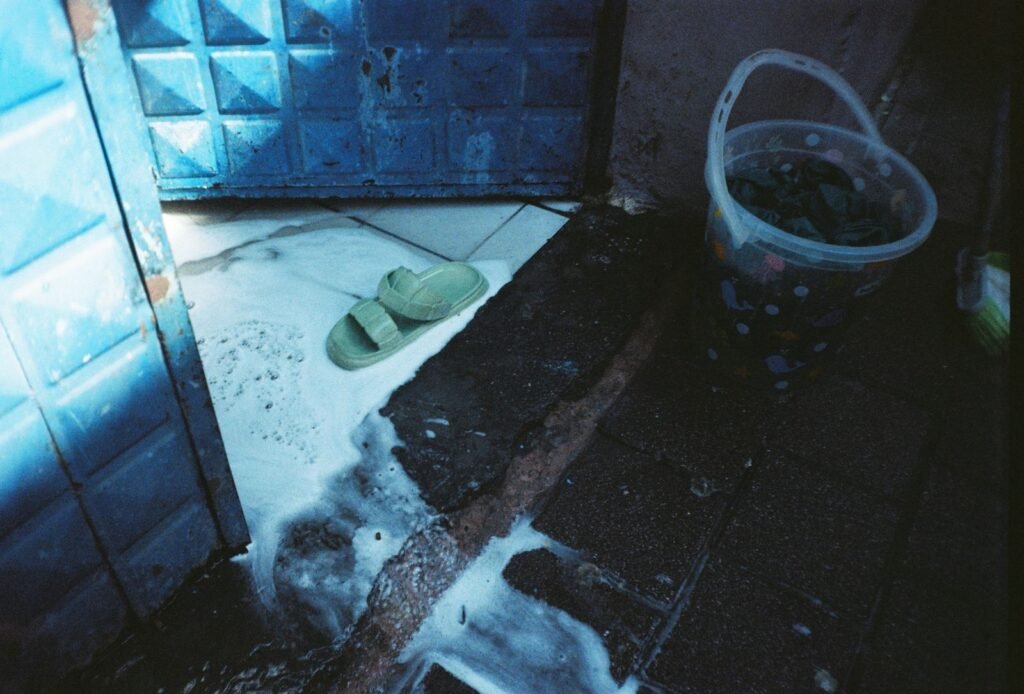


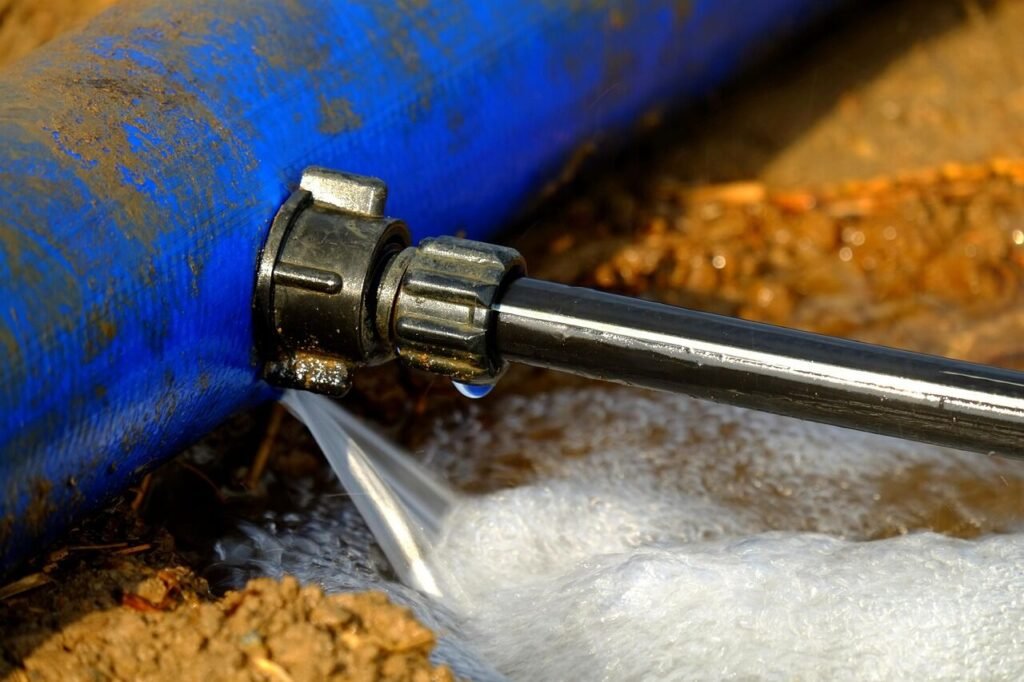
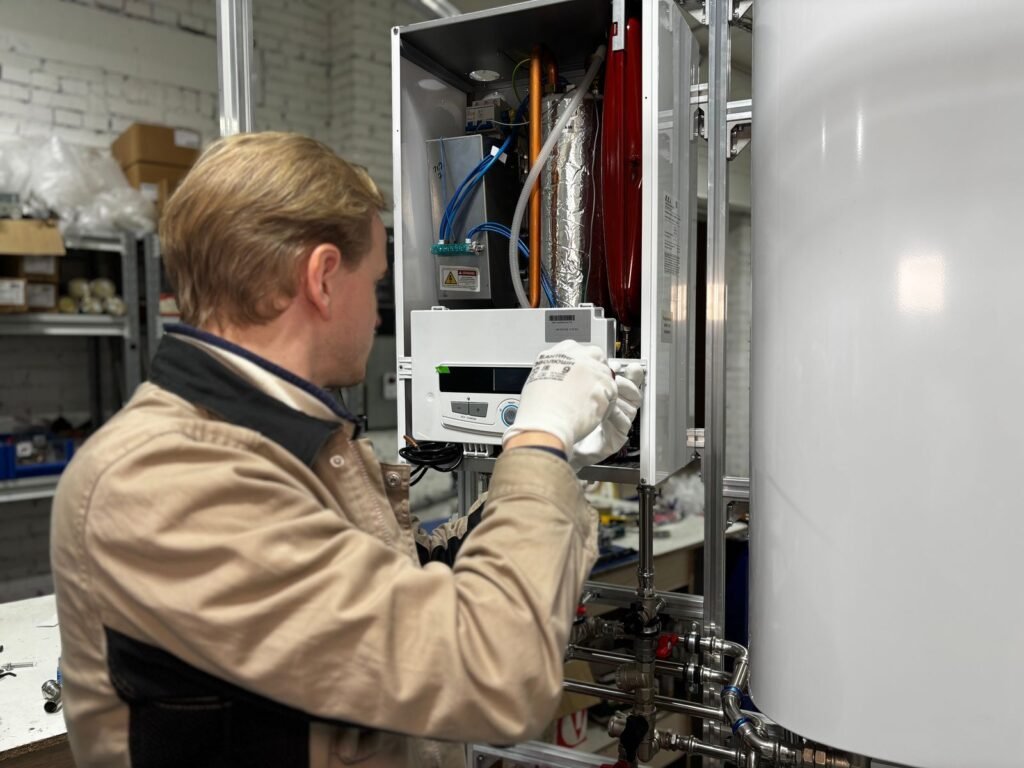
See our flood water restoration service, the Krum water damage restoration hub, and flood cleanup in Denton, Ponder, and Justin. Our post on flash flood risks in Denton County has more background.
FAQ
Krum flood cleanup questions
Why do you cut drywall after a flood?
Floodwater is contaminated, and drywall and insulation soak it up. Cutting above the wet line removes the contaminated material and lets the wall cavity dry.
My septic backed up during the storm. Is that flood damage?
Usually insurers treat it as a backup, not a flood, and many policies need an endorsement for it. Either way we clean and disinfect it as Category 3.
Can I stay in the house during flood cleanup?
Not in affected rooms. Category 3 water and exposed wall cavities are not safe for kids or pets until cleaning and treatment are done.
Do you clean flooded barns or shops?
Yes, when there is power to run equipment. We extract, clean, and dry finished spaces and help sort what can be saved.
How do I know if I need flood insurance in Krum?
Check your address on the FEMA flood map, and ask your agent. Many flood claims come from outside mapped zones, so the map is a starting point.
How soon after a flood should cleanup start?
Within 24 to 48 hours if you can. Floodwater carries bacteria, and wet drywall and wood start growing mold quickly in Texas heat.