If your home in Denton has flooded, do four things in this order: get everyone safe, stop the water if you can, document the damage, and start drying within 24 hours. Everything else, from the insurance claim to the rebuild, goes better when those four happen early. This guide covers who to call and what to do in the first hour, the first day and the first week.
My house flooded: who do I call?
It depends on where the water came from. Use this table to decide your first calls.
| What happened | Call first | Then call |
|---|---|---|
| Anyone in danger, water rising fast, or water touching the electrical panel | 911 | Your electric provider, then a restoration company |
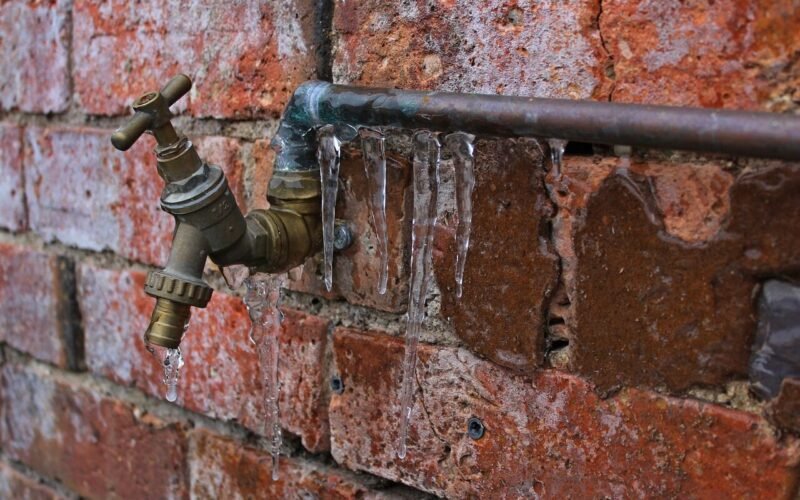
| Burst pipe or supply line | Shut the main valve yourself, then a plumber | A water damage restoration company and your homeowners insurer |
| Water heater or appliance leak | Shut the valve to the appliance or the main | Restoration company, then a plumber or appliance repair |
| Rising floodwater from outside | Evacuate if told to; 911 if trapped | Your flood insurance carrier and a restoration company once it is safe |
| Sewage backing up through drains | Stop using water in the house | A plumber, a restoration company, and the city utility if the public line may be blocked |
| Roof leak during a storm | Restoration company for tarping and extraction | Your homeowners insurer and a roofer |
For most addresses inside the city, electric service comes from Denton Municipal Electric. If you are unsure whether it is safe to be in the house, stay out and call for help.
The first hour
- Minutes 0 to 5: get safeGet people and pets away from the water. Do not walk through water near outlets, cords or appliances that are plugged in. Stay out from under any ceiling that sags.
- Minutes 5 to 10: stop the waterFor plumbing leaks, shut the main water valve. In most Denton homes it is in a box near the street by the meter, or where the line enters the house or garage.
- Minutes 10 to 20: cut the power if safeIf you can reach the breaker panel while standing on a dry floor, turn off power to wet rooms. If the panel is wet or you have to stand in water, leave it and call an electrician or your utility.
- Minutes 20 to 40: documentTake photos and video of every wet room, the source of the water, water lines on walls and damaged belongings. Do this before you move or throw away anything.
- Minutes 40 to 60: make the callsCall a water damage restoration company and report the claim to your insurance company. Move valuables, electronics and photos to a dry area.
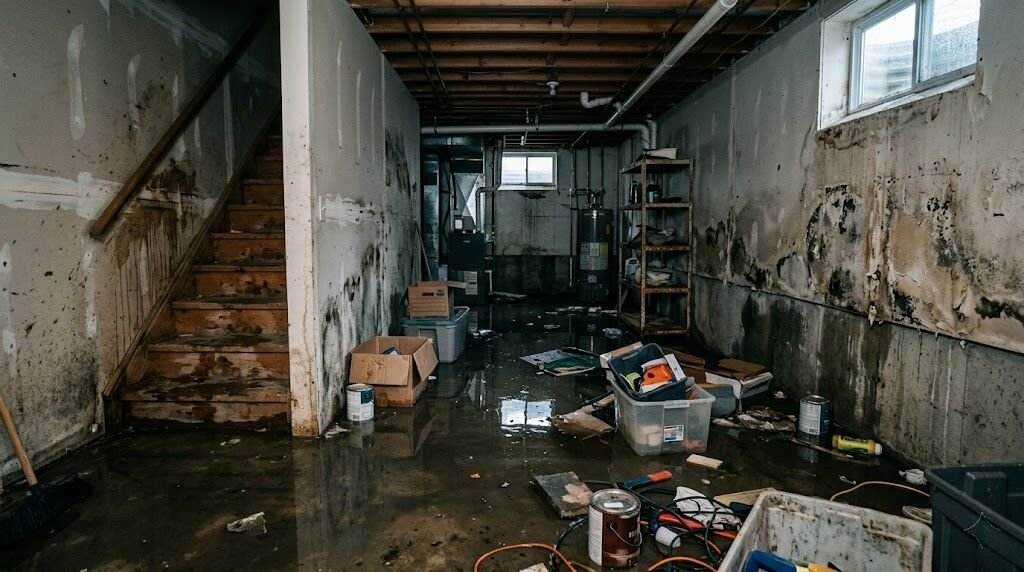
Water that came in from outside, or from a sewer backup, is Category 3 (black) water. It can carry sewage, bacteria and chemicals. Wear rubber boots and gloves, wash your hands often, and keep children and pets out of the affected rooms.
The first day
The goal on day one is to get water out and air moving before materials soak up more water. The EPA says that if wet materials are dried within 24 to 48 hours, in most cases mold will not grow.
- Extract standing water. Professional extractors remove far more water from carpet and pad than a shop vacuum. Every gallon pulled out is a gallon the dehumidifiers do not have to remove.
- Get a moisture map. Moisture meters and thermal imaging show how far water traveled into walls, under flooring and into the next room.
- Move contents. Lift furniture onto blocks or move it out. Put foil or plastic under legs to protect carpet. Take rugs out to dry.
- Start drying equipment. LGR dehumidifiers and air movers set up based on the readings, not just placed in the middle of the room.
- Keep the AC running at 72 degrees or lower if it is safe, to help pull humidity out of the air.
- Keep receipts for anything you buy or pay for. Temporary repairs to prevent more damage are part of your claim.
If you are unsure how serious your situation is, our emergency severity calculator gives you a severity level and a short list of next steps based on six questions.
The first week
Most homes take about 3 to 5 days to dry once professional equipment is running, depending on how much got wet and what materials are involved. Here is what that week usually looks like.
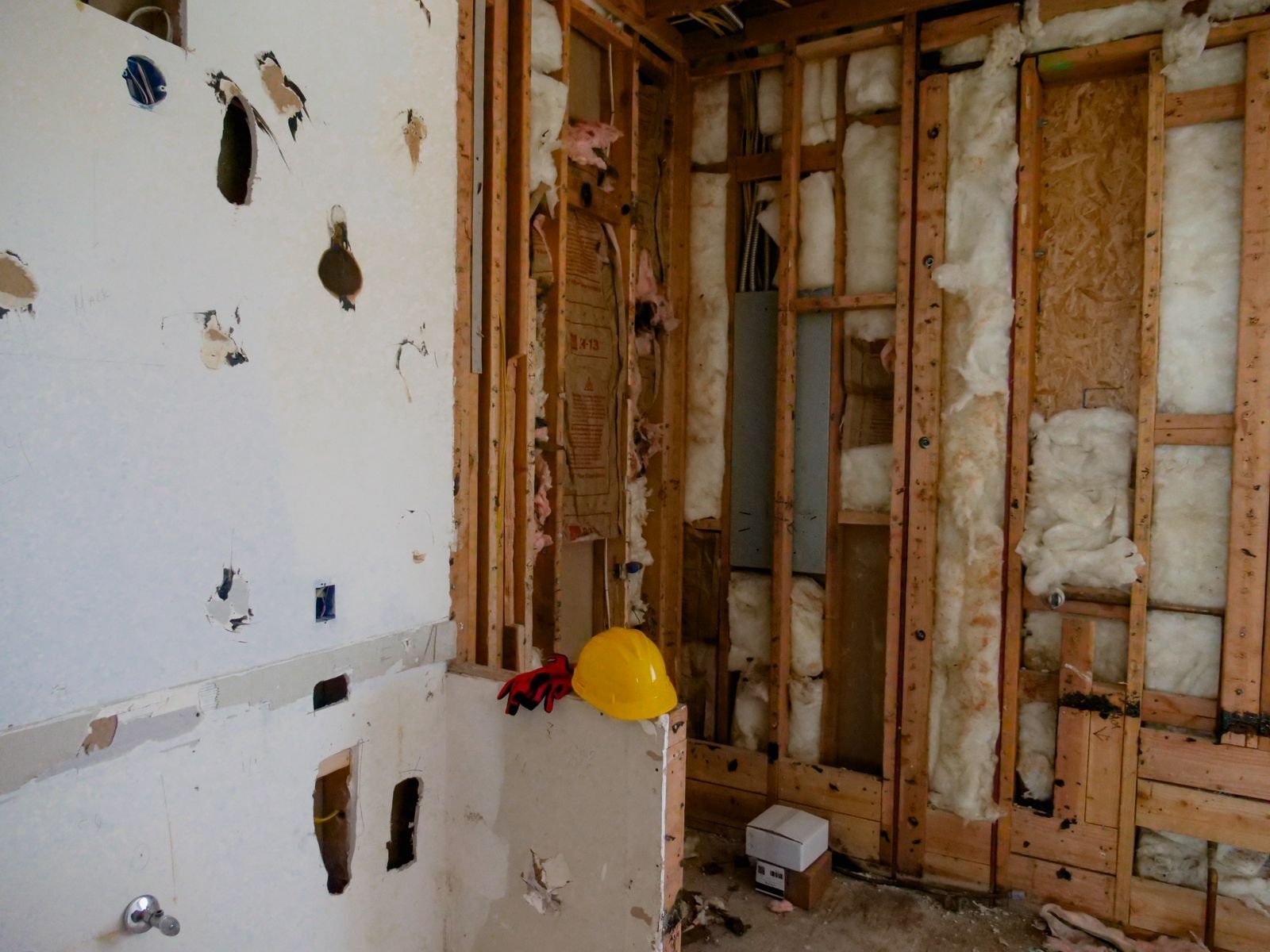
- Days 1 to 2Removal of materials that cannot be dried or were soaked by Category 3 water: carpet pad, wet insulation, and the lower part of drywall, often with a flood cut about 2 feet above the water line. Antimicrobial is applied to exposed framing.
- Days 2 to 4Daily moisture readings and equipment adjustments. Drying logs record readings for each room so your adjuster can see progress.
- Days 3 to 5Materials reach dry standard. Equipment comes out only when readings confirm it, not on a fixed schedule.
- End of weekAdjuster visit if it has not happened yet, repair estimate, and planning the rebuild: insulation, drywall, paint, baseboards and flooring.
What you can save and what usually goes
This depends on the water category and how long things stayed wet.
- Usually saved: solid wood furniture, hard plastics, metal, glass, dishes, tile and sealed concrete, and many hardwood floors if drying starts fast.
- Often saved with clean water: carpet (not pad) that was wet less than a day from a clean source, clothing and linens that can be washed hot.
- Usually removed: carpet pad, insulation and drywall that touched floodwater or sewage.
- Usually discarded: mattresses, upholstered furniture, stuffed toys and food that touched Category 3 water.
- Handle with care: documents and photos. Freezing wet papers can buy time until they can be dried properly.
Documenting your insurance claim
Which policy responds depends on the source. Homeowners policies usually cover sudden and accidental water, like a burst pipe or appliance failure. Rising floodwater from outside is excluded from homeowners policies and needs a flood policy through the NFIP or a private carrier. Sewer backup usually requires a specific endorsement. Our insurance claim coverage estimator walks through these cases and shows what your deductible means in dollars.
Whatever the policy, the Texas Department of Insurance advises taking pictures before doing any work, making temporary repairs right away, and waiting on permanent repairs until you have talked with your insurer. Keep a list of damaged items with approximate age and value. We provide photos, moisture readings and daily drying logs, and we can work directly with your insurance company and meet with the adjuster.
How we help after a flood
Our flood water restoration crews handle Category 3 cleanup: extraction, flood cuts, antimicrobial treatment and structural drying. For leaks from pipes and appliances, our residential water damage restoration team handles everything from extraction to rebuild. If your home is near one of the city’s creeks, read about flash flood risks in Denton County and check your flood zone before the next storm. For more about our service in the city, see water damage restoration in Denton.
Frequently asked questions
Should I wait for the insurance adjuster before cleaning up?
No. Document everything with photos and video, then start water removal and drying. Your policy generally expects you to prevent further damage, and waiting days for an adjuster can let mold start.
Can I stay in my house after it floods?
It depends. If the power is safe, the water was clean and only one area is affected, many families stay. With sewage, floodwater, no power, or several rooms affected, staying elsewhere during drying is often safer.
How long does it take to dry out a flooded house?
Most homes take about 3 to 5 days of drying once professional equipment is running. Larger losses, hardwood floors, and Category 3 water can take longer. Repairs come after drying.
Is a shop vacuum enough to clean up flood water?
For a small clean-water spill on hard floors, maybe. For carpet, walls or floodwater, no. A shop vac removes surface water but leaves the pad, subfloor and walls wet.
Do I need to remove drywall after a flood?
If floodwater or sewage touched it, yes, usually above the water line. Drywall wet from clean water can sometimes be dried in place if drying starts quickly and moisture readings confirm it.
Who pays for water removal after a flood?
If the cause is covered, your insurer usually pays for mitigation minus your deductible. Rising floodwater needs a flood policy. We can explain the paperwork and work directly with your insurance company.
If your home in Denton has flooded, call (940) 274-9880. A dispatcher answers 24/7, and we aim to have a crew on site in about 60 minutes in most of Denton County to start extraction and document the damage.