Storm runoff and rising water · Corinth, TX
Flood Water Restoration in Corinth, TX
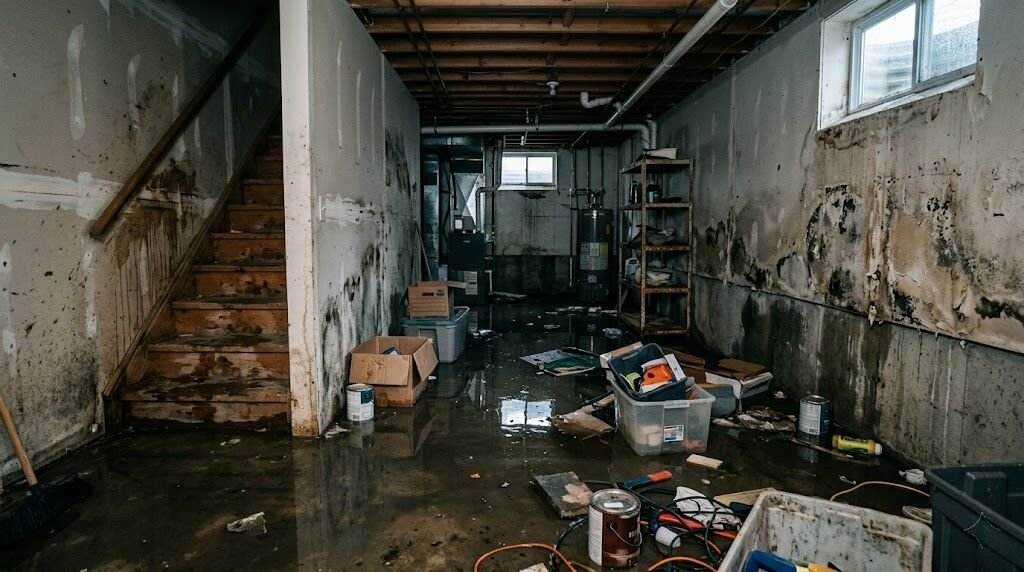
Floodwater carries soil, lawn chemicals, and sewage, so it is handled differently from a pipe leak. Our flood damage restoration in Corinth, TX removes contaminated materials, disinfects, and dries the structure to IICRC standards.
- Category 3 protocols
- Flood cuts and disinfection
- NFIP claim support
- 24/7 dispatch
Flood basics for Corinth
- Water type: Category 3 (black water)
- Drywall: usually cut 2 ft above the waterline
- Coverage: needs a flood policy, not homeowners
- Map check: FEMA Flood Map Service Center
- ZIP codes served: 76208, 76210
Always confirm coverage with your agent.
How flooding happens in a town without a shoreline
Corinth has very little open water inside its limits, about 0.058 square miles by Census count. Lewisville Lake borders the Lake Cities area to the south, but most flood calls here come from rain, not the reservoir.
A North Texas thunderstorm can drop several inches in a few hours. Yards graded toward the house, clogged gutters, and full street inlets send that water to the lowest point: often a garage, a sliding door, or a slab edge. Clay soil soaks up little of it once saturated.
That surface water picks up whatever it crosses. Under IICRC S500, water that enters from outside is treated as Category 3. Flood damage restoration in Corinth means removing what it touched, not just drying it.
You can look up your address on the FEMA Flood Map Service Center. The City of Corinth’s engineering division also publishes local floodplain information.
Safety first
After water comes in: a flood-day checklist
Do not walk through water that may be touching outlets or cords. Shut off power at the panel only if you can reach it from a dry area. Keep kids and pets away from floodwater.
- Photograph water levels. Show the waterline on walls, furniture, and appliances.
- Wear gloves and boots. Treat everything floodwater touched as contaminated.
- Do not run the HVAC if ducts or the air handler got wet.
- Call your flood carrier. NFIP and private flood claims have their own process.
- Toss food that floodwater reached, even in sealed-looking containers.
Our process
Flood cleanup, step by step
Pump and extract
Standing water and mud come out first.
Remove
Carpet, pad, insulation, and drywall below the flood cut are bagged and hauled out.
Clean
Hard surfaces and framing are scrubbed and treated with antimicrobial.
Dry
LGR dehumidifiers and air movers run until framing and slab reach dry readings.
Rebuild
New insulation, drywall, trim, paint, and flooring.
Insurance
Which policy pays for what
| Source of water | Policy that usually responds |
|---|---|
| Rain runoff or rising water entering at ground level | Flood insurance (NFIP or private). Standard homeowners policies exclude it. |
| Wind or hail opens the roof and rain gets in | Homeowners policy, since the storm created the opening |
| Sewer or drain backup | Homeowners only with a water backup endorsement |
| Burst pipe or appliance failure | Homeowners, as sudden and accidental water |
Keep a copy of your flood policy declarations page somewhere you can reach it from your phone. Flood adjusters will ask for the waterline height, a list of damaged items, and photos taken before anything was thrown out.
NFIP policies usually have a 30-day waiting period before they take effect, so buy before storm season. Cost of cleanup depends on the square footage, the waterline height, and how long water sat. Our insurance claim coverage estimator helps you sort out what may be covered.
Why Corinth calls us after a flood
Floods often hit many homes in the Lake Cities on the same night. Calling early gets you on the schedule before crews are stretched.
- Nearby crews. We work out of Denton, about 6 miles away, and aim to arrive in about 60 minutes.
- Proper protocols. Category 3 cleanup per IICRC S500, with protective gear and antimicrobial.
- Claim help. Waterline photos, moisture maps, and itemized estimates for flood adjusters.
More reading: flash flood risks in Denton County.
Lowering flood risk around a Corinth slab home
You cannot control the rain, but you can steer where it goes. These steps help most homes in the area:
- Check yard grading. Soil should slope away from the slab for several feet.
- Clean gutters before spring storms. Overflowing gutters dump water right at the foundation.
- Extend downspouts. Carry roof water well away from the house.
- Keep storm inlets clear. Leaves and debris on the street back water up into yards.
- Store valuables up high in garages that have taken water before.
- Review your policy and consider flood coverage, even outside a mapped zone.
Corinth services
Beyond flood cleanup in Corinth





See our main flood water restoration page or the Corinth restoration hub. Flood cleanup is also available in Lake Dallas, Little Elm, and Denton.
FAQ
Flood damage questions from Corinth residents
My home is not in a flood zone. Can it still flood?
Yes. Many flood claims nationwide come from outside high-risk zones. Heavy rain and poor drainage can put water in any low spot, including garages and slab homes.
Why can’t you just dry the drywall after a flood?
Floodwater is contaminated. Drywall and insulation absorb it and cannot be reliably cleaned, so they are cut out above the waterline and replaced.
Is water that came in under the back door a flood?
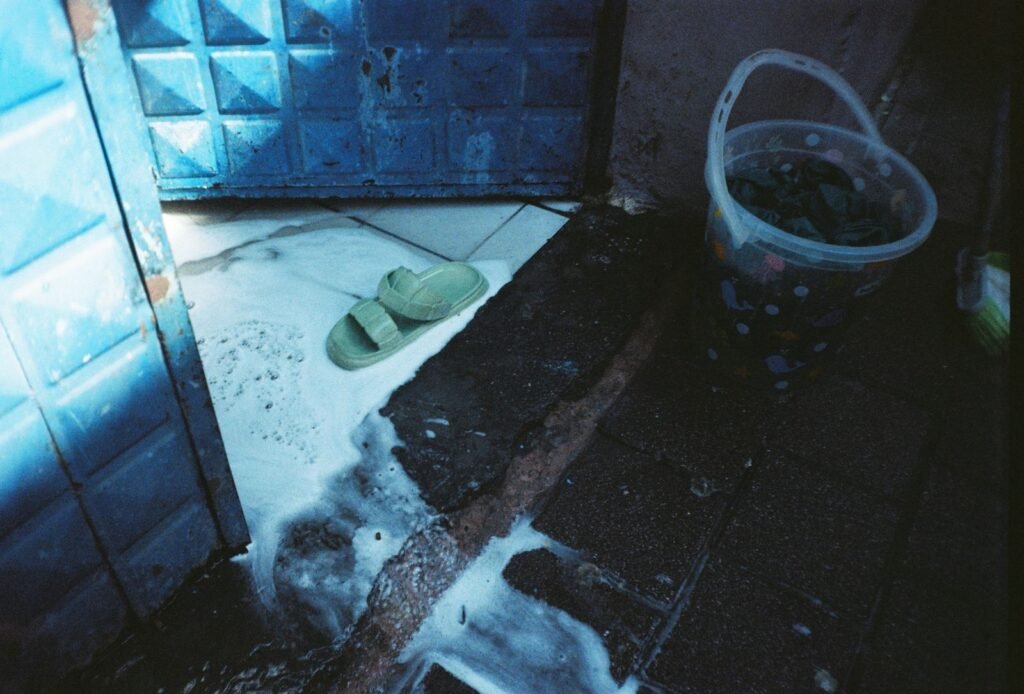
For insurance, usually yes. Surface water entering at ground level is typically treated as flood, not a homeowners claim. Check with your agent.
How long does flood cleanup take in a house?
Removal and cleaning often take 1 to 2 days. Drying usually runs 3 to 5 more days. Rebuild depends on the materials and claim approval.
Can wood furniture and cabinets be saved?
Solid wood pieces can often be cleaned and dried. Particleboard cabinets and upholstered items that soaked in floodwater usually cannot.