Creek and runoff flooding · Coppell, Texas
Flood Water Restoration in Coppell, TX
Outside water is dirty water. Our flood water restoration crews in Coppell, TX treat it as Category 3: we pump and extract it, cut out soaked materials, disinfect, and dry the structure to a documented standard.
- Category 3 cleanup protocols
- Flood cuts and disinfection
- Moisture logs for NFIP claims
- Rebuild after drying
Coppell flood basics
- Mapped waterways: Denton Creek, Grapevine Creek, Cottonwood Creek, Elm Fork
- Upstream control: Grapevine Lake dam releases into Denton Creek
- Flood questions: city floodplain manager, 972-304-3679
- Our arrival: typically 60 to 90 minutes
Call (940) 274-9880 day or night.
Flood restoration in Coppell, Texas: what makes it different
A burst pipe leaks clean water. Floodwater from a creek or street carries soil, lawn chemicals, and sewage. That changes the whole job. Porous materials it touched usually have to come out, and every surface gets cleaned and disinfected before drying starts.
Coppell sits where several creeks meet the Elm Fork of the Trinity River. The city’s own floodplain page names four of them. Most homes are well above these channels, but low lots, streets that collect runoff, and properties along the creek greenbelts can take on water when storms stall overhead.
Where water comes from
Coppell’s creeks and what they mean for your home
● Denton Creek
North Coppell · Dallas and Denton County
Denton Creek is dammed upstream to form Grapevine Lake, then crosses the north part of Coppell. When the lake is full, dam releases raise the creek for days. In June 2015, police went door to door warning residents of homes near the swollen creek.
● Elm Fork of the Trinity
East city line · Dallas County
The Elm Fork forms Coppell’s eastern boundary with Carrollton. It collects water from Denton Creek and the lakes to the north, so it rises after big regional rains.
● Grapevine Creek
Along the Cotton Belt line · Dallas County
Grapevine Creek runs near the old Cotton Belt railroad line. Fast rain on paved areas can push it out of its banks quickly.
● Cottonwood Creek and small tributaries
Neighborhood drainage
Smaller channels and neighborhood ponds handle local runoff. When they back up, water often reaches garages and back patios first.
Our work
How we restore a flooded Coppell home
Safety first
Power off to wet areas, gas checked, and protective gear on. Floodwater is treated as contaminated.
Remove the water
Pumps and extractors pull standing water and mud out of rooms and garages.
Flood cut
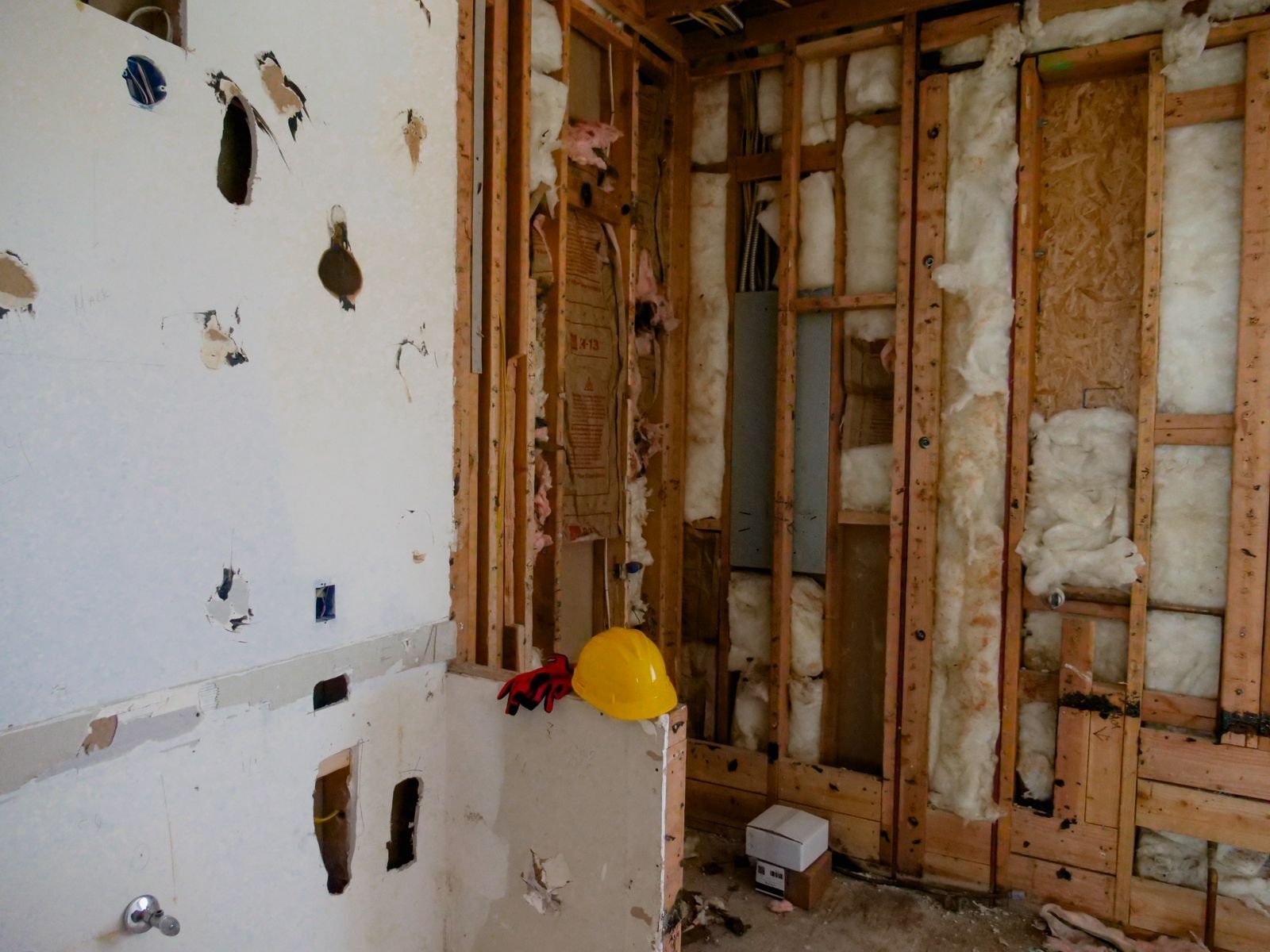
Drywall is cut above the water line, often about 2 feet up. Wet insulation, carpet, and pad go out.
Clean and disinfect
Studs, slab, and remaining surfaces are cleaned and treated with an antimicrobial.
Dry and rebuild
Dehumidifiers and air movers run with daily readings. Once dry, we rebuild.
Water types
Why the source of the water matters
| Source | IICRC category | What can usually be saved |
|---|---|---|
| Supply line or pipe break, caught fast | Category 1, clean | Many carpets, pads, and walls can be dried in place |
| Washer or dishwasher overflow | Category 2, gray | Walls often dried; pad usually replaced |
| Creek flooding, street runoff, sewage | Category 3, black | Porous materials removed; hard surfaces cleaned and disinfected |
Coverage
Flood insurance and Coppell flood claims
Standard homeowners policies exclude rising floodwater. Coverage comes from an NFIP policy or a private flood policy, and NFIP policies usually have a 30-day waiting period before they start. That is why buying one after a storm is forecast rarely helps.
- Check your map. Look up your address on the FEMA flood map, or ask the city’s floodplain manager.
- Document the water line. Photos of the high-water mark on walls help adjusters.
- Keep removed items. Adjusters may want to see damaged materials before disposal.
Our insurance claim coverage estimator can help sort out what may apply.
Why choose us as your Coppell flood restoration company
We are water damage specialists first. Our crews carry truck-mount and portable extractors, LGR dehumidifiers, and HEPA air scrubbers, and they follow IICRC S500 for contaminated water. You get daily readings, photos, and a written scope, which matter a lot on flood claims.
We are honest about distance: from Denton, we typically reach Coppell in 60 to 90 minutes. During regional flooding, when many homes call at once, it can take longer, and the dispatcher will tell you. For the first steps at home, read what to do when your home floods.
Also in Coppell
Related restoration services in Coppell


Read about our flood water restoration service or head back to the Coppell water damage page. We also restore flooded homes in Carrollton, Lewisville, and Flower Mound.
FAQ
Coppell flood cleanup questions
Can floodwater-soaked carpet be saved?
Usually not. Carpet and pad soaked by creek or street water are Category 3 and are normally removed. Hard floors and tile can often be cleaned and kept.
Does Grapevine Lake affect flooding in Coppell?
It can. Denton Creek flows out of Grapevine Lake, so when the lake is high, dam releases keep the creek up. That was the concern in north Coppell in June 2015.
How far up the wall do you cut after a flood?
We cut above the highest wet reading, which is often about 2 feet above the water line. Moisture meters decide the height, not a fixed rule.
How long does flood cleanup take?
Extraction and tear-out usually happen on day 1. Drying takes about 3 to 5 days. Rebuild depends on how much material was removed.
Do I need a permit to repair after a flood in Coppell?
Cleanup and drying do not. Some rebuild work, like remodeling or foundation repair, does. Work in a mapped floodplain may also need approval from the city’s Engineering Department.
Should I carry flood insurance if my Coppell home is outside a mapped floodplain?
It is worth pricing. Many flood claims nationwide come from outside high-risk zones, and policies outside mapped areas often cost less. Remember the usual 30-day wait before an NFIP policy starts.