Offices, retail, warehouses, multifamily · Denton County
Commercial Water Damage Restoration in Denton, TX
Commercial water damage restoration in Denton TX means stopping the water, drying the building to IICRC S500 standards, and keeping as much of your business open as possible while we work. We phase the job around your hours, document every step for your insurer, and handle repairs when drying is done.
- 24/7 live dispatch
- After-hours and weekend crews
- Phased drying to limit downtime
- Claim-ready documentation
For property and facility managers
- Response: we aim for about 60 minutes in most of Denton County
- Standard: IICRC S500 structural drying
- Records: daily moisture logs, photos, equipment counts
- Scope: mitigation through rebuild, one contractor
Call (940) 274-9880 from the site. A live dispatcher answers day or night.
What commercial water damage restoration actually covers
A commercial water loss is rarely just a wet floor. Water runs along slab joints, wicks up drywall behind shelving, soaks ceiling tiles over the next suite, and gets into server rooms and electrical panels. The job is to find all of it, remove it, and dry the structure before mold or permanent damage sets in.
Our commercial water damage restoration services cover emergency water extraction, moisture mapping, controlled demolition of materials that cannot be saved, structural drying with LGR dehumidifiers and air movers, antimicrobial treatment, and the rebuild. For businesses in Denton, Lewisville, Carrollton, Flower Mound, and the rest of Denton County, one team handles the whole loss.
The difference from a house is scale and stakes. Every day a store, clinic, office, or warehouse stays closed costs money. So the plan is built around two goals at once: dry the building right, and get your people back to work fast.
Right now
The first hour after water hits your business
- Stop the source. Know where the main water shutoff and fire sprinkler riser are. For a sprinkler discharge, call your fire protection contractor and the fire department as your system requires.
- Cut power to wet areas. If water is near panels, outlets, or floor boxes, shut off the breaker only if you can reach it from a dry spot.
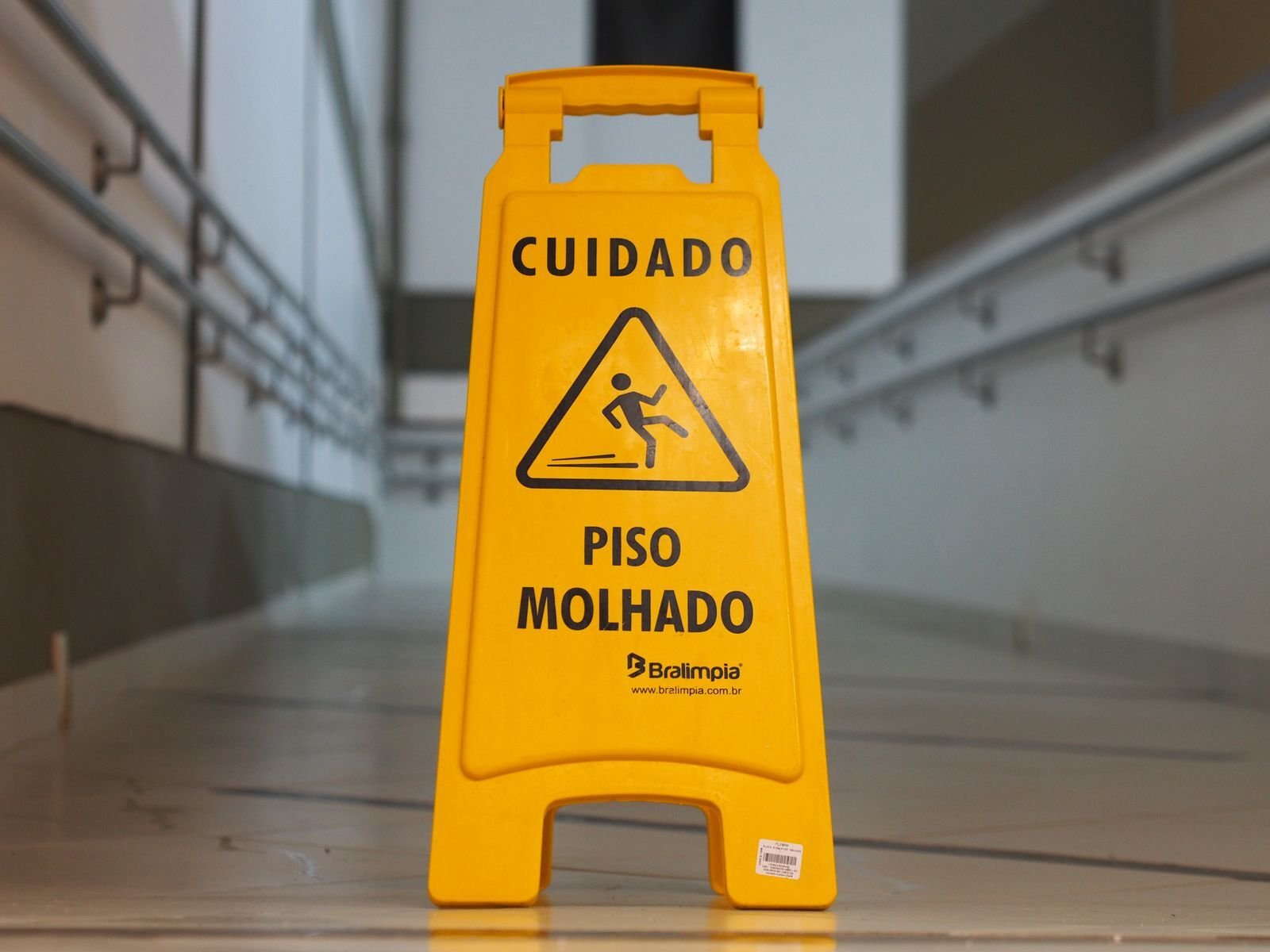
- Move people out of wet zones. Wet tile and sealed concrete are very slick. Tape off the area.
- Lift what you can. Get records, laptops, inventory, and cardboard off the floor. Cardboard boxes wick water fast.
- Photograph everything. Take wide shots and close-ups before anything moves. Note the time.
- Call your carrier and us. Report the loss, then call (940) 274-9880 so extraction starts while you handle the phone calls.
Not every building dries the same
Commercial property types and where water hides
We plan drying around how each type of building is put together and how it is used.
| Property type | Common sources | Where water hides | Our focus |
|---|---|---|---|
| Office and medical suites | Supply lines, restroom leaks, sprinkler heads, roof drains | Ceiling tiles, carpet tile glue, wall bottoms behind casework | Night work, sealing off clean suites, protecting records and IT |
| Retail and restaurants | Walk-in cooler drains, ice machines, grease trap backups, roof leaks | Under fixtures, quarry tile grout, kitchen wall cavities | Category 2 or 3 cleaning, health-sensitive areas, fast reopening |
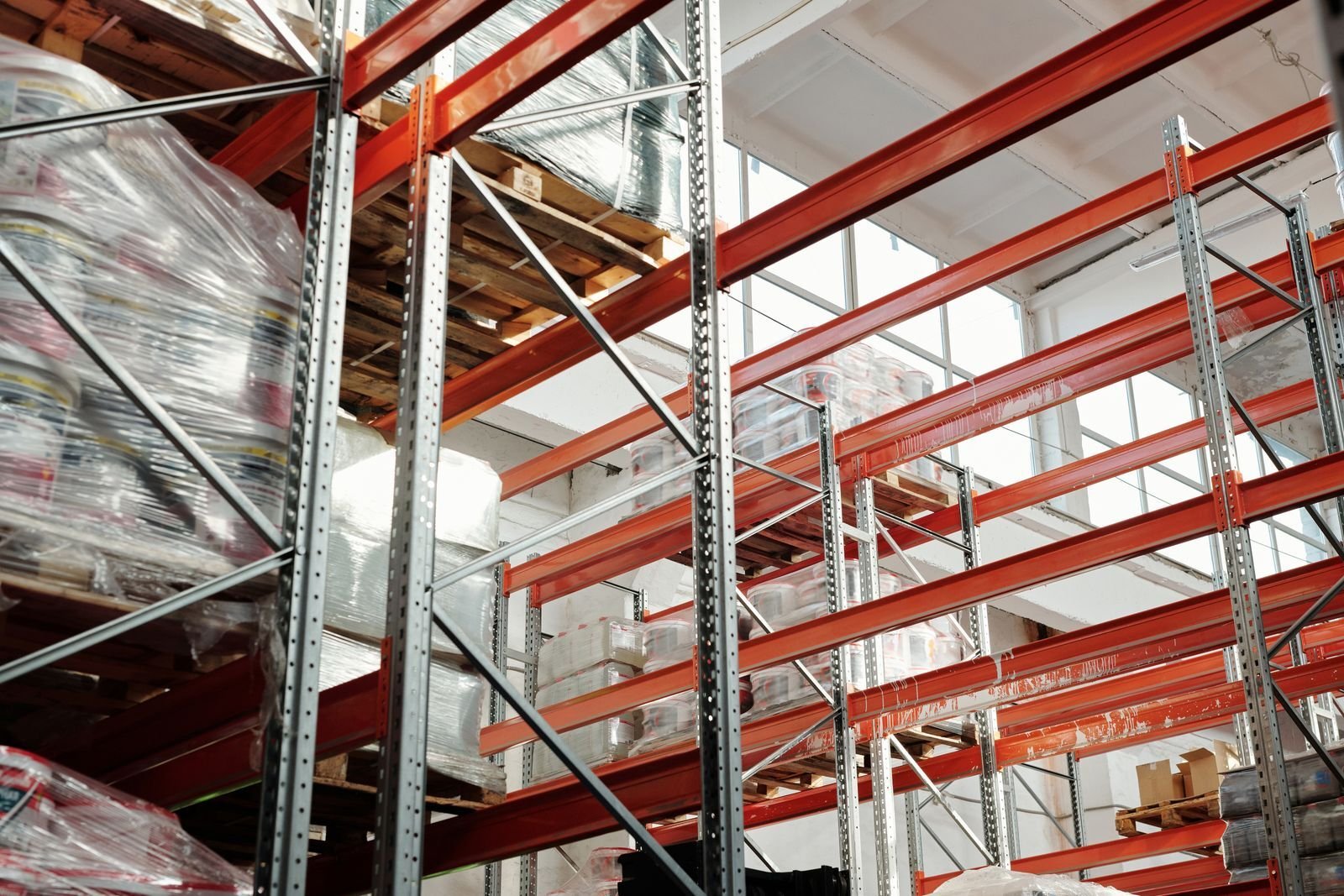
| Warehouses and light industrial | Roof leaks, fire sprinklers, dock door rain | Racked inventory, slab joints, insulated metal panels | Inventory triage, large-volume dehumidification |
| Apartments and condos | Water heaters, washers, toilets, upper-unit overflows | Shared walls, floor-ceiling assemblies, units below | Tracking each unit, tenant access, owner and HOA reporting |
| Churches, schools, and gyms | Roof drains, HVAC condensate, frozen lines | Wood floors, stages, locker rooms, gym floors | Scheduling around events, hardwood and specialty drying |
In commercial buildings, water moves in ways owners do not see. It flows under demountable walls, follows conduit and cable trays, and pools on the slab under carpet tile where it cannot evaporate. We use thermal imaging cameras and pin and pinless moisture meters to map every wet area, including the suite next door and the floor below, before we set equipment.
Our process
Our commercial water damage restoration process
Assess and make safe
We confirm the source is stopped, check electrical hazards, identify the water category (clean, gray, or black), and walk the space with you to agree on priorities.
Extract fast
Truck-mount and portable extractors pull standing water from carpet, carpet tile, and slab. Extraction removes far more water than evaporation ever will, so it comes first.
Map and remove
We record moisture readings on a floor plan. Wet ceiling tile, saturated insulation, and drywall that cannot dry in place are cut out in a controlled way, often 2 feet up for a flood cut.
Dry and monitor
LGR dehumidifiers, air movers, and sometimes desiccant units run until materials reach dry standard. We take readings every day and adjust equipment as areas dry.
Clean and rebuild
Antimicrobial treatment where needed, then drywall, paint, flooring, and ceiling grid. We can phase repairs so finished areas reopen first.
For large spaces, we size equipment the way IICRC S500 guidance describes: air movers spaced roughly every 10 to 16 linear feet of wet wall, and dehumidifier capacity based on the cubic footage of the area and the class of the loss. That math is why a 5,000 square foot retail floor can need a trailer of gear, not a few fans.
Business continuity
How we keep your business running during drying
Phased work zones
We split the building into zones. Dry areas get cleaned and released while wet areas stay under containment behind plastic walls.
After-hours scheduling
Loud demolition and extraction can happen at night or on weekends. Quieter drying equipment runs during business hours.
Protected paths
We set up clean walkways, cord covers, and signage so staff and customers can move safely past work areas.
Power planning
Drying gear draws real power. We check your circuits and plan equipment loads so we do not trip breakers that run your registers or servers.
Inventory and records
Wet stock, files, and equipment are sorted, photographed, and moved to a dry area or packed out for cleaning and storage.
One daily update
You get a short daily report: what is dry, what is still wet, what moves next, and when each area should reopen.
Want to put a number on what closure costs you? Our commercial downtime loss calculator estimates lost revenue per day, which helps when you are choosing between faster, larger drying setups and a slower schedule.
Multi-tenant buildings, apartments, and shared walls
When water starts in one unit, it rarely stays there. A washer overflow on a second floor can wet the ceiling below, the shared wall next door, and the corridor. Each affected space may have a different tenant, a different policy, and a different person who can give us access.
We track multi-tenant losses unit by unit. Each space gets its own moisture map, photo set, and drying log, so the building owner, property manager, HOA, and each tenant’s insurer can see exactly what happened in their space. That separation matters when several carriers split one loss.
- Access plan. We coordinate entry times with managers and tenants and log who let us in.
- Source unit first. We confirm where the water started, since that often decides which policy responds first.
- Clear boundaries. Structure usually falls to the owner or association policy. Tenant improvements and contents may fall to the tenant.
Documentation your adjuster and your records will need
Commercial claims live or die on documentation. Large losses often bring a building consultant or independent adjuster, and they will ask for proof that each piece of equipment and each hour of labor was needed. We build that record from the first visit.
- Photo log. Time-stamped photos of every room before, during, and after work.
- Moisture maps. Floor plans with readings at each check point, updated daily until dry.
- Psychrometric readings. Temperature, relative humidity, and grains per pound inside and outside the drying zone, which show the equipment is working.
- Equipment log. What ran, where, and for how many days.
- Itemized estimate. Line items in the format adjusters use, so the scope can be checked line by line.
- Contents inventory. Damaged stock and equipment listed with photos for the business personal property part of the claim.
After-hours and emergency work
Water does not wait for business hours, and neither does our dispatch line. Sprinkler discharges, roof drain failures during storms, and frozen lines tend to happen at night or on weekends. We can start extraction when the call comes in and have a written plan ready before your staff arrives the next morning.
24/7 Emergency Line
Water in your building right now?
Call (940) 274-9880. A live dispatcher answers 24/7 and can send a commercial crew tonight.
Denton County
What makes commercial losses in Denton County different
Winter Storm Uri in February 2021 showed how exposed commercial buildings are. The Denton Record-Chronicle reported burst pipes across University of North Texas and Texas Woman’s University buildings and damage at about a dozen Denton ISD facilities, with repair estimates in the millions. At TWU, the paper reported failed sprinkler heads in storage closets, the same kind of unheated weak spot we see in strip centers and offices.
Spring brings the other big risk. Hail and wind crack roof membranes and skylights, and heavy rain overwhelms roof drains on flat commercial roofs. Water then comes through ceiling tiles over a wide area, which is a Class 3 loss in IICRC terms. Business corridors along I-35E, I-35W, US 380, and Loop 288 all see these storms.
Much of Denton County also sits on black clay soils that swell and shrink with moisture. Slab movement can stress under-slab plumbing in older buildings, and a slow leak under a slab can wet flooring across a large footprint before anyone notices.
What drives the cost of commercial water damage restoration
We do not quote flat prices before we see the building, and you should be wary of anyone who does. Commercial cost depends on these factors:
| Factor | Lower cost | Higher cost |
|---|---|---|
| Water category | Category 1 clean supply water | Category 3 sewage or contaminated floodwater needing removal of porous materials |
| Response time | Extraction within hours | Water left for days, wicking higher and feeding mold |
| Area and class | One suite, Class 1 or 2 | Multiple floors, wet ceilings, Class 3 or 4 materials |
| Materials | Carpet tile and painted drywall | Hardwood, gym floors, plaster, specialty finishes |
| Schedule | Normal hours, empty building | Night and weekend work around an operating business |
| Contents | Little on the floor | Racked inventory, files, and equipment to move or pack out |
For a rough starting range, try our water damage cost calculator. For an actual number, we give free on-site estimates.
Commercial insurance and business interruption
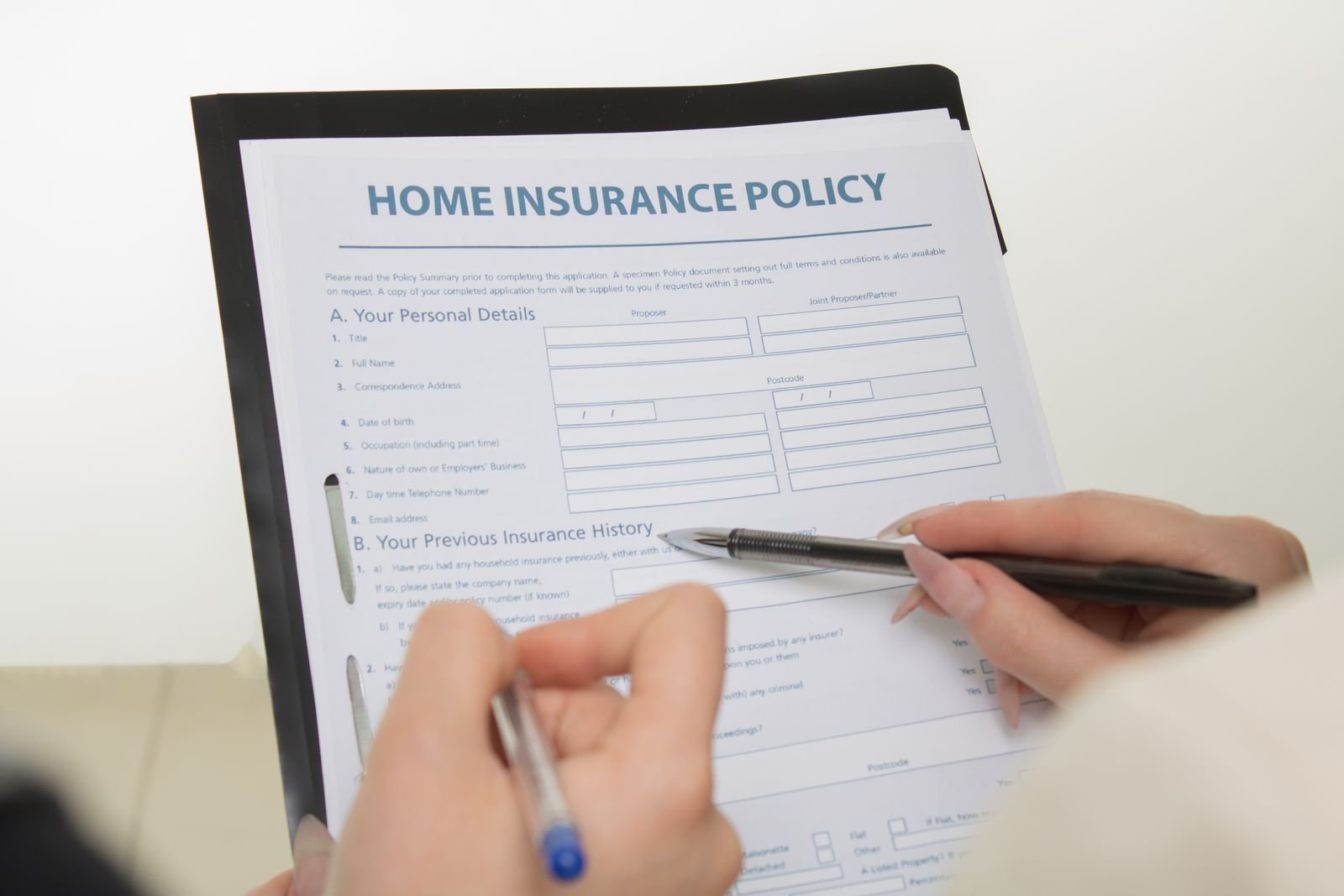
Commercial property policies usually cover sudden and accidental water damage, like a burst pipe or sprinkler discharge, subject to your deductible and terms. Rising floodwater is usually excluded and needs flood coverage. Long-term leaks and some backups may be excluded unless you have an endorsement. Coverage always depends on your policy.
Business interruption coverage, if your policy has it, may pay lost income and some continuing expenses while you cannot operate. It often has a waiting period and needs proof of the income you lost. Our daily logs and reopening dates help show how long each area was out of service. Note that NFIP flood policies do not cover business interruption.
We can work directly with your insurance company, meet the adjuster on site, and provide the documentation described above. The insurance claim coverage estimator can help you think through deductibles and limits before the adjuster visit.
Service area
Commercial water damage help in every city we serve
We aim to reach most Denton County businesses in about 60 minutes. Carrollton and Coppell typically take a little longer.
- Denton Commercial Water Damage
- Corinth Commercial Water Damage
- Lake Dallas Commercial Water Damage
- Argyle Commercial Water Damage
- Krum Commercial Water Damage
- Ponder Commercial Water Damage
- Little Elm Commercial Water Damage
- Lewisville Commercial Water Damage
- Flower Mound Commercial Water Damage
- Carrollton Commercial Water Damage
- Coppell Commercial Water Damage
- Northlake Commercial Water Damage
- Justin Commercial Water Damage
More reading for owners and managers: how Denton businesses handle commercial water damage and why North Texas storms cause severe water damage.
Related services
Other services commercial clients use
FAQ
Commercial water damage questions
Do we have to close the business during commercial water damage restoration?
Often not completely. We split the building into zones, contain wet areas, and schedule loud work after hours. Areas with Category 3 water or heavy demolition may need to close until they are cleaned and dry.
How long does it take to dry a commercial building?
Many Class 1 and 2 losses dry in about 3 to 5 days once equipment is set. Wet ceilings, concrete, hardwood, or gym floors can take longer. Rebuild time depends on the materials and any permits needed.
Can you work nights and weekends?
Yes. Our dispatch line runs 24/7, and we regularly schedule extraction and demolition outside business hours to keep your doors open.
Who pays when water from one tenant damages another tenant’s space?
It depends on the leases and policies. The building owner’s policy often covers the structure, and each tenant’s policy may cover their contents and improvements. We document each unit separately so every carrier gets the records it needs.
What is the difference between commercial water mitigation and restoration?
Mitigation is the emergency phase: extraction, removal of wet materials, and drying to stop further damage. Restoration is the repair phase that puts the space back. We handle both, and your insurer may track them as separate parts of the claim.
Will our property insurance cover business interruption from water damage?
Only if your policy includes business income coverage and the water damage itself is covered. Check your waiting period and limits. We supply dates and logs that help show how long each area could not be used.
Do you handle sprinkler system discharges?
Yes. We extract and dry after sprinkler discharges. Your fire protection contractor needs to repair and restore the system, and your fire marshal or monitoring company may have steps you must follow.