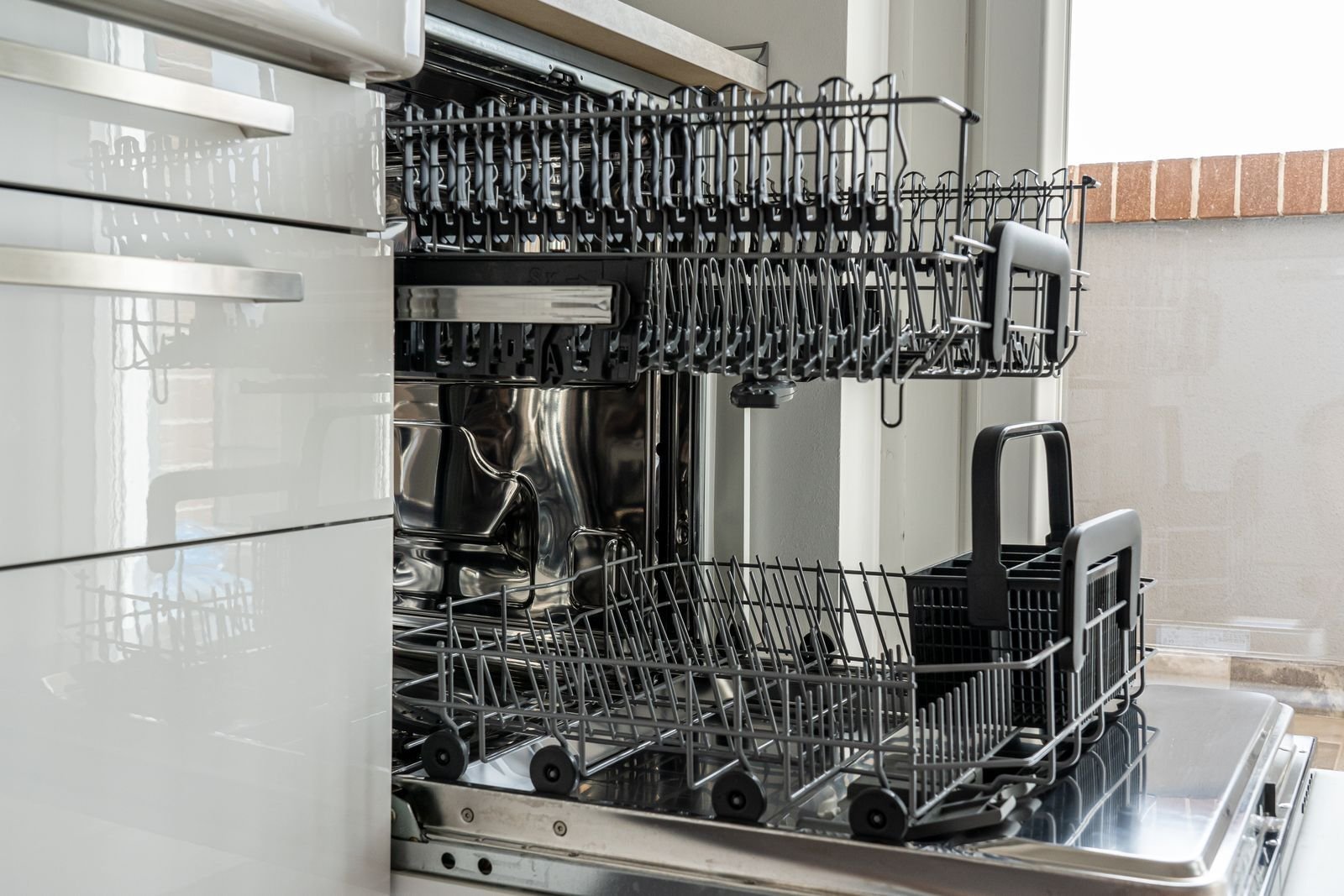
Water heaters, washers, dishwashers, fridges, AC · Denton County
Appliance Leak Restoration in Denton, TX
Appliance leak restoration in Denton TX means finding where the water from a water heater, washer, dishwasher, refrigerator, or AC unit actually went, then drying it before cabinets swell and mold starts. Most appliance leaks hide under floors, cabinets, and ceilings, so the visible puddle is only the start.
- 24/7 response
- Under-cabinet and attic drying
- Thermal imaging to find hidden water
- Help with the claim
Why appliance leaks cause more damage than they seem to
Appliances sit on floors, inside cabinets, and in attics and closets, which are the places you look least. A dishwasher can drip into the subfloor for weeks. A washer hose can burst and run until someone gets home. A water heater in the attic can fail and let its tank and incoming supply drain straight into the ceiling below.
Two things make these losses tricky. First, water spreads under flooring and behind cabinets where towels cannot reach. Second, many appliance leaks start slow, and insurance treats slow leaks differently from sudden ones. Getting the water out fast and documenting the cause both matter.
Our appliance leak restoration covers extraction, drying under and behind cabinets, subfloor and ceiling drying, and repairs to cabinets, drywall, and flooring. We cover every city in our Denton County service area.
Appliance by appliance
Where appliance water goes and what to do first
| Appliance | Common cause | Where water hides | First step | Usual category |
|---|---|---|---|---|
| Water heater | Tank rusts through, relief valve discharge, failed drain pan | Garage walls, closet floors, attic insulation and ceilings below | Close the cold supply valve; turn off gas or power | 1 |
| Washing machine | Burst supply hose, drain hose pops out, overflow | Under laundry room flooring, next room’s wall bottoms | Close the valves behind the washer | 2 (drain water) or 1 (supply) |
| Dishwasher | Door seal, supply line, drain hose, pump | Subfloor under the unit, cabinet bases, toe-kick cavity | Close the valve under the sink | 2 |
| Refrigerator ice maker | Plastic supply line cracks, loose fitting | Under the fridge, under hardwood or laminate, into the room below | Close the line valve or the main | 1 |
| AC air handler | Clogged condensate line, rusted or overflowing drain pan | Attic insulation, hallway ceilings, closet walls | Turn the system off at the thermostat | 1 or 2 |
| Toilet and sink lines | Braided supply line or fill valve fails | Vanity cabinets, bathroom subfloor, ceiling below | Close the stop valve behind the fixture | 1 (supply) or 2 or 3 (bowl) |
Right now
What to do when an appliance is leaking
- Stop the water. Use the valve at the appliance. If it will not close or you cannot find it, close the main.
- Cut the power. Unplug the appliance only if the plug and outlet are dry. Otherwise use the breaker.
- For a water heater, turn the gas valve to off or the breaker off before the tank empties, so the element or burner does not run dry.
- Pull out what you can. Towels, rugs, and items stored under sinks. Leave the appliance in place until we look; dragging it can tear wet flooring.
- Photograph the appliance and the cause. A photo of the split hose or rusted tank helps your claim.
- Keep the failed part. Your insurer or the manufacturer may want it.
Our process
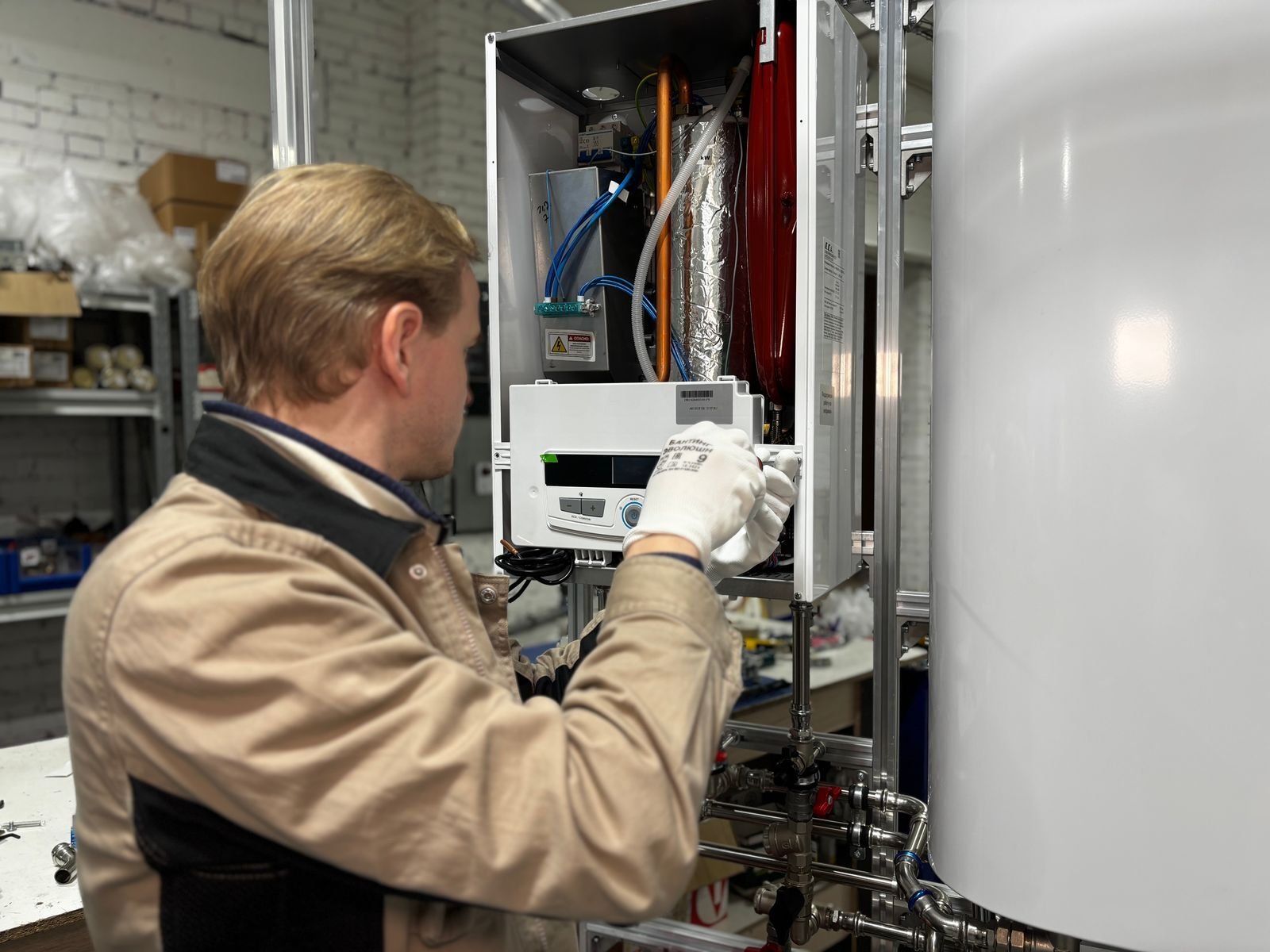
How we restore appliance leak water damage
Find the edges
Thermal imaging and moisture meters show where water traveled under flooring, into cabinet bases, and through ceilings. We mark and record every reading.
Extract and open
We extract standing water, pull toe-kick panels, and drill small holes in cabinet bases or remove them if needed so air can reach the wet subfloor.
Targeted drying
Air movers, LGR dehumidifiers, and drying mats or injection systems push dry air under cabinets, into wall cavities, and through flooring.
Repair
Once dry, we replace swollen cabinet boxes, toe-kicks, drywall, and flooring. Your appliance installer or plumber handles the unit itself.
Kitchens are a common fight between saving and replacing. Solid wood cabinets and many countertops can stay in place if we dry fast. Particleboard cabinet boxes and bottoms swell and lose strength when wet, and often need replacement even after drying.
Attic water heaters and AC units in North Texas homes
Many North Texas homes place the water heater, the AC air handler, or both in the attic or a hall closet above finished rooms. It saves floor space, but it means a failure drains down through insulation and drywall into the living space.
Both units are supposed to sit in a drain pan with a line that carries water outside or to a drain. When the pan rusts through or the line clogs with algae and debris, which is common after a long cooling season, water spills over. In Denton, average summer highs sit in the 90s from June through August, so AC systems run for months and pull a lot of water out of the air. That water has to go somewhere. The first sign is often a stain or sag in a hallway ceiling.
Drying an attic leak means removing wet insulation, drying the ceiling drywall from both sides, and checking the framing. We also check the wall cavities below, since water follows the top plates down.
Water heater warning signs
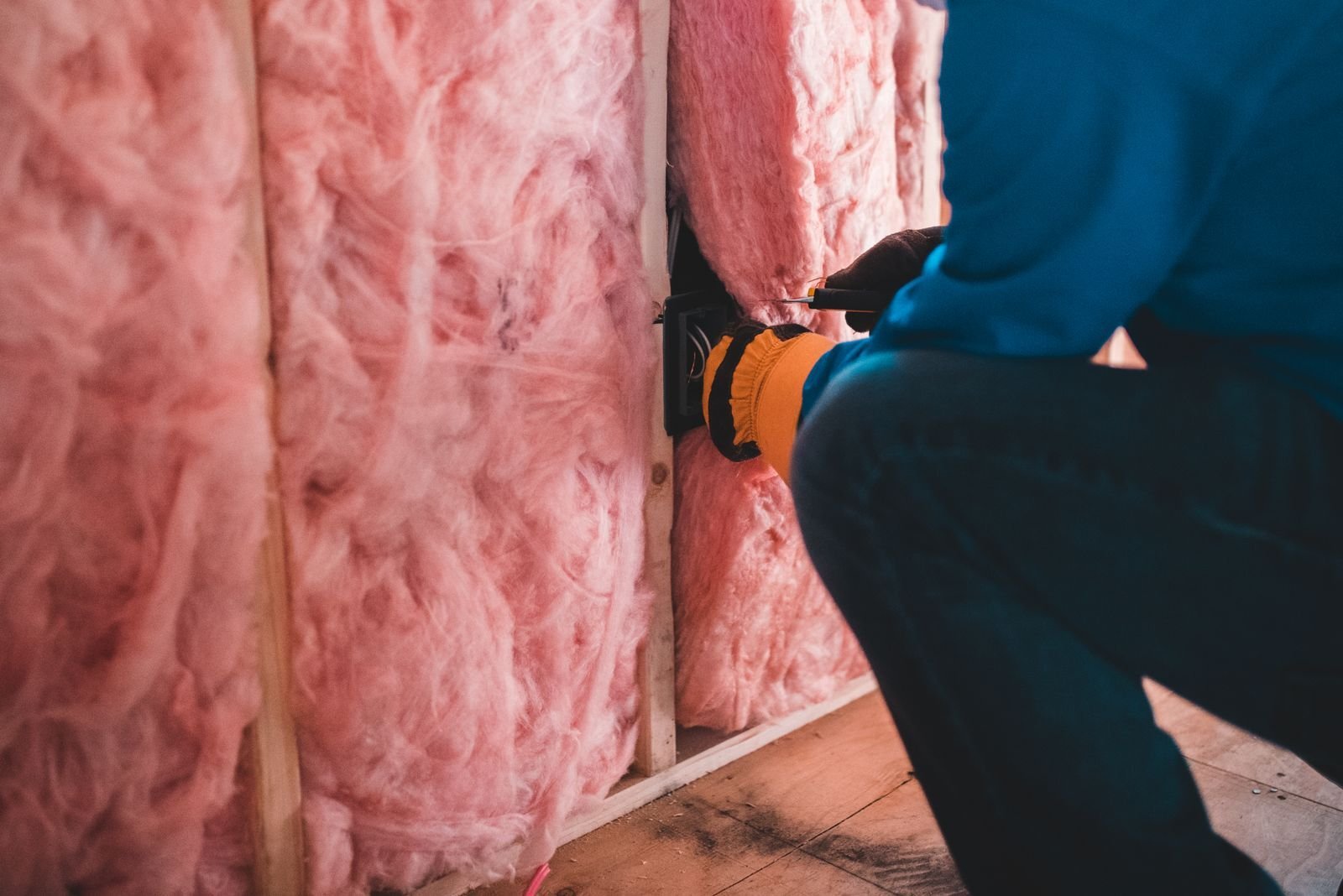
Tank water heaters do not last forever, and many fail by leaking slowly before they fail all at once. Watch for rust-colored hot water, rumbling or popping sounds from sediment, moisture or rust at the base of the tank, and a relief valve that drips. If your heater is in the attic or a closet above finished space, have a plumber check it when you see any of these, and make sure the drain pan and its line are clear.
Condensate line tips for Denton summers
- Have your HVAC tech clear the condensate line during spring service, before the heavy cooling months.
- Ask about a float switch that shuts the AC off if the pan fills.
- If you see water dripping from the outdoor end of a secondary drain line, the main line is likely clogged. Call your HVAC tech.
Insurance
Sudden leak vs slow leak: why it matters for your claim
Usually covered
Sudden and accidental water release, like a washer hose that bursts, a water heater tank that fails, or an ice maker line that splits. The Texas Department of Insurance lists sudden and accidental water release as a typical covered risk. Your deductible applies.
Often excluded
Continuous or repeated leaks over weeks, like a dishwasher that dripped into the subfloor for months, and wear and tear on the appliance itself. Mold from a long-term leak is usually excluded too.
The line between the two is not always clear, which is why our records matter. Moisture readings, photos of the failed part, and the pattern of damage help show what happened. We can work directly with your insurance company and meet your adjuster. Try the insurance claim coverage estimator to think through your deductible.
Cost depends on how far the water spread, how long it ran, whether cabinets or hardwood are involved, and whether ceilings were hit. Our water damage cost calculator gives a rough range; we give free on-site estimates.
Prevention
How to prevent the next appliance leak
Washer
Swap rubber hoses for braided stainless ones and turn off the valves when you travel.
Water heater
Check the pan and drain line. Watch for rust at the base or water under the tank.
Fridge
Replace plastic ice maker lines with braided or copper. Check behind the fridge when you clean.
Sensors
Cheap leak alarms under sinks, by the water heater, and behind the washer catch leaks early.
More tips in our prevention guide for Texas homeowners and our list of common causes of water damage in Denton.
Signs of a hidden appliance leak
Many appliance leaks are found long after they start. Watch for these signs, especially in kitchens, laundry rooms, and hallways below attic equipment:
- Soft or spongy floor in front of the dishwasher or sink cabinet.
- Laminate or vinyl plank lifting at the seams near the fridge or washer.
- Hardwood cupping in a strip along the kitchen cabinets.
- Swollen toe-kicks or a cabinet base that looks puffy or delaminated.
- A musty smell when you open the sink cabinet.
- Rust or mineral crust at the base of the water heater or around its fittings.
- A ceiling stain in a hallway or closet under the attic unit.
- A water bill that climbed with no change in use.
A slow leak means the water may have been there for weeks. Materials may already have mold on the hidden side, and the damage is often bigger than it looks. We check with meters and a thermal camera before anything is removed, and we photograph what we find for your records. If mold is present, see mold removal after water damage.
DIY cleanup vs calling a professional
A small spill in front of a dishwasher on tile, dried the same hour, is a towel job. Call a professional when water went under cabinets or flooring, when it came through a ceiling, when laminate or hardwood is involved, or when the source was a slow leak you just found. Water trapped under a cabinet can stay wet for weeks even when the room feels dry, and that is exactly how mold starts behind kitchen cabinets.
Service area
Appliance leak cleanup in every city we serve
- Denton Appliance Leaks
- Corinth Appliance Leaks
- Lake Dallas Appliance Leaks
- Argyle Appliance Leaks
- Krum Appliance Leaks
- Ponder Appliance Leaks
- Little Elm Appliance Leaks
- Lewisville Appliance Leaks
- Flower Mound Appliance Leaks
- Carrollton Appliance Leaks
- Coppell Appliance Leaks
- Northlake Appliance Leaks
- Justin Appliance Leaks
FAQ
Appliance leak questions
My water heater leaked in the garage. Do I need restoration?
If the water stayed on the garage slab and you dried it quickly, probably not. If it soaked the bottom of garage walls or ran into the house, the drywall and framing need drying to avoid mold.
Can kitchen cabinets be saved after a dishwasher leak?
Sometimes. Solid wood cabinets often dry well with targeted drying. Particleboard boxes and bottoms that swelled usually need replacement. We test and explain before anything is removed.
Will insurance cover damage from a leaking dishwasher?
A sudden failure is usually covered, subject to your deductible. A slow leak that went on for weeks is often excluded. Coverage depends on your policy, so report it quickly and document the cause.
Why is water coming from my ceiling when there is no bathroom above?
It is often the AC air handler or water heater in the attic. A clogged condensate line or rusted drain pan overflows onto the ceiling. Turn the AC off and call your HVAC tech and us.
How long does it take to dry under a refrigerator or cabinets?
Usually about 3 to 5 days with targeted drying. Hardwood and laminate over a slab can take longer, and we keep equipment running until readings match dry areas.
Do you repair or replace the appliance?
No. An appliance tech or plumber repairs or replaces the unit. We handle the water damage to the house and coordinate timing so the new unit goes in after the floor is dry.
Is water from a washing machine clean or dirty?
Water from a burst supply hose is clean, Category 1. Water from the drain side or an overflow during a wash cycle carries detergent and soil and is treated as Category 2, which usually means replacing any carpet pad it reached.