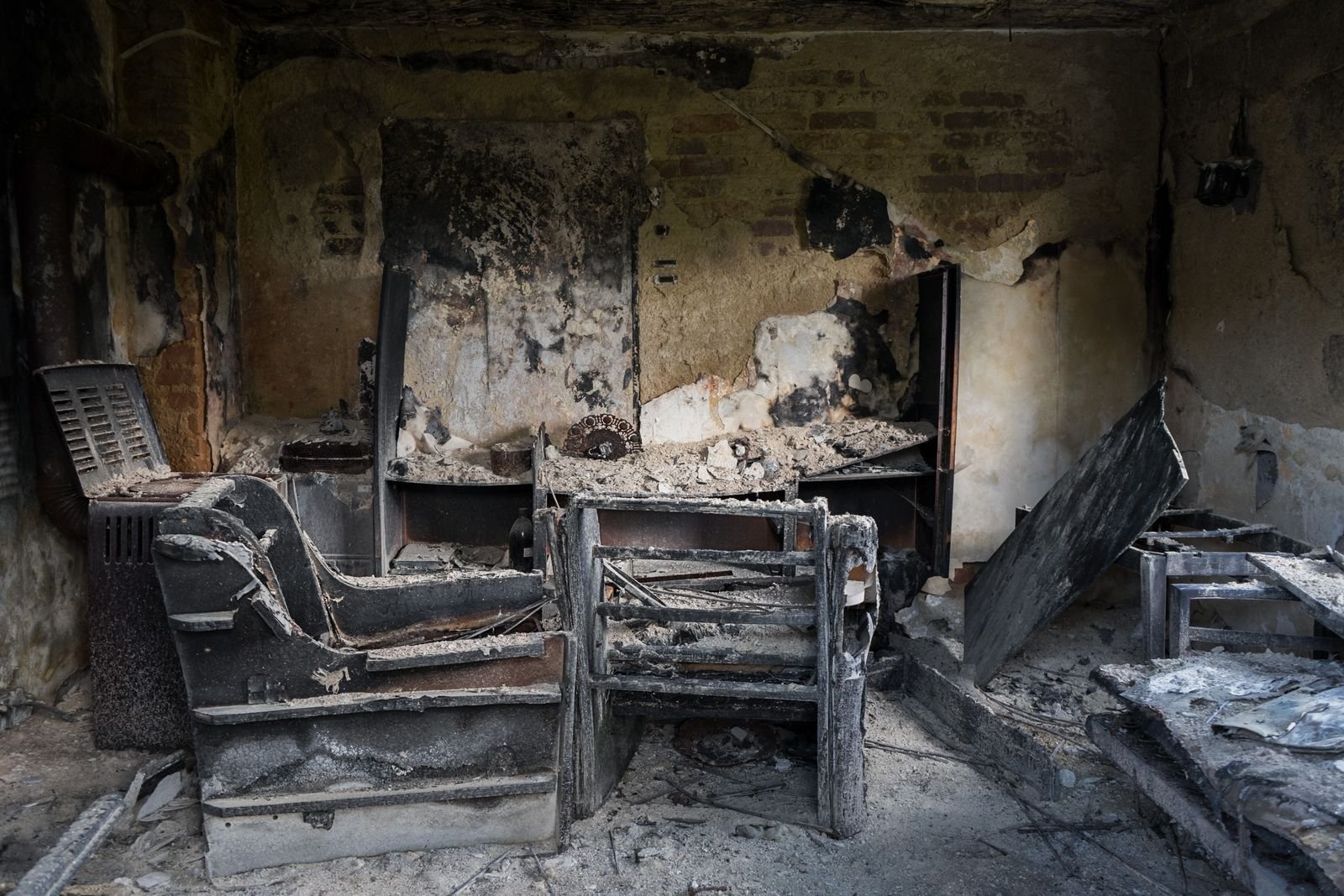
Fire, smoke, soot, and firefighting water · Denton County
Fire Damage Restoration in Denton, TX
Fire damage restoration in Denton TX covers everything after the fire trucks leave: securing the property, removing the water used to fight the fire, cleaning soot and smoke residue, removing odor, and rebuilding. One crew handles the whole job and the documentation your insurer needs.
- 24/7 board-up and tarping
- Soot and smoke odor removal
- Contents pack-out
- Claim documentation
Fire and smoke damage restoration: what it really involves
A house fire leaves three kinds of damage. There is what burned. There is what the smoke and soot touched, which is often most of the house. And there is what the fire hoses soaked. Each one needs a different fix, and they have to happen in the right order.
Soot is acidic. Left on surfaces, it can etch glass, tarnish metal, and yellow plastics and paint within days. Smoke odor gets into drywall, insulation, carpet, clothing, and ductwork. And the water used to put out the fire starts the same mold clock as any other water loss. That is why fire damage restoration should start as soon as the fire department releases the property, not after the claim is settled.
We handle smoke damage restoration and fire damage repair for homes and businesses across Denton County, including small kitchen fires that left smoke in every room.
Right now
What to do in the first 24 hours after a fire
- Stay out until cleared. Only go back in when the fire department says the structure is safe.
- Call your insurance company. Ask about additional living expenses if you cannot stay in the home.
- Secure the property. Broken windows, doors, and roof openings need board-up and tarping the same day. We can do both.
- Don’t wipe soot. Rubbing smears it deeper into paint and fabric. Leave cleaning to dry sponges and HEPA vacuums.
- Don’t turn on the HVAC. It will pull soot through the ducts and into rooms the fire never reached.
- Don’t use electronics or appliances that were exposed to heat, smoke, or water until they are checked.
- Throw out exposed food, medicine, and cosmetics. Heat and smoke contaminate them even in closed containers.
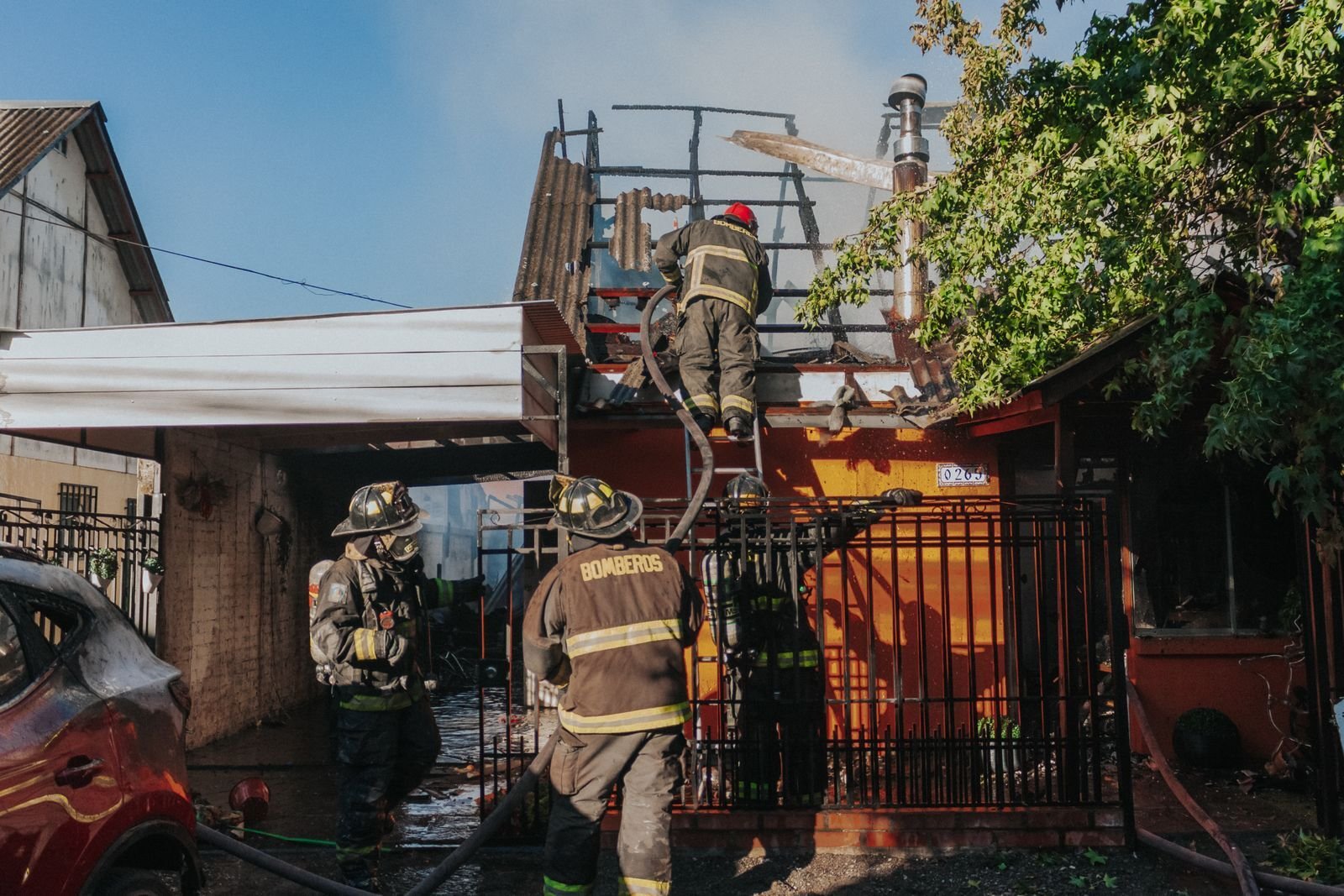
Not all smoke is the same
Types of smoke and soot residue
What burned decides what the residue is, and that decides how we clean it.
| Residue type | Typical source | What it is like | How we clean it |
|---|---|---|---|
| Dry smoke | Fast, hot fires burning paper and wood | Powdery, dry, easier to remove, but gets into cracks | Dry chemical sponges, HEPA vacuuming, then mild cleaners |
| Wet smoke | Slow, smoldering fires with plastics and rubber | Sticky, smeary, strong odor | Degreasing cleaners and more agitation; sealing when needed |
| Protein residue | Kitchen fires burning meat, grease, or food | Nearly invisible film, very strong odor, discolors paint | Enzyme and degreasing cleaners; odor treatment is key |
| Fuel oil soot | Furnace or fuel-burning appliance puffback | Thick, black, oily | Specialized cleaners; often sealing and repainting |
Smoke also follows air flow and temperature. It moves toward cooler areas, so it collects on exterior walls, in closets, behind furniture, and inside the HVAC system. It can move through outlets and around pipes into wall cavities. That is why a fire in one room often means cleaning the whole house.
Our process
Our fire damage restoration process
Secure and assess
Board-up and tarping stop weather, theft, and animals. We walk every room with you, identify residue types, check moisture from firefighting, and photograph everything before work starts.
Remove water and debris
Extractors pull standing water. Wet insulation, drywall, and carpet pad come out. Charred materials and debris are removed so cleaning and drying can start.
Pack out contents
Belongings are inventoried with photos. Items that can be cleaned are packed out for cleaning and storage. Items that cannot are listed for your contents claim.
Clean soot and smoke
Top down, room by room: dry sponges, HEPA vacuums, and the right cleaner for each residue and surface. HVAC ducts are cleaned so odor does not return.
Deodorize
HEPA air scrubbers, thermal fogging, and hydroxyl or ozone treatment neutralize odor that cleaning alone cannot reach. Ozone requires an empty building.
Seal and rebuild
Odor-blocking primer on cleaned framing and surfaces, then insulation, drywall, paint, flooring, and cabinets. Electrical and structural work may need a city permit.
The water damage nobody plans for
Most people are surprised to find their home soaked after a fire. Hose lines deliver a large volume of water in minutes, and it goes where the fire was and everywhere below it: into ceilings, wall cavities, insulation, and subfloors. Sprinkler systems in commercial buildings add even more.
That water has to be treated like any other water loss. The EPA advises drying water-damaged materials within 24 to 48 hours to prevent mold. On a fire job, it also mixes with soot and ash, which makes it dirtier and harder to clean. Because our core work is water damage restoration, we treat drying as part of the fire job from the first hour, not a later add-on.
Learn more on our water mitigation page.
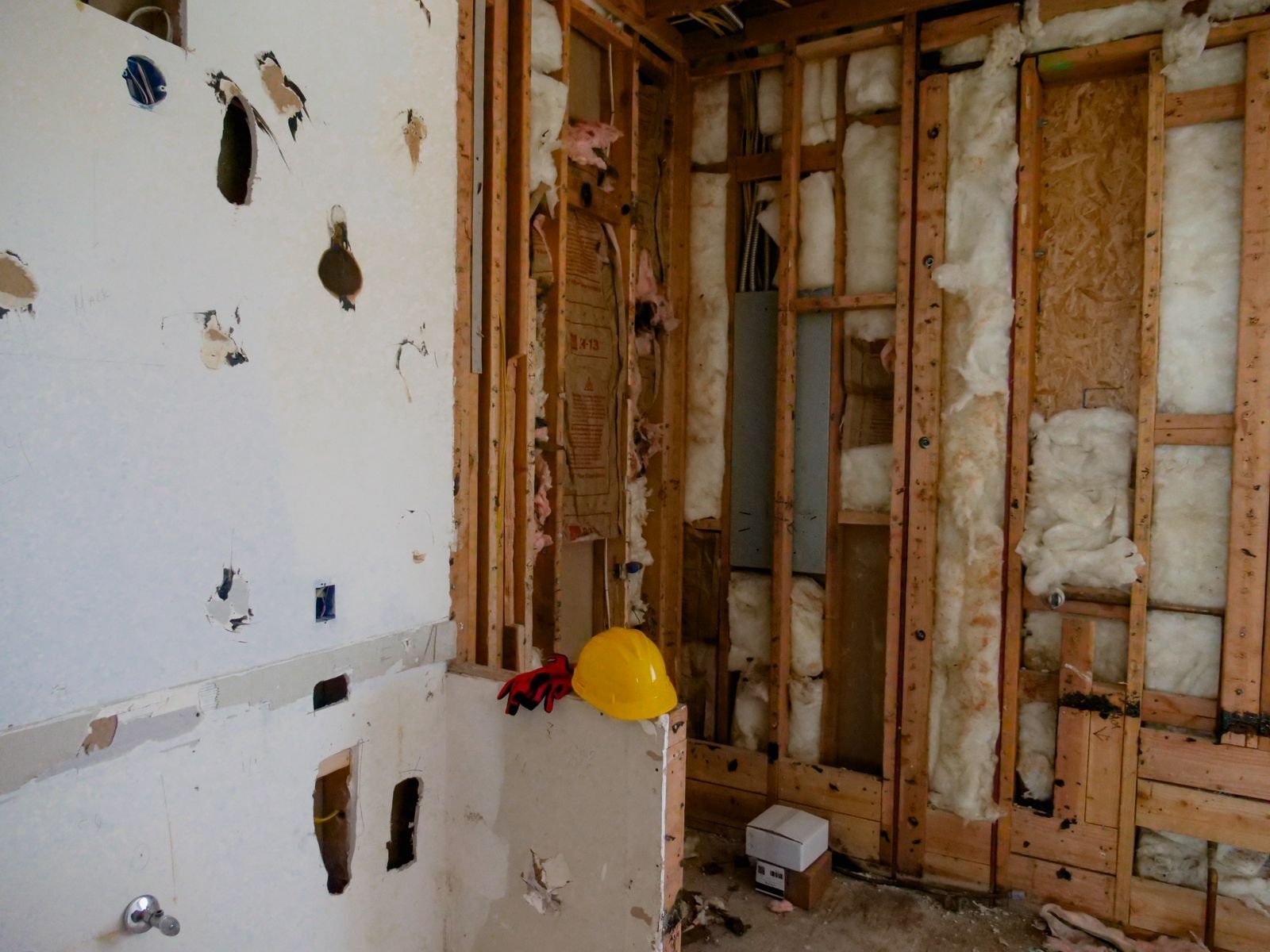
Clean, seal, or replace?
Every surface gets a decision. Here is how we usually think about it:
| Condition | Usual approach |
|---|---|
| Light smoke film on painted walls and ceilings | Clean, then repaint if staining remains |
| Heavy soot, heat-blistered paint | Clean, seal with odor-blocking primer, repaint |
| Charred framing | Remove or reinforce charred wood; clean and seal the rest |
| Wet or smoky insulation | Replace |
| Carpet and pad with soot and water | Usually replace |
| Hard furniture, dishes, and decor | Clean; many items can be saved |
| Clothing and fabrics | Specialized cleaning; do not wash at home first |
| Electronics | Have a specialist evaluate before powering on |
Fire damage in Denton County homes
The most common house fires start in the kitchen, and those leave protein residue that is hard to see but easy to smell. Dryer lint, space heaters, and electrical problems are other frequent causes. In North Texas, the dry, windy stretches of late winter and summer can also bring grass fire smoke into homes on the rural edges of the county, where towns meet open grassland.
Denton County weather adds to the damage after a fire. Storms can hit an unsecured roof within days, and summer heat speeds up mold growth in wet walls. That is why board-up, tarping, and drying come first on our jobs, even before soot cleaning.
Rebuild work that touches structure, electrical, or plumbing usually needs a permit from the city building office where the home sits. We will tell you which parts of your repair likely need one.
Your belongings after a fire
Contents are often the hardest part of a fire for families. Clothes, photos, books, and furniture that look fine can hold smoke odor for months. Items near the fire may look ruined but clean up better than expected.
On larger fires we do a full contents pack-out. Each item is photographed, listed room by room, packed, and moved out for cleaning and storage. Hard goods like dishes, glass, metal, and sealed wood furniture are usually cleaned. Soft goods like clothing, bedding, and drapes go through specialized odor and soot cleaning. Items that cannot be restored are listed with photos for your contents claim, so nothing is thrown away without a record.
- Tell us what matters most. Family photos, heirlooms, and documents get priority handling.
- Keep receipts. Anything you buy to get by, like clothing and toiletries, may be part of your additional living expense claim.
- Don’t rush to discard. Your adjuster may want to see damaged items or the inventory first.
Commercial fire and smoke damage
For offices, shops, and restaurants, smoke often spreads through shared ceiling plenums and HVAC systems into spaces the fire never reached. We clean and deodorize in phases so undamaged areas can reopen first, and we keep records for each suite. See commercial water damage restoration for how we handle the water side of a business fire.
Cost and insurance
Paying for fire and smoke damage repair
What drives cost
How far smoke spread, the residue type, how much water was used, structural damage, how much needs sealing and repainting, and the size of the contents job.
What is usually covered
Fire is a standard covered peril in Texas homeowners policies, and the water used to fight it is part of the same loss. Your deductible, limits, and loss-of-use coverage depend on your policy.
How we help
Room-by-room photos, contents inventory, moisture logs, and an itemized estimate. We can work directly with your insurance company and meet the adjuster on site.
We do not quote flat prices for fire work. For a rough sense of your claim, try the insurance claim coverage estimator or the water damage cost calculator for the water side of the loss.
DIY smoke cleanup: what not to do
- Scrubbing soot with water and all-purpose cleaner, which smears it into porous surfaces.
- Painting over smoke stains without a sealer, which lets odor and stains bleed through.
- Washing smoky clothes with regular detergent, which can set the odor.
- Running the AC before the ducts are cleaned.
- Using ozone generators in an occupied home. Ozone is harmful to breathe.
Service area
Fire damage restoration in every city we serve
- Denton Fire & Smoke Damage
- Corinth Fire & Smoke Damage
- Lake Dallas Fire & Smoke Damage
- Argyle Fire & Smoke Damage
- Krum Fire & Smoke Damage
- Ponder Fire & Smoke Damage
- Little Elm Fire & Smoke Damage
- Lewisville Fire & Smoke Damage
- Flower Mound Fire & Smoke Damage
- Carrollton Fire & Smoke Damage
- Coppell Fire & Smoke Damage
- Northlake Fire & Smoke Damage
- Justin Fire & Smoke Damage
Related reading: prevention tips for Texas homeowners and common causes of water damage in Denton, including the water side of fire losses.
FAQ
Fire and smoke damage questions
How soon should fire damage restoration start?
As soon as the fire department releases the property. Board-up and water removal should happen the same day or next. Soot starts to etch and stain surfaces within days, and wet materials can grow mold in 24 to 48 hours.
Can smoke odor be completely removed?
In most homes, yes. It takes removing the residue at the source, cleaning ducts, air scrubbing, deodorizing with thermal fogging or hydroxyl, and sealing some surfaces before paint. Skipping any step often means the smell comes back on hot days.
Why is my house wet after a fire?
Firefighters use large amounts of water, and it soaks into ceilings, walls, and floors. It needs professional drying like any other water loss, or mold will follow.
How long does fire damage restoration take?
A small kitchen fire with smoke in a few rooms may take 1 to 3 weeks. A fire with structural damage and a full rebuild can take months, depending on permits, materials, and insurance approvals.
Can I stay in my home after a small fire?
Sometimes, if the fire was small, utilities are safe, and smoke is limited. With heavy soot, strong odor, or no working kitchen, most families stay elsewhere. Ask your insurer about loss-of-use coverage.
What is soot damage restoration?
It is the cleaning of soot residue from walls, ceilings, contents, and ductwork using methods matched to the residue type. Dry soot, wet smoke, protein residue, and fuel oil soot all clean differently.
Do you restore commercial fire damage too?
Yes. We board up, dry, clean, and deodorize offices, shops, and restaurants, and we phase work to help you reopen sooner.