Floodwater cleanup · Lake Dallas, TX
Flood Water Restoration in Lake Dallas, TX
Outside water that gets into a house is dirty water. Our flood water restoration in Lake Dallas, TX treats it that way: removal of soaked materials, disinfection, and controlled drying, with records your flood or homeowners insurer can use.
- Category 3 protocols
- Flood cuts and disinfection
- NFIP claim documentation
Lake levels vs. town
- Lake Dallas elevation: about 581 ft
- Lewisville Lake spillway: 532 ft
- May 2015 high water: about 537 ft
- Lake shoreline: 183 miles
Most flooding in town comes from storm runoff, not the lake rising into homes.
If your house took on floodwater
- While water is risingGet people and pets to higher ground. Do not drive through water on the road. Stay out of flooded rooms with live power.
- Once it stopsShut off power at the main if you can do it from a dry spot. Photograph water lines on walls, furniture, and appliances.
- Within a few hoursCall your insurance agent to report the loss, then call us at (940) 274-9880. Wear boots and gloves if you must go inside.
- Within 24 to 48 hoursWet drywall, insulation, and carpet should be out and drying started. After that, mold growth becomes likely in North Texas heat.
Where the water comes from
Flood risk in a lakeside town
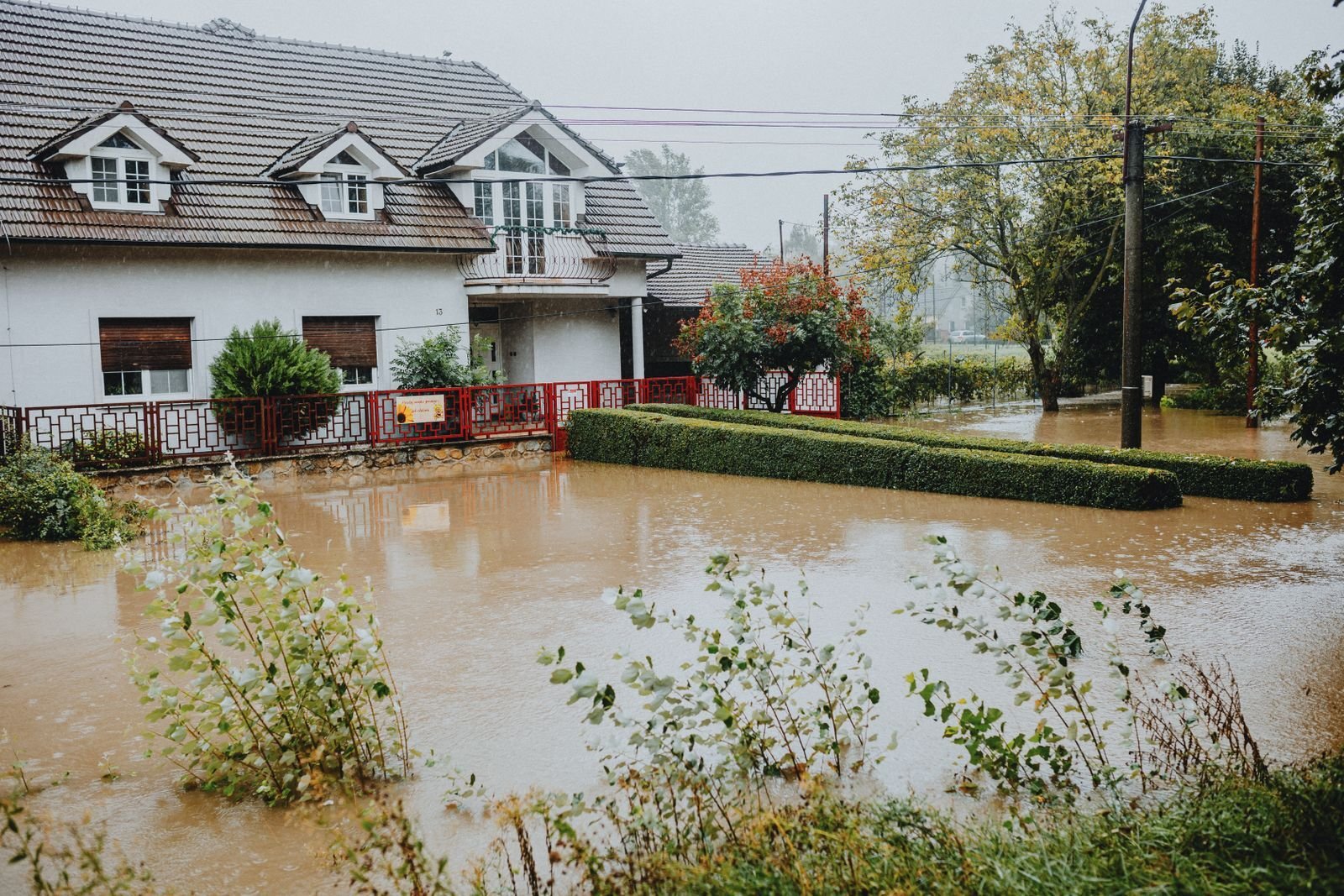
People assume a town on Lewisville Lake floods from the lake. In practice, the town sits well above the water. The core of Lake Dallas is near 581 feet, while the lake’s spillway crest is 532 feet. Even the record spring of 2015 pushed the lake to about 537 feet, still more than 40 feet below the town center.
The more common problem is runoff. When a spring storm drops several inches in a few hours, drainage channels and streets carry water downhill toward the lake. Low lots, garages below street grade, and homes along drainage paths are the ones that take water.
Check your address on the FEMA Flood Map Service Center to see its official flood zone.
Local history
A town shaped by two dams
- 1927Garza Dam creates the first Lake Dallas, which becomes Dallas’ main water source for about 31 years. The town of Garza takes the lake’s name around this time.
- 1955The Corps of Engineers finishes Lewisville Dam, more than 6 miles long, for flood control and water supply.
- 1957The old Garza Dam is breached and the original lake becomes part of the larger reservoir.
- 2015After heavy spring rain, Lewisville Lake passes its 100-year flood mark near the end of May.
The dam does its job of holding back upstream water. What it cannot do is stop rain that falls on town streets and runs straight into houses. See our article on flash flood risks in Denton County.
The work
How we clean up floodwater
Safety check
We confirm power is off and check for structural hazards before anyone goes in.
Pump and extract
Standing water and mud come out first, followed by extraction of floors.
Flood cuts
Drywall and insulation that touched floodwater are cut out, usually 2 feet or more above the water line.
Clean and disinfect
Studs, slab, and remaining surfaces are cleaned and treated with antimicrobial products.
Dry and rebuild
Dehumidifiers run until readings hit dry standard, then we rebuild walls and floors.
Flood water restoration in Lake Dallas TX: insurance and cost
This is where many people get surprised. Standard homeowners policies usually exclude rising floodwater from outside. That coverage comes from a separate NFIP or private flood policy. Water that comes through a storm-damaged roof or window is different and may fall under homeowners coverage.
| How water got in | Policy that usually responds |
|---|---|
| Surface water rising from outside | Flood policy (NFIP or private) |
| Rain through a hail or wind-damaged roof | Homeowners policy |
| Sewer or drain backing up | Homeowners only with a backup endorsement |
Cost depends on how high the water rose, how long it sat, and how much material has to be removed. Floodwater always needs more removal than clean pipe water. Our insurance coverage estimator can help you think through your claim.
Keep a list of damaged items, even ones you have already thrown out. Flood adjusters usually want photos, a description, and an approximate age for each item.
Why homeowners call us after a flood
- Category 3 training and protective gear for contaminated water.
- Photo and moisture records formatted for flood adjusters.
- Crews based about 10 miles away in Denton.
- Rebuild included so you are not managing several contractors.
Related services
More restoration help in Lake Dallas


See the full flood water restoration service or return to water damage restoration in Lake Dallas. Floodwater cleanup is also available in Little Elm, Lewisville, and Corinth. Shady Shores and Hickory Creek residents can call the same number.
FAQ
Floodwater questions
Is my Lake Dallas home in a flood zone?
Only a map lookup can answer that. Enter your address on the FEMA Flood Map Service Center. Homes outside a mapped zone can still flood from runoff, and flood insurance there is often less expensive.
Can flooded carpet be cleaned and kept?
Usually not. Carpet and pad soaked by outside floodwater are treated as contaminated and replaced. Hard surfaces can often be cleaned and disinfected.
Why do you cut drywall so high?
Drywall wicks water above the visible line. We cut above the wet reading so no contaminated or damp material stays in the wall.
Does the lake rising put my house at risk?
For most of town, no. The lake has a spillway, and the town sits well above it. Runoff from heavy storms is the bigger risk for local homes.
How long does flood cleanup take?
Removal and disinfection often take 1 to 2 days, then drying runs 3 to 5 days. Rebuild time depends on how much was removed.