
Water removal and drying · Flower Mound, TX
Water Mitigation in Flower Mound, TX
Water mitigation in Flower Mound, TX is the emergency part of a water loss: stop it, extract it, and dry the structure before damage spreads. Our crews start extraction the same visit and track drying every day.
- Same-visit extraction
- LGR dehumidifiers
- Daily moisture logs
- Adjuster-ready records
Mitigation first, repairs second
Mitigation limits damage. Restoration repairs it. Insurers expect you to take reasonable steps to prevent further loss, and professional water mitigation in Flower Mound is how most homeowners meet that duty.
The clock matters. Drywall wicks water upward, carpet pad holds it against the subfloor, and mold can start in 24 to 48 hours. In a North Texas summer, warm indoor air and high humidity speed that up. The faster water comes out, the more of your home stays in place.
Flower Mound houses are mostly large, and many have two stories. That means more square feet of wet material and a bigger drying load. We size equipment to the actual evaporation load instead of guessing from the room count.
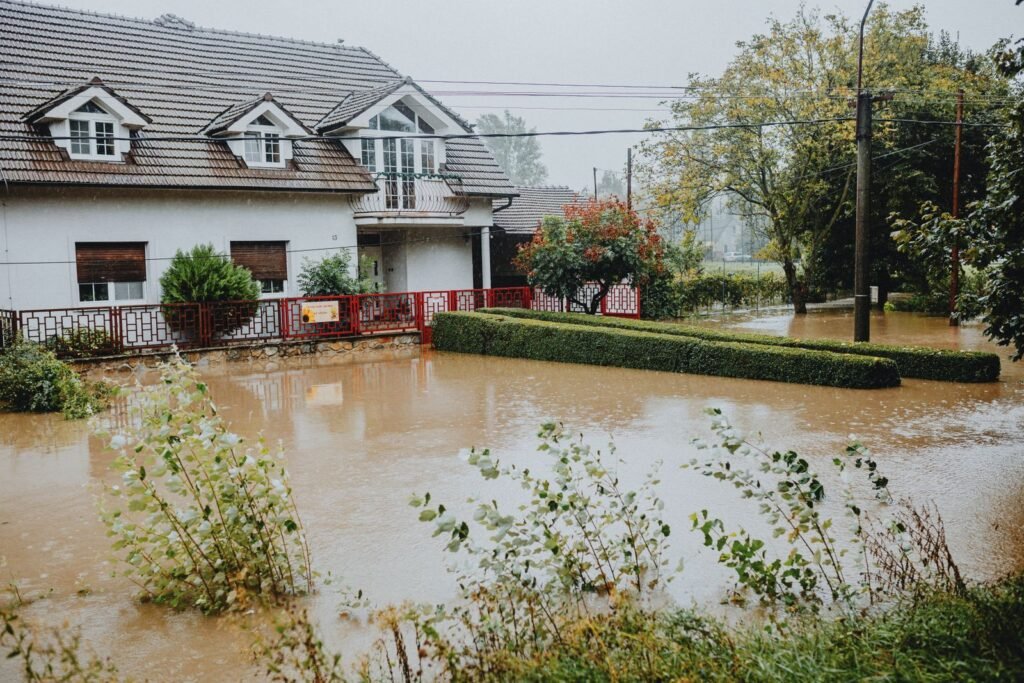
Flower Mound sits between Grapevine Lake and Lewisville Lake, and the town drains into both through creeks like Timber Creek and Graham Branch. If water came in from outside, treat it as Category 3. With a median build year of 1997, many homes also have original supply lines and water heaters, two of the most common sources of clean-water losses.
Timeline
How a mitigation visit unfolds
- Before we arriveThe dispatcher helps you close the main valve and cut power to wet rooms if it is safe.
- First hour on siteWe confirm the source is stopped, check for electrical hazards, and scan walls and floors with a thermal camera and moisture meters.
- Hours 1 to 4Truck-mount or portable extractors pull water out of carpet, pad, tile, and hardwood. We move and block furniture.
- Same dayWe remove materials that cannot be dried, like soaked pad or swollen particleboard, and set air movers and LGR dehumidifiers.
- Days 2 to 5We return daily to read moisture, adjust equipment, and log progress until every material reaches its dry goal.
Drying science
Water category and class decide the plan
The IICRC S500 standard sorts every loss two ways before drying starts.
| Rating | Meaning | Example in a local home | What changes |
|---|---|---|---|
| Category 1 | Clean water | Broken supply line under a sink | Most materials can be dried in place |
| Category 2 | Gray water | Washer or dishwasher discharge | Antimicrobial treatment, pad usually removed |
| Category 3 | Black water | Creek runoff, sewage backup | Porous materials removed and disinfected |
| Class 1 to 2 | Small to one full room of wet material | Kitchen leak caught early | Fewer air movers and dehumidifiers |
| Class 3 to 4 | Ceilings, walls, or dense materials soaked | Upstairs tub overflow into a ceiling | More equipment, longer drying, specialty mats |
Equipment
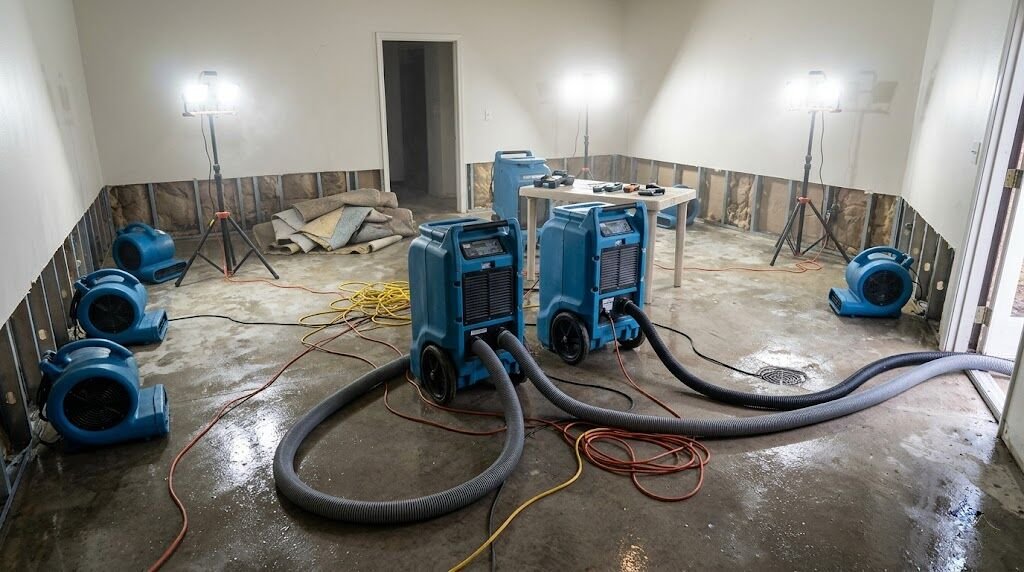
What we bring to a Flower Mound job
- Extractors. Truck-mount units for heavy volume and portables for upstairs rooms.
- LGR dehumidifiers. They pull moisture even when the air is already humid, which matters near the lakes.
- Air movers. Placed to push air across wet surfaces, not just blow around the room.
- Meters and thermal cameras. To find hidden water and prove when it is gone.
- Wall and floor drying systems. For cavities and hardwood that fans cannot reach.
Cost and insurance for water mitigation
Mitigation cost depends on the square footage, the water category, how long equipment runs, and what has to be removed. Faster response usually means a smaller bill, because less material has to come out.
Most homeowners policies cover mitigation after sudden, accidental water damage. Our moisture logs and photos show the adjuster exactly what was wet and how long it took to dry. Use the emergency severity calculator to gauge how urgent your situation is, or call us for a free estimate.
We are IICRC-certified, carry commercial-grade gear on every truck, and aim to be on site in about 60 minutes. The same team can handle repairs once drying is done.
Also in Flower Mound
More Flower Mound restoration pages
See our full water mitigation service page, or head back to the Flower Mound hub. We also provide water mitigation in Lewisville, Coppell, and Northlake.
FAQ
Water mitigation questions in Flower Mound
What is the difference between water mitigation and water damage restoration?
Mitigation is the emergency work: extraction, removing wet materials, and drying. Restoration is the repair that follows, like new drywall, paint, and flooring. We do both.
Can I run fans myself instead?
Household fans move air but do not remove moisture from it. Without dehumidifiers, humidity rises and mold can grow inside walls. Fans also cannot tell you when materials are truly dry.
Why do you need to come back every day?
Daily readings show which areas are drying and which are not. We move or add equipment as needed and record the numbers for your insurance claim.
Will you have to remove my drywall?
Only if it cannot be dried or if the water was contaminated. Clean water in drywall caught early can often be dried in place with wall cavity drying.
Does water mitigation in Flower Mound need a town permit?
No. Extraction and drying do not need one. A permit may be needed later if a water heater is replaced or plumbing is rerouted, and the town offers emergency permits for those repairs.
How do you know when my home is really dry?
We take readings on unaffected materials in your home to set a dry goal, then keep drying until wet areas match it. The final readings go into the report for your insurer.