Homeowners · Flower Mound, TX
Residential Water Damage Restoration in Flower Mound, TX
Our residential water damage restoration team in Flower Mound, TX dries out houses after leaks, overflows, and storm water, then repairs what was lost. We answer 24/7 and start with a free moisture inspection.
- About 60 minutes to most homes
- Moisture mapping included
- Drying and rebuild
- Claim paperwork handled
Flower Mound homes by the numbers
- Median build year: 1997
- Built in the 1990s: about 40%
- Single-family detached: about 86%
- Owner occupied: about 82%
Rounded from American Community Survey data. Call (940) 274-9880 any hour.
Home water damage in a town of big houses
Flower Mound is mostly owner-occupied, single-family homes, and many are large two-story plans. That shapes how a leak spreads. Water on a second floor does not stay put. It moves along joists, through light fixtures, and down into kitchens and living rooms.
Residential water damage restoration in Flower Mound TX usually means tracing that path through two floors, not just drying one wet spot. We check ceilings, wall cavities, cabinets, and the subfloor on both levels. Then we dry what can be saved and replace what cannot.
Because most people here own their homes, the owner is usually the one making every call: the plumber, the insurer, and the restoration company. We try to shrink that list by handling the drying, the documentation, and the repairs ourselves.
Common calls
Where home leaks start in Flower Mound
Upstairs bathrooms
A cracked toilet supply line or a failed shower pan on the second floor can soak the ceiling of the room below before anyone notices a stain.
Pipe and supply line leaksAttic and garage water heaters
Many homes here keep the tank in the attic or garage. An overflowing drain pan in the attic lands on the drywall ceiling and insulation.
Appliance leak helpRoof and window leaks
Spring hail and wind-driven rain find weak flashing and window seals. Water often shows up days later as a bubble in the paint.
Storm damage restorationRight now
Your first hour after finding water
- Stop the flow. Close the main shutoff. In many homes here it sits in a curb box by the street.
- Kill power to wet areas. Use the breaker panel, and skip it if you would have to stand in water.
- Protect what you can. Lift rugs, move electronics, and put foil under furniture legs.
- Check the room below. On a two-story leak, look at the ceiling underneath for stains or sagging.
- Take photos. Capture the source and damage before anything is moved or thrown away.
- Call us. Dial (940) 274-9880 for a crew with extractors and dehumidifiers.
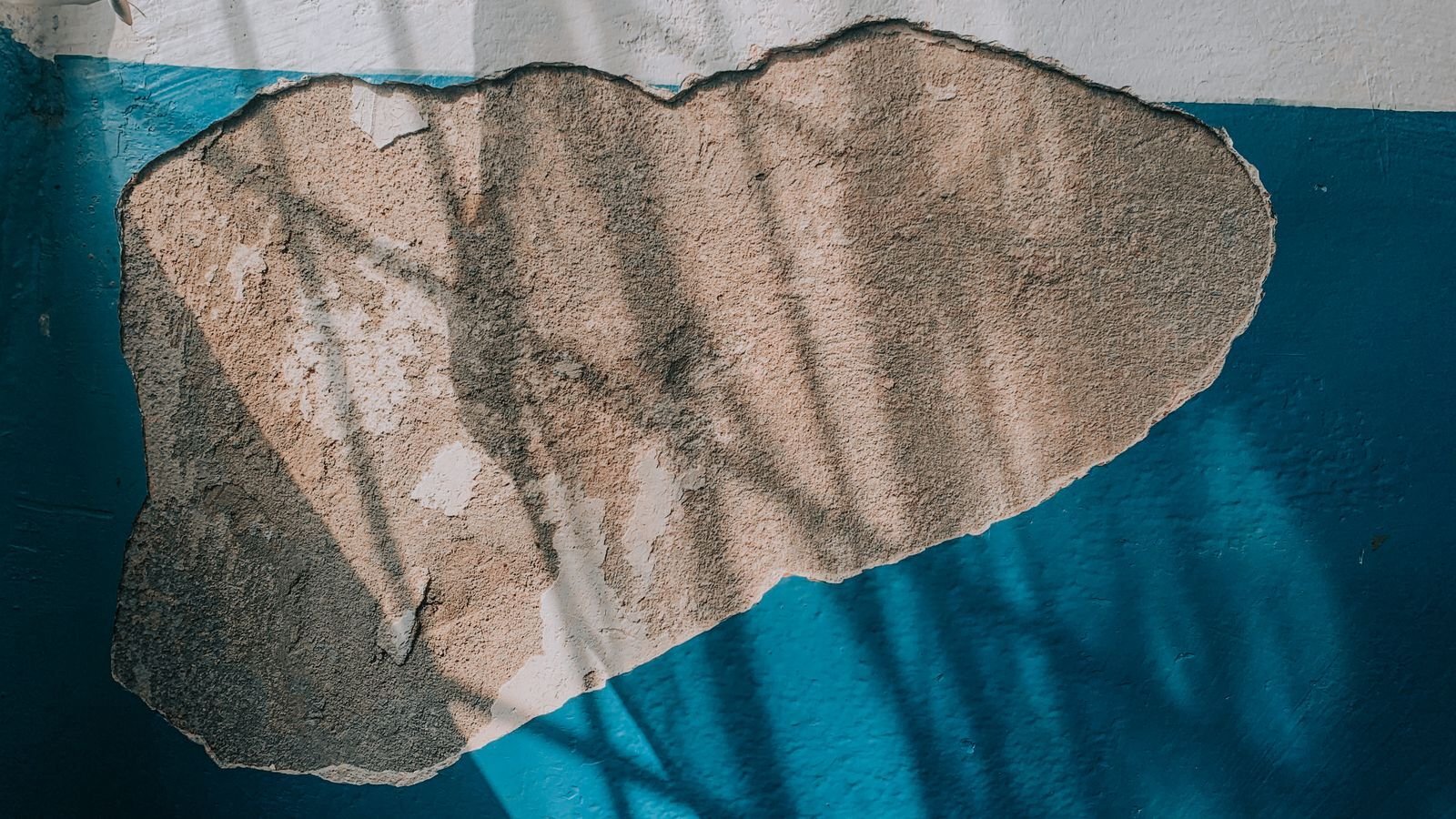
What we do
What residential water damage restoration includes
Inspect and extract
We map moisture with meters and a thermal camera, then pull water from carpet, pad, and hard floors with truck-mount extractors.
Dry the structure
We remove wet baseboards and drywall where needed, then run LGR dehumidifiers and air movers until readings reach dry standard.
Restore the rooms
Drywall, texture, paint, cabinets, and flooring go back in, matched to the rest of the house as closely as we can.
Most homes dry in 3 to 5 days. Hardwood floors that cupped from the water may need longer drying before we know whether they can be saved. Cabinets are often saved by drilling small holes in the toe kick and blowing dry air behind them.
Cost and insurance for Flower Mound homeowners
Costs follow the size of the wet area, the category of water, and how much has to be rebuilt. A clean supply line leak caught early is a smaller job than a slow shower leak that reached the subfloor. Two-story losses cost more because two floors of drywall and ceiling are often involved.
A standard HO-3 policy usually covers sudden and accidental water release. It usually excludes slow leaks, rising floodwater, and sewer backup without an endorsement. We give your adjuster moisture maps, daily logs, and an itemized estimate, and we can work directly with your insurance company. For a quick range, open the water damage cost calculator.
Why homeowners here call us
- One company for the whole job. Drying and repairs, with no hand-off to a stranger.
- IICRC-certified crews. We follow the S500 standard for drying.
- Clear updates. You see the readings and photos we send your insurer.
Also in Flower Mound
More home services in Flower Mound



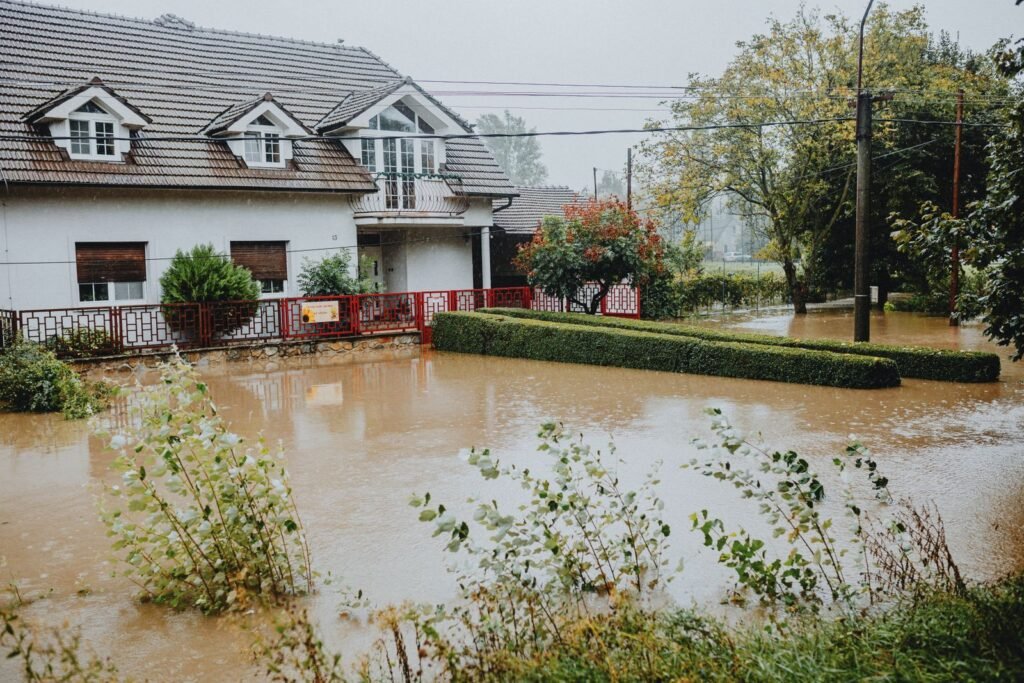
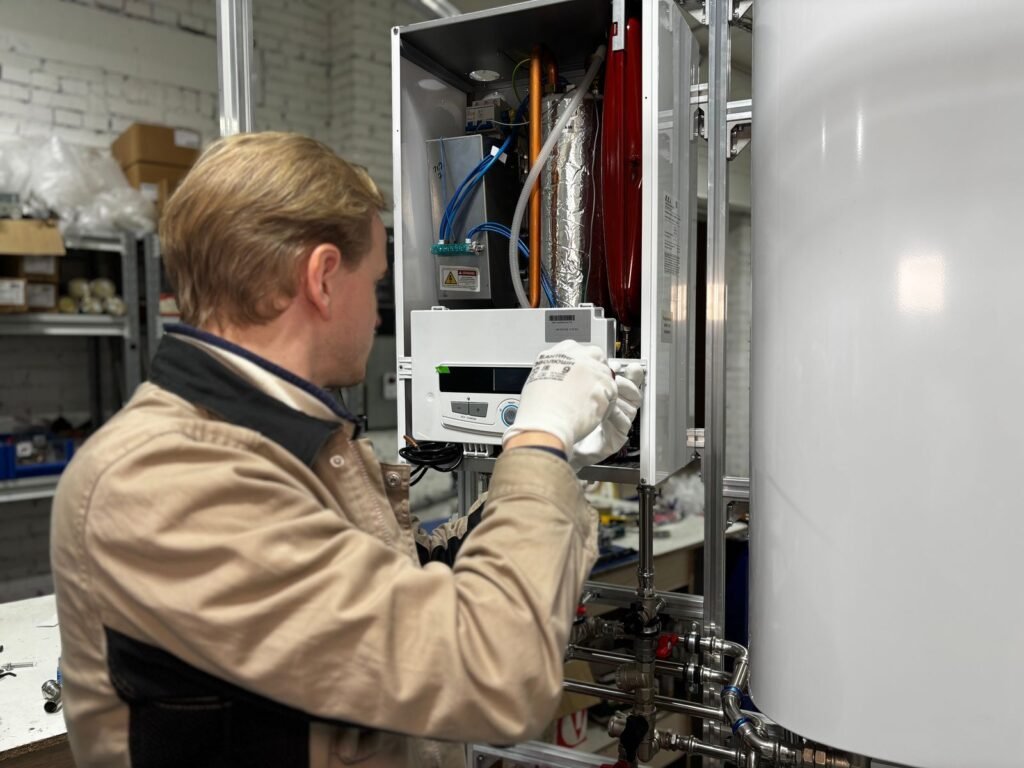
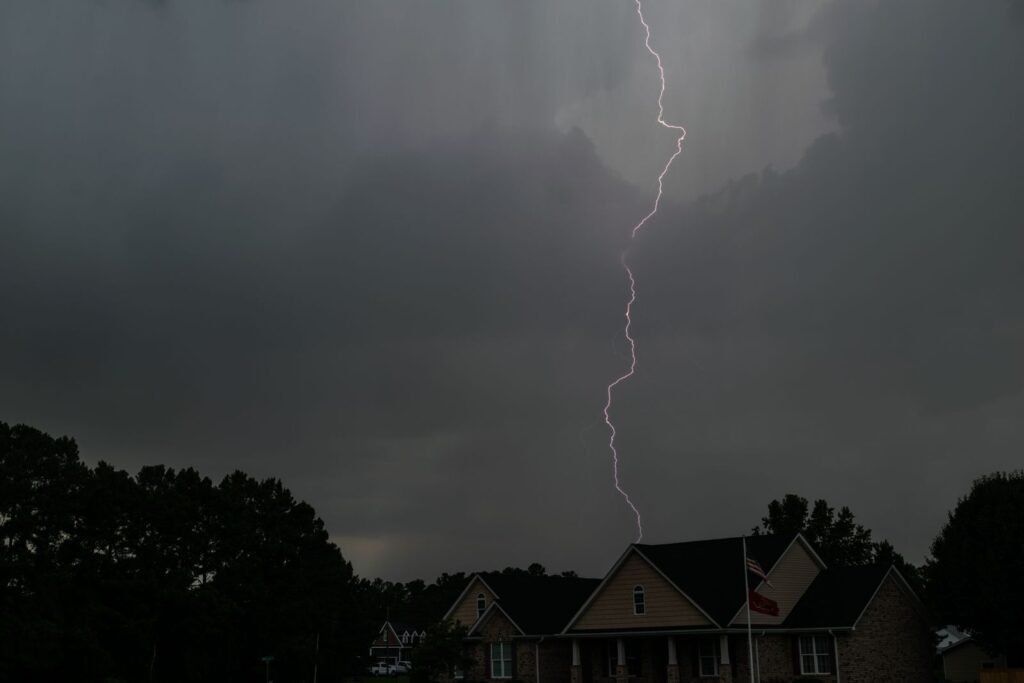
Learn more about our residential water damage restoration service, or return to the Flower Mound restoration hub. Neighbors in Lewisville, Argyle, and Corinth get the same home service.
FAQ
Questions from Flower Mound homeowners
Can I stay in my house while it dries?
Usually, yes. The equipment is loud and warm, but most families stay home. If a kitchen or the only bathroom is out, or if the water was Category 3, staying elsewhere for a few days may be better.
How do you find water that went from the second floor into the first?
We use thermal imaging to spot cool, wet areas in ceilings and walls, then confirm with moisture meters. That shows the full path without opening more drywall than needed.
Can wet hardwood floors be saved?
Often, if drying starts fast. We use floor drying mats and dehumidifiers and watch the moisture content. Boards that stay cupped after drying may need sanding or replacement.
Do I need to be home for the whole job?
You or someone you trust should be there for the first visit and the final walkthrough. For daily monitoring, many homeowners give us a lockbox code or a garage code.
Does my HOA need to know about repairs?
Interior drying and repairs rarely need HOA approval. Exterior work such as roofing, siding, or windows may. Check your HOA rules before the rebuild starts.