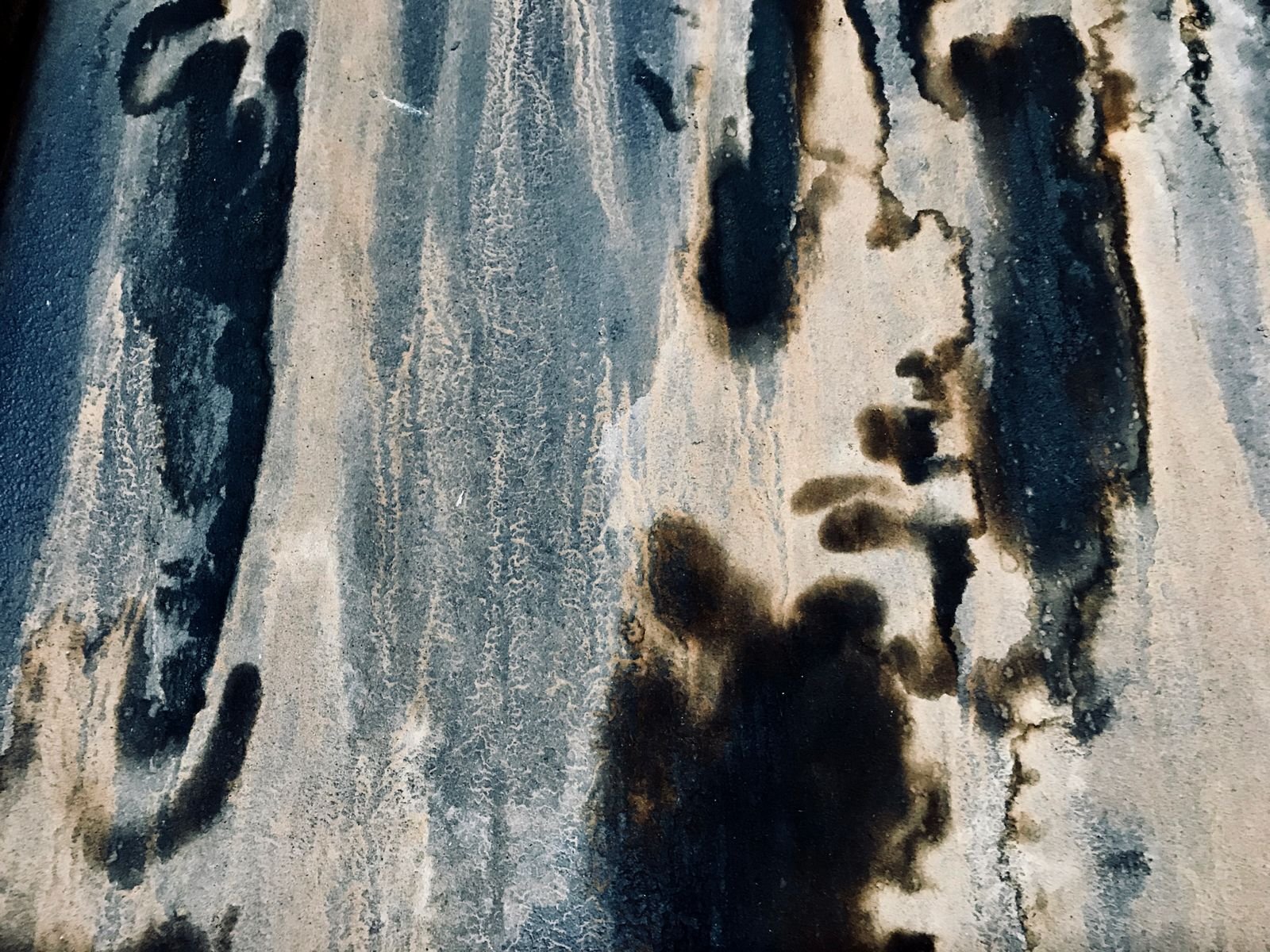
Containment and HEPA cleanup · Flower Mound, TX
Mold Remediation in Flower Mound, TX
Mold remediation in Flower Mound, TX means more than wiping a wall. We seal off the area, remove moldy materials under negative air, clean with HEPA equipment, and fix the moisture that caused it, following the IICRC S520 standard.
- IICRC S520 methods
- Containment and negative air
- HEPA air scrubbing
- Moisture source fixed
The process
How mold remediation works in Flower Mound homes
Inspect
We find visible growth and use meters and thermal imaging to locate the moisture feeding it.
Contain
Plastic barriers and negative air machines keep spores from drifting into clean rooms.
Remove
Moldy drywall, insulation, and carpet are bagged and removed. Framing is cleaned or sanded.
Clean the air and surfaces
HEPA vacuums, damp wiping, and air scrubbers remove settled and airborne spores.
Dry and rebuild
We dry to standard, confirm the source is fixed, and replace the removed materials.
Why mold grows in Flower Mound
Mold needs three things: moisture, food, and time. Drywall paper, wood framing, and carpet backing supply the food. North Texas summers supply the warmth. The moisture usually comes from a leak nobody caught.
Flower Mound sits between two large lakes, Grapevine Lake on the south edge and Lewisville Lake to the east. Homes close to the water and the creeks that feed them deal with damp outdoor air through much of the year. Inside, air conditioning keeps humidity down, until an AC drain line clogs or a leak adds water the system cannot remove.
The housing stock matters too. With a median build year of 1997, many homes still have original shower pans, window seals, and plumbing behind the walls. Slow leaks from these parts feed hidden mold for months. We find those spots with meters instead of guessing.
Summer brings its own mold risk. A clogged condensate line in an attic air handler can drip onto the ceiling for weeks while the AC runs hard. By the time a brown ring shows up, the back of the drywall and the insulation above it may already be growing mold.
Scrubbing or spraying bleach on moldy drywall can release spores and leave roots in the paper. Keep the area closed, turn off fans blowing across it, and call for an assessment.
Common spots
Where we find mold in local homes
- Behind shower walls. Failed grout or pans let water soak framing for months.
- Under sinks and dishwashers. Slow drips feed growth on cabinet bases.
- Attics. Condensate pan overflows and small roof leaks wet the decking and insulation.
- Window sills and walls. Worn seals let wind-driven rain inside the wall.
- Closets on exterior walls. Poor airflow plus a small leak is a recipe for growth.
Know the rules
Texas mold rules in plain terms
Ask us which steps apply to your project before work begins.
Cost and insurance for mold remediation
Cost depends on how large the affected area is, whether it is in an attic, wall, or crawlspace, how much material must be removed, and what rebuild follows. We give a written estimate after inspection.
Homeowners policies often cover mold only when it results from a covered sudden water loss, and many cap mold coverage. Mold from long-term leaks or humidity is often excluded. Check your policy, and use our mold growth risk calculator to gauge risk after a leak.
If the growth covers a large area or the house needs a formal protocol, we can work alongside an independent licensed mold assessor. Their report sets the scope, and a clearance check after our work confirms the area passed before walls are closed up.
Our crews are IICRC-certified, use commercial HEPA equipment, and fix the moisture source so the problem is not just covered up.
Also in Flower Mound
Related help in Flower Mound

Visit our mold remediation service page or the Flower Mound restoration hub. Nearby, we provide mold remediation in Lewisville, Coppell, and Corinth.
FAQ
Mold remediation questions from Flower Mound
Is black mold more dangerous than other mold?
Color does not tell you the type or risk. Any mold growing indoors should be removed properly, especially if anyone in the home has allergies or breathing problems.
Can I stay home during mold remediation?
Usually, yes, because containment and negative air keep the work zone sealed off. For large jobs or sensitive household members, staying elsewhere during removal may be wise.
Do you test for mold?
We inspect and measure moisture to find growth. For formal testing or a written protocol on larger jobs, an independent licensed mold assessor can be brought in.
Will mold come back after remediation?
Mold returns when moisture returns. That is why we find and address the water source and dry the area to standard. Keeping indoor humidity controlled helps prevent regrowth.
Does living near Grapevine Lake raise mold risk?
Outdoor humidity near the lakes can make a leak worse, because damp air slows natural drying. A tight, air-conditioned house with no leaks usually stays mold free.
How long does mold remediation take?
Small, contained jobs often take 1 to 3 days. Larger projects with attic or multiple-room work can take a week or more, plus time for drying and any rebuild.