Creek, lake, and runoff flooding · Flower Mound, TX
Flood Water Restoration in Flower Mound, TX
Floodwater is never clean water. Our flood water restoration crews in Flower Mound, TX remove it, tear out what it contaminated, disinfect, and dry the structure so it can be rebuilt safely.
- Category 3 water protocols
- Flood cuts and disinfection
- Structural drying
- Flood claim documentation
Flower Mound flood facts
- Watersheds: Denton (to Grapevine Lake) and Elm Fork Trinity (to Lewisville Lake)
- Grapevine Lake peak, 2015: 561.55 ft vs. 535 ft normal
- Record level: 563.5 ft in November 1981
- Floodplain questions: Town Public Works, 972-874-6000
Sources: Town of Flower Mound, Community Impact. Call (940) 274-9880 for cleanup.
Where flooding comes from in Flower Mound
The town names its flood hazard areas along Bakers Branch, Graham Branch, McKamy Creek, Sharps Branch, Timber Creek, Whites Branch, and Wichita Creek, plus the shores of Lake Grapevine and Lake Lewisville. Part of town drains to Grapevine Lake through the Denton watershed, and the rest drains to Lewisville Lake through the Elm Fork Trinity watershed.
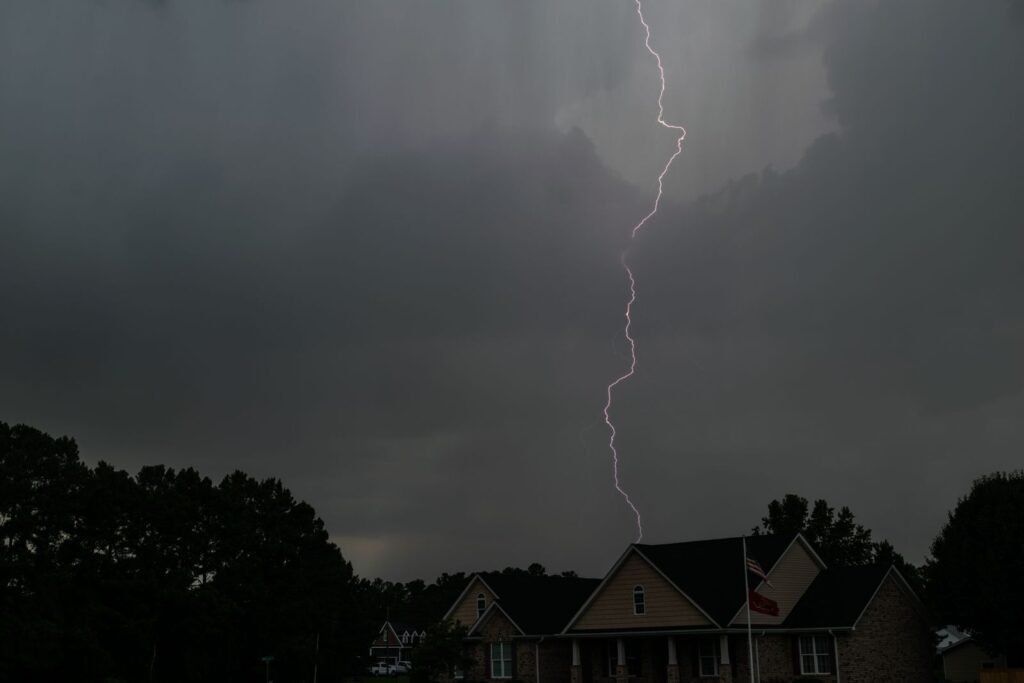
According to the town, flood risk comes from three things: flash floods, long periods of steady rain, and flood control operations by the U.S. Army Corps of Engineers at Lake Grapevine. The town also warns that homes far from a creek can still take on water from local drainage.
Flood damage restoration in Flower Mound usually starts in a garage, a family room on a slab, or a low backyard that drains toward the house. Water enters under doors and weep holes and wicks into drywall within hours.
Lake history
When Grapevine Lake rose 26 feet
| Level | Elevation | What it meant |
|---|---|---|
| Normal pool | 535 ft | Typical lake level, parks and ramps open |
| May 31, 2015 peak | 561.55 ft | After a rise of more than 26 feet in one month, park roads and ramps were underwater |
| Record, November 1, 1981 | 563.5 ft | Highest level on record for the lake |
The 2015 flood closed Twin Coves Park on the Flower Mound shore, and it did not reopen until June 2017. The lake did its job holding water back, but the event shows how much rain this area can take in a single spring.
After the water stops rising
What to do once floodwater enters your home
Stay safe
Do not walk through water near outlets or a breaker panel. Floodwater can carry sewage and chemicals.
Document
Photograph water lines on walls, damaged items, and the outside water source before cleanup.
Call your insurer
Report the loss to your flood carrier and homeowners carrier. They handle different causes.
Call us
We extract water and start flood cuts the same day to stop wicking and mold.
Keep receipts
Hotel, meals, and supplies may matter for your claim.
The service
How flood restoration differs from a pipe leak
Floodwater is Category 3 under the IICRC S500 standard. That changes the job:
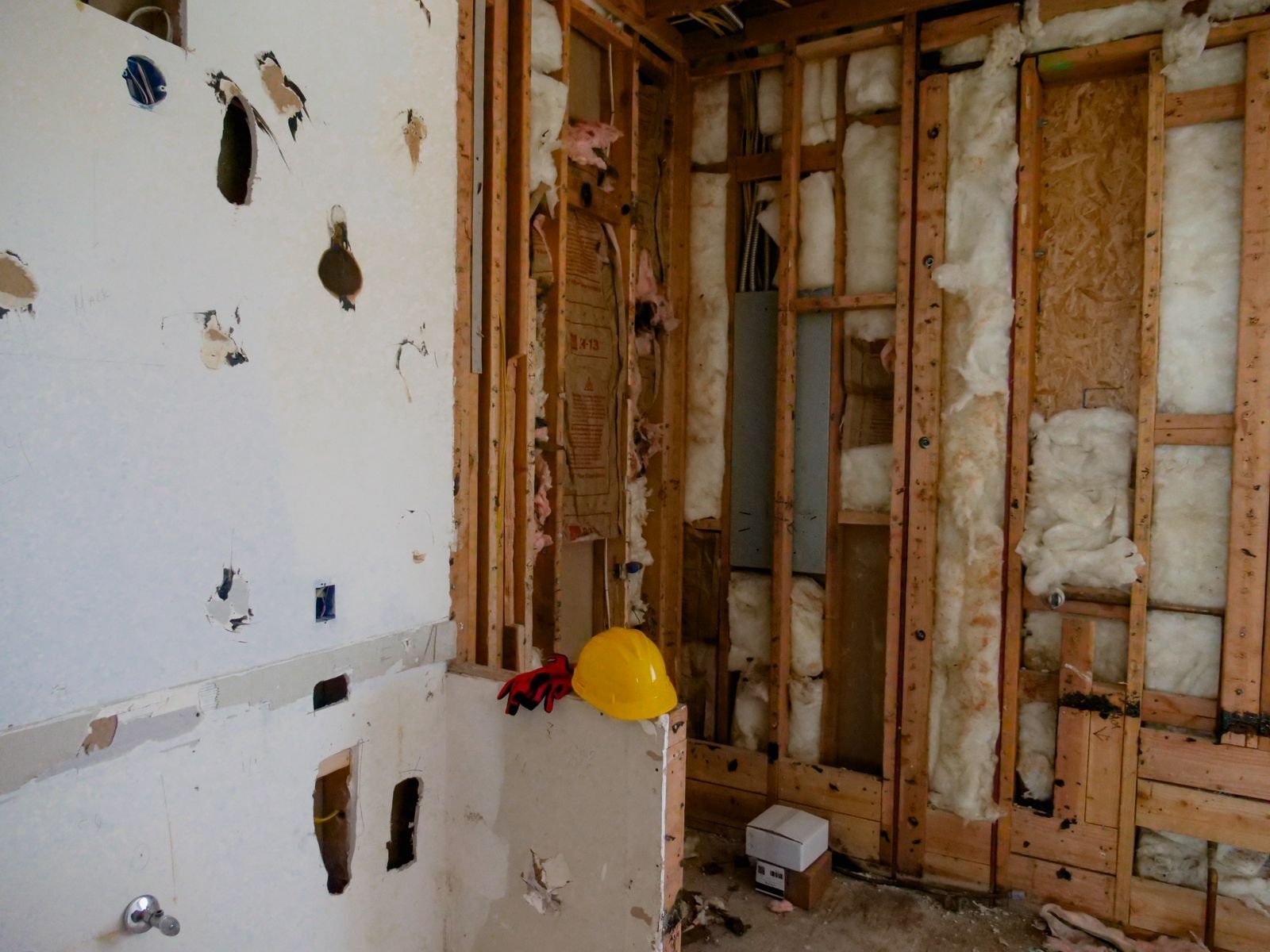
- Porous materials go. Carpet, pad, insulation, and soaked drywall are removed, not dried.
- Flood cuts. We remove drywall about 2 feet above the water line so wall cavities can be cleaned and dried.
- Disinfection. Framing, slab, and remaining surfaces get an antimicrobial treatment.
- Structural drying. LGR dehumidifiers and air movers dry framing and the slab to standard before rebuild.
- Contents. Items that can be cleaned are separated from those that must be listed and discarded.
Flood insurance and cost factors
Standard homeowners policies exclude rising floodwater. That damage is covered only by a National Flood Insurance Program policy or a private flood policy. NFIP policies usually take 30 days to take effect, so buying one during a storm does not help that storm.
Cost depends on water depth, how many rooms were affected, how much drywall and flooring has to come out, and how long drying takes. We document water lines, removed materials, and daily readings for your adjuster. Try our water damage cost calculator for a rough range.
To see whether your address is in a mapped flood zone, use the town’s interactive floodplain map or the FEMA Flood Map Service Center. Our guide to flash flood risks in Denton County explains more.
We are a flood restoration company with IICRC-certified crews, a 24/7 dispatcher, and the equipment to handle a whole ground floor at once.
Also in Flower Mound
More Flower Mound water damage services





Read about our flood water restoration service or go back to the Flower Mound main page. We also restore flooded homes in Lewisville, Argyle, and Northlake.
FAQ
Flood cleanup questions in Flower Mound
Can floodwater-soaked carpet be cleaned and kept?
No. Carpet and pad soaked by outside floodwater are treated as contaminated and removed. Some hard flooring can be cleaned and dried if it is not damaged.
Is my home in a flood zone if I am not near a creek?
Possibly. The town notes that homes away from creeks and Grapevine Lake can still be in a flood hazard area or face local drainage flooding. Check the town map or the FEMA map to be sure.
Does homeowners insurance cover water from a storm?
It depends on how the water got in. Rain through a hail-damaged roof is often covered. Surface water rising into the house is flood damage and needs a flood policy.
How soon should flood cleanup start?
Within 24 to 48 hours if possible. Contaminated water keeps wicking into walls, and mold can start growing within that window.
Do you help with NFIP flood claims?
Yes. We provide photos, moisture logs, and itemized estimates, and we can meet your flood adjuster on site.
Is water from a sewer backup the same as flood damage?
Not for insurance. Sewer backup is usually covered only with a special endorsement on your homeowners policy. The cleanup is similar, though, because both are Category 3 water.