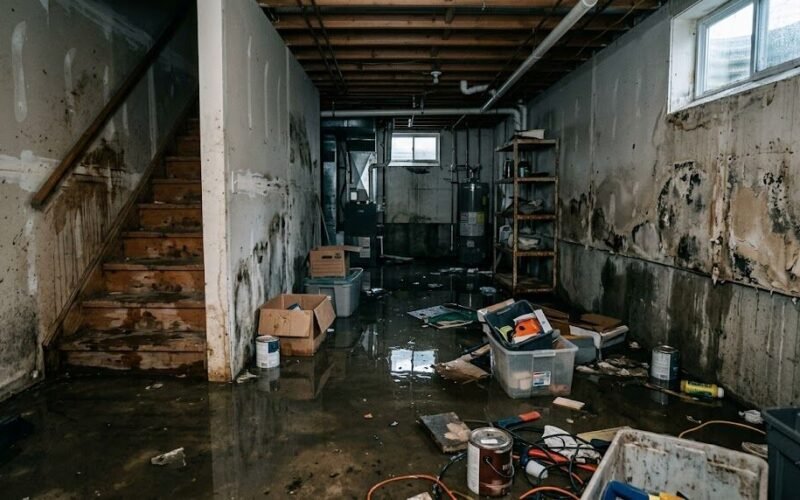
The best water damage prevention tips for Texas homeowners are simple and cheap compared to a repair: know where your main shutoff is, replace aging supply lines and washer hoses, keep the AC condensate line clear, move roof water away from the foundation, and prepare pipes before hard freezes. Most water damage we see in Denton County starts with a small part that could have been replaced for a few dollars.
Below is a practical checklist organized by system, followed by a season by season calendar built around North Texas weather.
Start here: know your shutoff
Every other tip matters less than this one. A burst supply line can release several gallons a minute. The difference between a wet cabinet and a flooded kitchen is how fast someone closes the valve.
- Find the main valve. In most North Texas homes it is in a box near the street at the meter, or where the line enters the house or garage. Some homes have both.
- Test it once a year. Old valves stick. If yours will not turn, have a plumber replace it now, not during an emergency.
- Show everyone in the house. Including teenagers and anyone who house-sits.
- Know the fixture valves. Every toilet, sink, water heater, washer and ice maker has its own shutoff.
Plumbing
Supply lines are the most common failure point inside the home. Braided lines under sinks and behind toilets should be replaced about every 5 to 8 years, or right away if you see bulging, rust or kinks. Replace plastic nuts on toilet lines with metal ones where possible.
Know what your pipes are made of. Older homes may still have galvanized steel, which corrodes from the inside, or polybutylene, a gray plastic used from the late 1970s to the mid 1990s with a history of failures. Both are worth replacing before they leak. Our guide to water damage problems in older Denton homes covers this in detail.
Watch your water bill and your meter. With every fixture off, the meter should not move. If it does, you have a leak, possibly under the slab.
Appliances
- Washing machine. Replace rubber hoses with braided stainless steel hoses. Leave a few inches behind the machine so hoses do not kink. Turn off the valves if you leave town.
- Water heater. Make sure it has a drain pan with a drain line, especially in an attic or closet. Flush sediment yearly, and plan to replace a tank that shows rust at the base or is past its expected life.
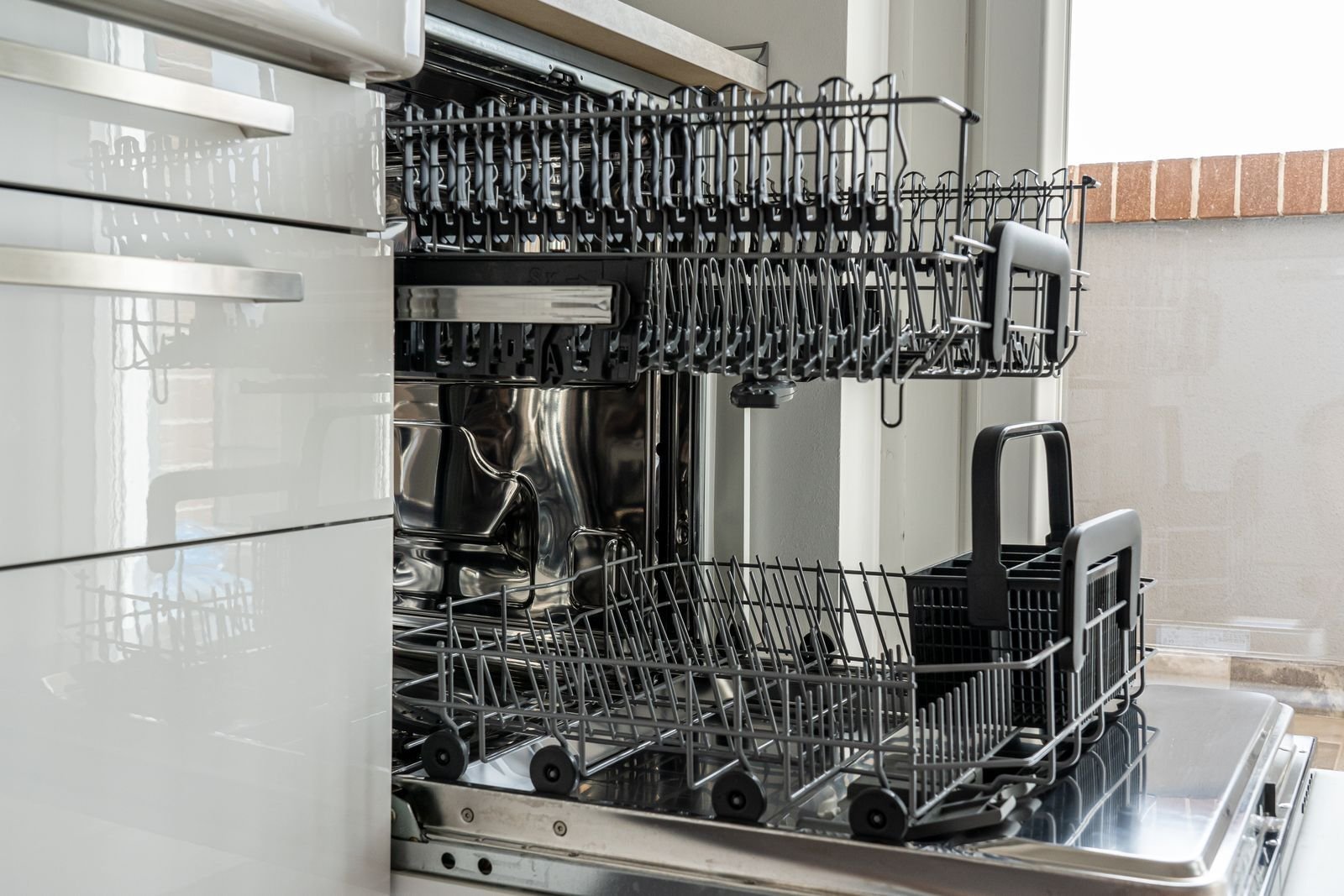
- Dishwasher. Check under the front kick plate for water or rust and look at the supply connection when you replace the unit.
- Refrigerator ice maker. Replace thin plastic tubing with braided line, and do not crush the line when pushing the fridge back.
Appliance leaks are one of the most common causes of water damage we see. If one does get away from you, our appliance leak restoration crews handle extraction and drying under cabinets and floors.
Air conditioning
In a North Texas summer, your AC removes a lot of water from the air. The condensate line carries it outside or to a drain. When algae clogs the line, the pan overflows. The EPA recommends keeping AC drip pans clean and drain lines unobstructed and flowing.
- Flush the condensate line every few months in cooling season. Many homeowners pour a cup of vinegar into the access port.
- Check for a float switch on the pan or line. It shuts the unit off if water backs up.
- Look at the secondary pan under attic units. Water in it means the main drain is failing.
- Get a spring tune-up that includes the drain system.

Roof, gutters and exterior
Denton County gets most of its hail from March through June, with April and May the busiest months. Hail and wind damage often leak weeks later.
- Check the attic after big storms and again after the next heavy rain. Look for wet insulation or dark spots on the decking.
- Clean gutters in spring and fall, and more often under trees.
- Extend downspouts several feet away from the foundation.
- Keep caulk and seals in good shape around windows, doors and exterior penetrations to limit wind-driven rain.
- Trim limbs that hang over the roof.
For a month by month look at storms, see water damage risks during Texas storm season.
Foundation and drainage
Much of North Texas sits on clay soil that swells when wet and shrinks when dry. That movement can stress slabs and the pipes under them. Keep soil moisture steady by grading the yard so water flows away from the house, keeping beds from trapping water against the slab, and fixing sprinkler heads that spray the foundation. Check that yard drains are clear before spring and fall rains.
Freeze prep
Texas homes are built for heat, not long freezes. During Winter Storm Uri in February 2021, DFW spent 139 straight hours below freezing. Before a hard freeze, disconnect hoses, cover hose bibs and the sprinkler backflow preventer, open sink cabinets on exterior walls, drip faucets on vulnerable lines, and keep the heat on. If the power goes out for a long time in extreme cold, shut off the main and drain the lines. Our guide to winter pipe burst risks has the full checklist.
Leak detectors and automatic shutoff valves
Small battery leak sensors cost little and sound an alarm or send a phone alert when they get wet. Put them under sinks, behind the washer and toilet, under the water heater and next to the AC air handler. Whole-home automatic shutoff valves go further: they watch for unusual flow and close the main on their own. Some insurers offer discounts for them, so ask your agent.
A Texas homeowner’s prevention calendar
| Season | Tasks |
|---|---|
| Early spring (March) | Clean gutters, service the AC and flush the drain line, review your insurance, buy flood insurance if needed (NFIP has a 30-day wait), test the main shutoff |
| Storm season (April to June) | Check the attic after every hailstorm and heavy rain, photograph roof and yard damage, keep a tarp on hand |
| Summer (July and August) | Flush the condensate line, check the secondary pan, keep indoor humidity under 60 percent, watch for ceiling stains under attic units |
| Fall (September to November) | Clean gutters again, check yard drainage before October rains, flush the water heater, disconnect hoses before the first freeze |
| Winter (December to February) | Cover hose bibs and the backflow preventer, know how to drip and drain lines, keep heat on when traveling |
| Any time | Replace supply lines and washer hoses on schedule, read the water meter with fixtures off, test leak sensors |
Review your insurance before you need it
Prevention includes knowing what you are covered for. The Texas Department of Insurance explains that most homeowners policies cover sudden and accidental water damage, but not gradual leaks, and not flooding. Sewer backup usually needs an endorsement. Check your deductible, including any separate wind and hail deductible, and ask whether mold coverage is limited.
Damage from a leak that has been dripping for weeks is often excluded as wear and tear or seepage. That is the strongest reason to check under sinks and around appliances regularly: the same leak found early is both cheaper to fix and more likely to be covered.
If you want to see how much a leak can cost when it gets away from you, try our water damage cost calculator. And if a leak has already happened, the mold growth risk calculator shows how quickly conditions in your home could lead to mold. Homeowners in the south part of the county can find local details on our Flower Mound water damage restoration page.
Frequently asked questions
What is the single most effective way to prevent water damage?
Know where your main water shutoff is and make sure it works. Fast shutoff limits almost any plumbing or appliance leak. After that, replace old supply lines and washer hoses.
How often should I replace washing machine hoses?
Many manufacturers suggest about every 5 years for rubber hoses. Braided stainless hoses last longer, but still inspect them yearly for bulges, rust or kinks.
Are water leak detectors worth it?
Yes, especially for water heaters, washers and attic AC units where a leak can run unseen. Smart sensors send alerts to your phone, and automatic shutoff valves can stop the water on their own.
How do I keep my AC from leaking into the ceiling?
Flush the condensate line every few months in summer, make sure a float switch is installed, and check the secondary drain pan under attic units for standing water.
What humidity should I keep my Texas home at?
The EPA recommends keeping indoor humidity below 60 percent, ideally between 30 and 50 percent, to limit mold growth.
If prevention did not stop a leak in time, call (940) 274-9880. Our dispatcher answers 24/7 anywhere in our Denton County service area, and we can start extraction and drying the same day.