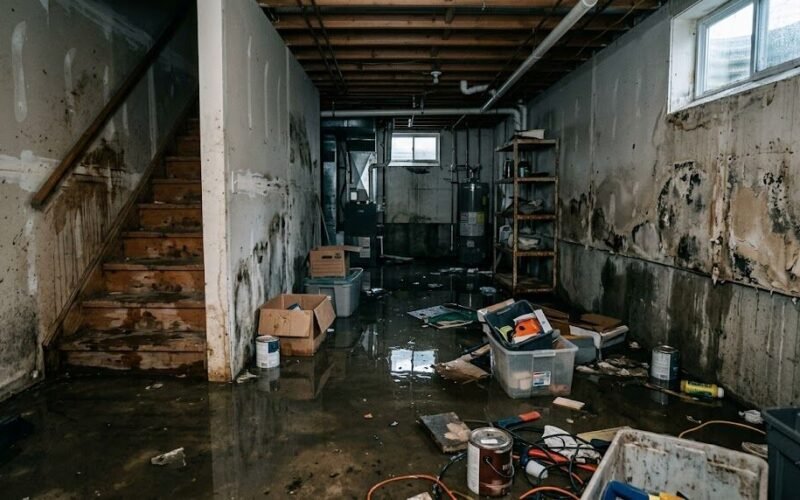
Winter pipe burst risks in Denton homes are low most years and very high in a few. Our winters are mild enough that builders often run water lines through attics, garages and exterior walls, where a long hard freeze can reach them. When the cold lasts several days, as it did in February 2021, pipes that have been fine for 20 years split open all over the county.
This guide covers what Winter Storm Uri taught North Texas, where pipes usually freeze in Denton homes, a simple preparation checklist, and what to do in the first hour if a pipe bursts.
What Winter Storm Uri showed us
Uri was not a normal North Texas cold snap. These numbers come from the National Weather Service in Fort Worth, the Texas Comptroller and local reporting.
| Fact | Detail |
|---|---|
| Coldest reading at DFW | Minus 2 degrees on February 16, 2021 |
| Time below freezing at DFW | 139 straight hours, February 13 to 19, after an earlier 93-hour freeze February 9 to 13 |
| Record cold daytime | On February 15, DFW’s high was lower than the record low for that date |
| Snow at DFW | 5.0 inches |
| City of Denton water system | Boil water notice issued the evening of February 17 after a sudden loss of pressure at several points in the distribution system |
| Statewide power loss | 69 percent of Texans lost electricity at some point from February 14 to 20 |
| Home water damage | 31 percent of Texans surveyed reported water damage to their homes |
The combination is what did the damage. Extreme cold alone is manageable when the heat stays on. During Uri, millions of homes lost power, so the heat went off at the same time temperatures dropped below zero. Pipes that normally stay warm from the living space froze solid.
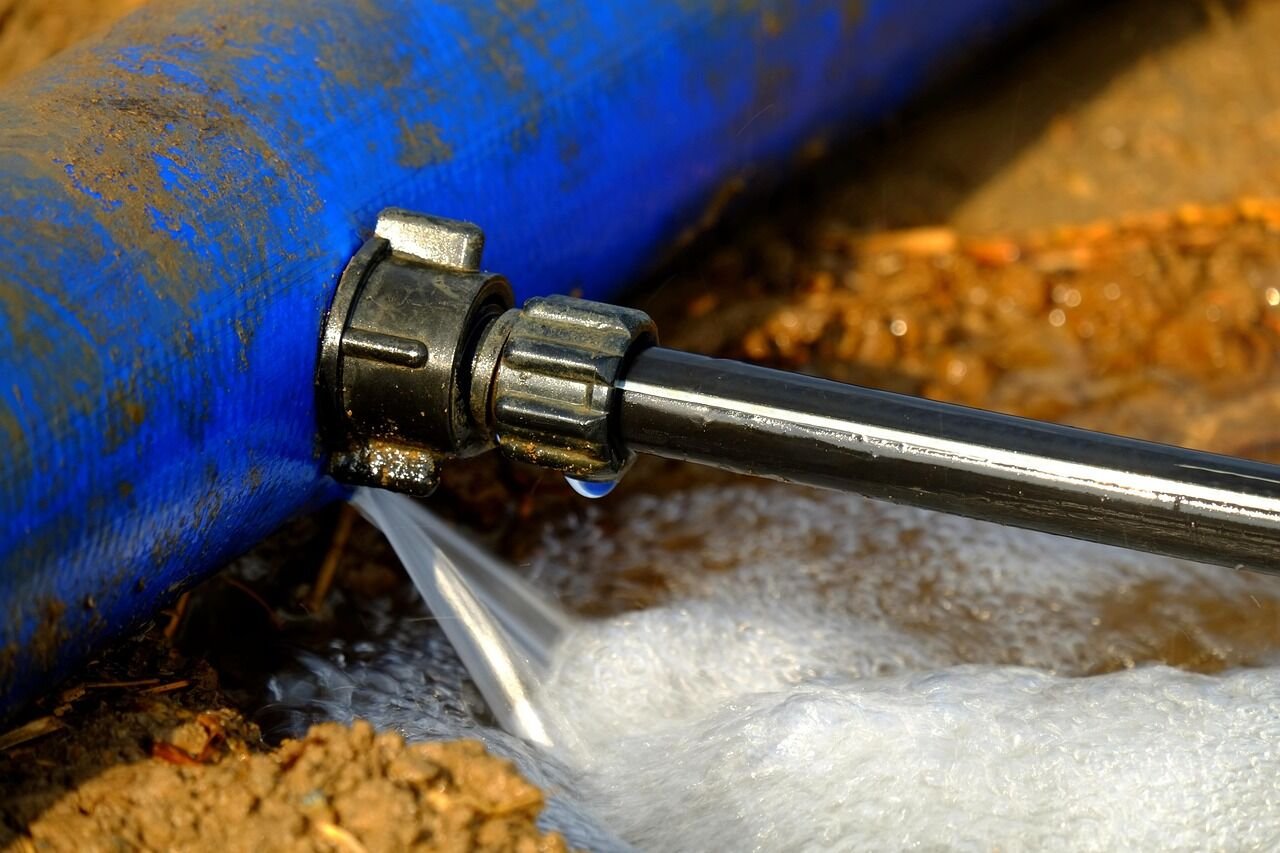
Many homeowners did not find the damage until the thaw. Ice inside a pipe blocks the flow and holds the crack closed. When it melts and the water pressure comes back, the split opens and water runs into the wall or ceiling. That is part of why cities, including Denton, saw pressure drops during the storm: thousands of broken lines were leaking at once.
The Texas Comptroller’s survey found that only 18 percent of people with water damage from Uri thought insurance would cover it. In fact, a sudden burst pipe is the kind of loss most homeowners policies are written to cover. Always report it and let the adjuster decide.
Where pipes freeze in Denton homes
Denton has homes from the early 1900s near the courthouse square and the university area, and large subdivisions built in the last 30 years. The weak spots differ by house, but these are the places we see most often.
- Attic supply lines. Many North Texas homes run water lines through the attic to reach upstairs bathrooms or a second water heater. Attics get nearly as cold as outside.
- Exterior walls. Kitchen sinks on outside walls and bathrooms over garages are classic freeze points, especially where insulation is thin.
- Garage water heaters and lines. Garages are unheated. The supply and hot water lines to the heater, and any line in the garage wall, are exposed.
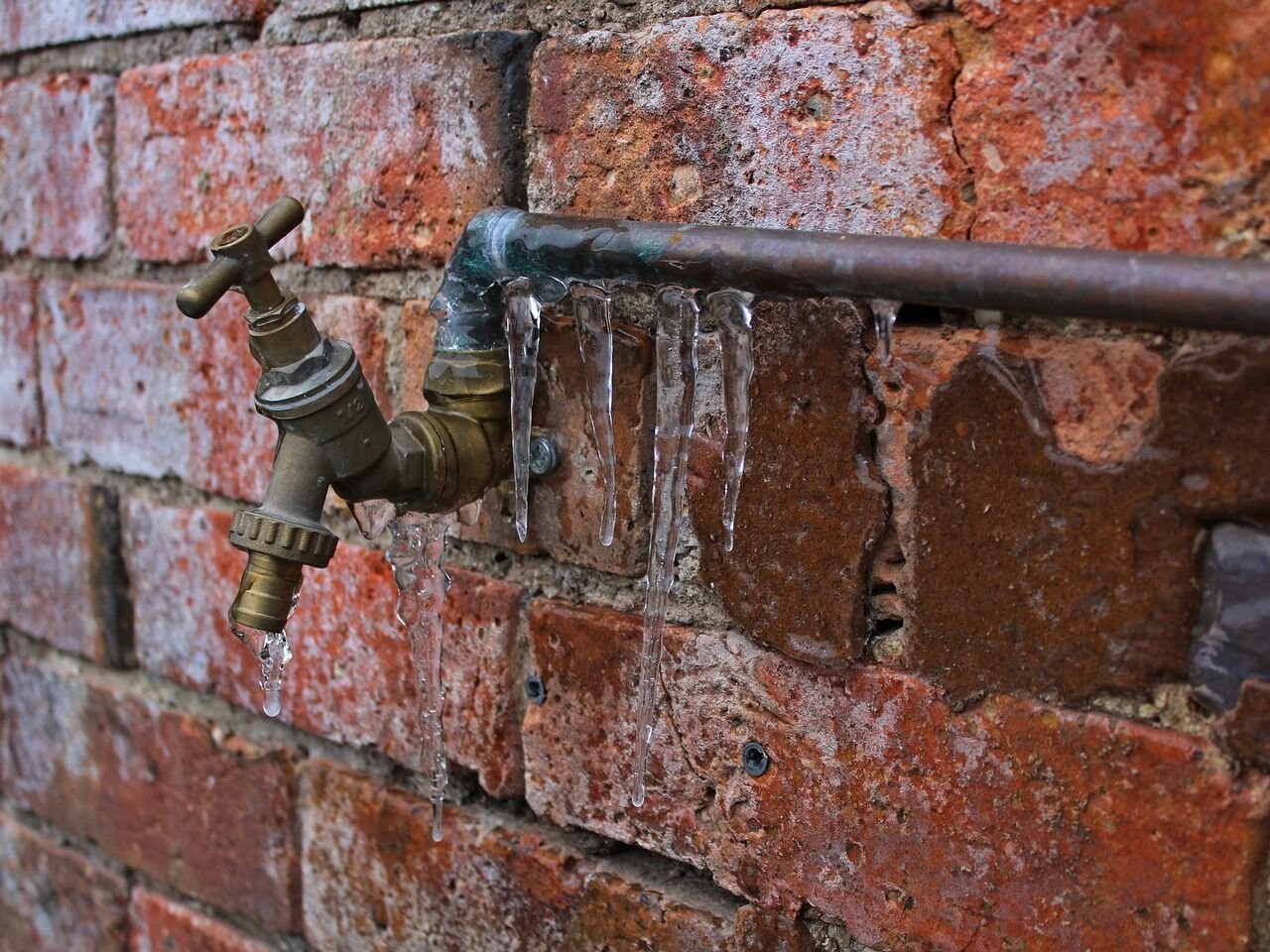
- Hose bibs. Outdoor faucets freeze fast, and a split can extend back inside the wall where you cannot see it.
- Irrigation backflow preventers. Most sprinkler systems in Denton County have an above-ground backflow device. It freezes easily and can crack.
- Pier-and-beam crawlspaces. Older homes near downtown often sit on pier-and-beam foundations with pipes in a ventilated crawlspace under the floor.
Does pipe material matter?
Yes, somewhat. Copper and galvanized steel split when the water inside freezes. CPVC gets brittle in the cold and can crack at fittings. PEX, common in newer homes, stretches more and handles freezing better, but the brass or plastic fittings on PEX lines can still fail. No pipe material is freeze proof if it stays frozen for days.
How to prepare before a hard freeze
North Texas usually gets a few days of warning before a serious cold front. Use that time.
- Find your main shutoff now. In most Denton homes it is in a box near the street by the meter, or where the line enters the house or garage. Make sure you can turn it, and keep a meter key handy if you need one.
- Disconnect garden hoses and cover hose bibs with foam covers.
- Protect the backflow preventer. Shut off the irrigation supply, drain the system if you know how, and wrap the device with an insulated cover.
- Open cabinet doors under sinks on outside walls so warm air reaches the pipes.
- Let faucets drip on the lines most at risk. Moving water is slower to freeze and a dripping faucet relieves pressure.
- Keep the heat on and set to at least the mid 50s, even if you leave town.
- Insulate what you can reach: attic and garage lines with foam pipe sleeves.
- Plan for a power outage. If the power goes out for a long time in extreme cold, shut off the main and drain the lines by opening the lowest faucets.
If a pipe bursts: the first hour
- First 5 minutesShut off the main water valve. If water is near outlets or the ceiling is sagging, stay clear and turn off power at the breaker only if you can do it from a dry spot.
- Minutes 5 to 15Open faucets to drain remaining water from the lines. Move electronics, rugs and furniture out of the wet area.
- Minutes 15 to 30Take photos and video of the break, the water, and every affected room before cleanup.
- Within the hourCall a plumber to repair the line and a restoration company to extract water and start drying. Notify your insurance company.
If a pipe is frozen but not broken, thaw it slowly with a hair dryer or space heater at a safe distance. Never use an open flame. Keep the faucet open so melting water can flow out.
Why the drying is the bigger job
The pipe repair itself is often quick. The water damage is not. Water from a burst line runs down inside the wall cavity, soaks insulation and the bottom plate, and spreads under flooring. Ceiling leaks load the drywall with water and wet the insulation above.
Proper drying starts with moisture mapping to find where the water went, followed by extraction and drying with LGR dehumidifiers and air movers. Sometimes that means opening the lower part of the wall so air can reach the cavity. Our burst pipe water damage crews take daily moisture readings until everything reaches dry standard, and the water mitigation page explains the drying process step by step.
Want a rough budget before you call? Our water damage cost calculator estimates a range based on the wet area, flooring type and drywall height.
Frozen pipes and homeowners insurance
The Texas Department of Insurance lists burst pipes as a typical example of sudden, accidental water damage that most homeowners and renters policies cover. The pipe repair itself may or may not be covered, but the water damage it caused usually is, minus your deductible.
Many policies include a condition for freezing: if the home is vacant or unoccupied, you are expected to keep the heat on or shut off and drain the water system. If you travel in winter, set the thermostat and consider shutting off the main. Report the damage quickly, since TDI notes that hidden water damage usually needs to be reported within days of discovery.
Older homes carry extra risk because of pipe age and crawlspaces. See water damage problems in older Denton homes for more. Homeowners just south of Denton can also find local details on our Corinth water damage restoration page.
Frequently asked questions
At what temperature do pipes freeze in Denton?
Water freezes at 32 degrees, but pipes inside a heated house usually hold up during short dips. The danger is several hours to days below freezing, especially for pipes in attics, garages and exterior walls, or when the power goes out.
Should I drip my faucets during a freeze?
Yes, on faucets fed by pipes in exterior walls or the attic. A slow drip keeps water moving and relieves pressure if ice forms. If your city asks residents to limit dripping to protect water pressure, follow that guidance.
Why did so many pipes burst during the thaw instead of the freeze?
Ice blocks the pipe and holds a crack closed. When it melts and pressure returns, water flows out of the split. Many leaks were discovered only when temperatures rose.
Is PEX pipe freeze proof?
No. PEX tolerates freezing better than copper or CPVC because it can expand, but fittings and connections can still crack, and long freezes can damage any material.
Does insurance cover a pipe that burst while I was out of town?
Often yes, if you kept the heat on or drained the system as your policy requires. Policies can limit coverage for freezing in unoccupied homes, so read that section and call your agent.
If a frozen pipe has burst in your Denton home, shut off the main and call (940) 274-9880. Our dispatcher answers 24/7 and can send a crew to extract water, map the moisture and start drying the same day.