The most common water damage problems in older Denton homes come from parts that have simply worn out: galvanized supply pipes that corrode from the inside, cast iron drains that crack, crawlspaces that trap moisture, and roofs and windows that have been patched more than once. None of these fail all at once. They leak slowly, and the damage builds for months before anyone sees it.
Denton has a lot of older housing. Close to the courthouse square and the university area you find early 1900s Craftsman bungalows and Queen Anne homes, while mid-century ranches and 1970s and 1980s subdivisions fill in much of the rest of the older city. This guide explains the problems we see by era and what to check before they turn into a claim.
Denton’s older neighborhoods
The city has several designated historic districts. The Oak-Hickory Historic District, adopted in 1985, includes about 70 buildings along Oak, Hickory, Denton and Mounts streets, with Queen Anne, Prairie, Craftsman and Revival styles. The West Oak Area Historic District (2008) adds about 89 buildings, and the Bell Avenue Historic District (2019) covers 28 Craftsman and Ranch homes on winding streets shaped by Cooper Creek. The West Denton Residential district, a half mile west of the square, is listed on the National Register and includes many modest bungalows and garage apartments.
Beyond the districts, neighborhoods like Southridge were built after World War II, and large parts of Denton filled in during the 1970s and 1980s. Each era has its own plumbing, foundation and roofing habits, which is why the leak risks differ.
Water damage risks by building era
| Era | Typical construction | Common water problems |
|---|---|---|
| Before about 1950 | Pier-and-beam foundation, wood floors, galvanized steel supply lines, cast iron or clay drains | Corroded supply pipes, cracked drain lines, crawlspace moisture, rotted subfloor under bathrooms |
| 1950s to 1970s | Mix of pier-and-beam and early slabs, galvanized or copper supply, cast iron drains | Pinhole leaks, drain line cracks under slabs, original water heater locations with no drain pan |
| Late 1970s to mid 1990s | Slab foundations, some polybutylene supply lines, copper in others | Polybutylene fitting failures, slab leaks, aging shower pans, original windows |
| Mid 1990s and later | Slab, CPVC or PEX supply, PVC drains, attic HVAC | Supply line and fitting failures, AC condensate overflow in attics, first roof replacements |
These are general patterns, not rules. Many older homes have been partly re-plumbed, and the only way to know what you have is to look at exposed pipes under sinks, at the water heater and in the crawlspace or attic.
1. Galvanized supply pipes
Galvanized steel was the standard water pipe in older homes. It corrodes from the inside over decades. Early signs are low water pressure, rusty or brown water after the faucet sits, and small leaks at threaded joints. When a galvanized pipe finally fails inside a wall, it often leaks for a while before anyone notices. If your home still has galvanized lines, budgeting for re-piping is usually cheaper than a series of water damage repairs.
2. Cast iron and clay drain lines
Drain and sewer lines in older homes are often cast iron inside the house and clay tile outside. Cast iron can crack or rust through along the bottom of the pipe. Clay sewer lines crack and let tree roots in. Denton’s older neighborhoods have mature pecan and oak trees, and roots find joints in old sewer lines.
The result is slow drains, sewer smells, or a backup into a tub or floor-level drain. A leaking drain under a pier-and-beam house soaks the crawlspace. Under a slab, it can go unnoticed for a long time. A camera inspection of the sewer line is a smart step when buying an older home.
3. Polybutylene supply lines
Polybutylene is a gray, flexible plastic pipe used in many homes built from the late 1970s to the mid 1990s. It has a track record of failing without warning, often at the fittings. It is usually stamped PB2110 and shows up near the water heater or under sinks. Some insurers ask about it when writing a policy. If you find it, plan to replace it.
4. Pier-and-beam crawlspaces and slab movement
Many of the oldest homes in Denton sit on pier-and-beam foundations. The space under the floor is supposed to stay ventilated and dry. When a supply line or drain leaks there, or when rain drains toward the house, the crawlspace stays damp. Over time, that moisture rots sill plates and joists, makes floors soft and bouncy, and can feed mold under the house.
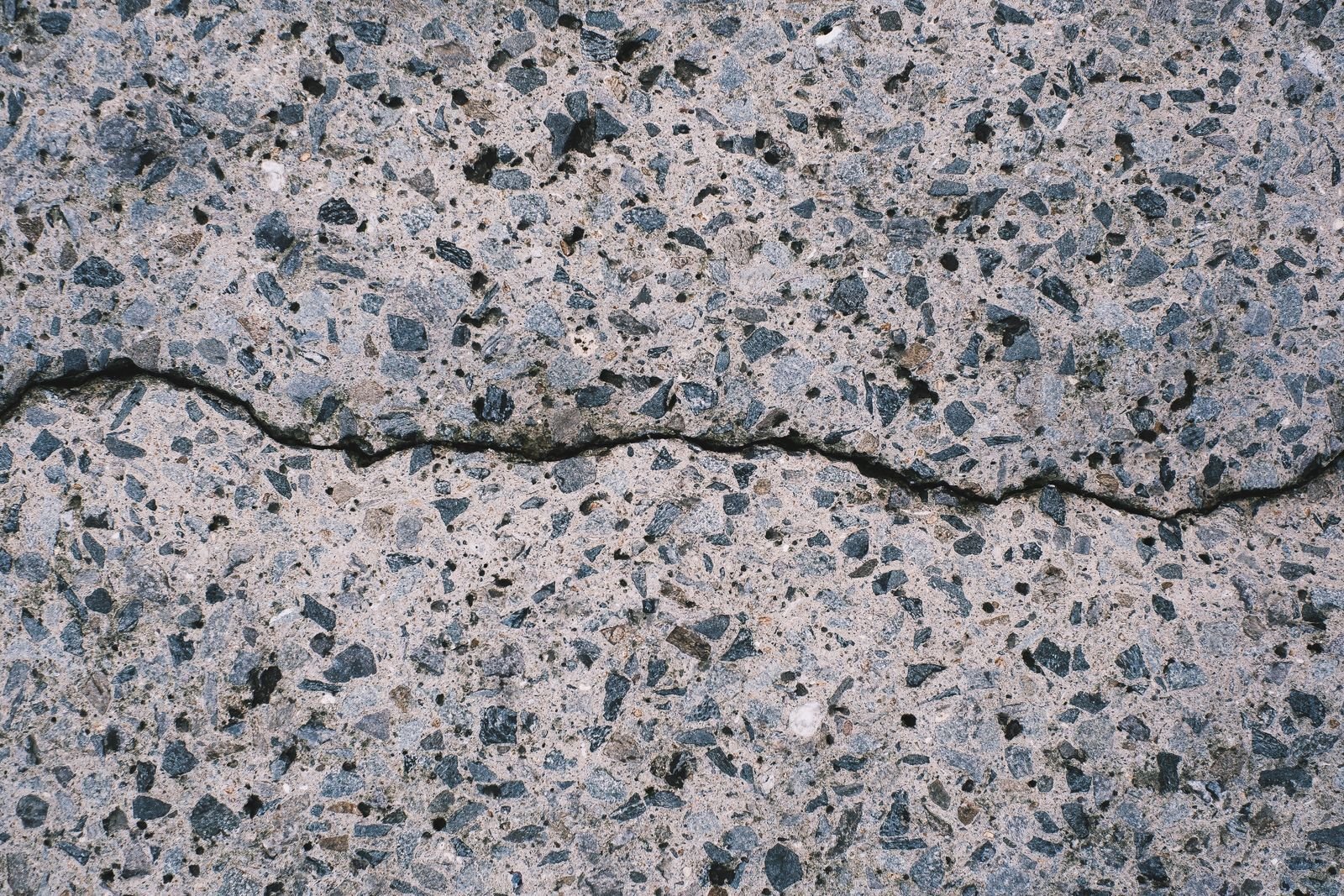
Slab homes have a different issue. North Texas clay soil swells when wet and shrinks when dry. That movement stresses the slab and the pipes running under it, which is one reason slab leaks are common in homes built from the 1970s onward. Keeping soil moisture steady around the foundation helps, and so does fixing drainage that sends roof water to the slab.
5. Roofs, flashing and windows
Older homes often have several layers of repairs: roofs that have been replaced after hail, flashing that was reused, and original wood windows. Water gets in at chimneys, valleys, dormers and around window frames, especially during wind-driven rain. Attics in older homes may have little ventilation, so a small leak soaks the insulation and ceiling below.
If your home is in a local historic district, check with the city before replacing exterior features like windows or siding, since exterior changes may need review. Emergency tarping and interior drying do not wait for that review.
6. Showers, water heaters and old fixtures
Tile showers in older homes often have a mortar bed and a shower pan liner underneath. When the liner fails, water seeps into the subfloor and nearby walls, and the first sign might be a stain in the ceiling below or loose tile. Older water heaters sometimes sit in closets or on wood platforms without a drain pan. Worn shutoff valves may not close when you need them.
A yearly checklist for older Denton homes
- Identify your pipes. Look under sinks and at the water heater. Note galvanized, polybutylene, copper, CPVC or PEX.
- Test every shutoff valve. Replace any that are stuck or leak when turned.
- Check the crawlspace for standing water, damp soil, sagging insulation or a musty smell.
- Watch floors for soft spots near bathrooms and the kitchen.
- Check the attic after heavy rain for wet insulation or stains on the decking.
- Look at the water heater. Add a drain pan if it lacks one, and replace a tank showing rust.
- Keep gutters clear and extend downspouts away from the foundation.
- Schedule a sewer camera inspection if drains are slow or trees are near the line.
Ask the seller about past water damage and insurance claims, and ask your inspector to note pipe types, drain materials and any crawlspace moisture. Moisture readings on walls next to bathrooms and exterior doors are a quick check that can reveal hidden leaks.
When an older home does leak
Older homes take a little more care during drying. Hardwood floors can cup and may be saved with specialized drying if work starts quickly. Plaster walls dry differently than drywall. Crawlspaces need their own drying setup. Our residential water damage restoration crews use moisture mapping and thermal imaging to find water in walls, floors and crawlspaces before choosing what to dry and what to remove.
Frozen pipes are a special risk in older homes with crawlspaces and exterior wall plumbing. Our guide to winter pipe burst risks explains how to prepare. If you want a rough idea of repair costs before calling anyone, try the water damage cost calculator. For details about service in the city, see our Denton water damage restoration page.
Frequently asked questions
How do I know if my older home has galvanized pipes?
Look at exposed pipes near the water heater or under sinks. Galvanized pipe is dull gray metal with threaded fittings. A magnet will stick to it, unlike copper. Low pressure and rusty water are common signs.
Is polybutylene pipe common in Denton?
It was used in many homes across the country built from the late 1970s to the mid 1990s, so some Denton homes from that era have it unless they were re-piped. It is gray plastic, often stamped PB2110.
Can water damage in a crawlspace be dried?
Yes. Crawlspaces are dried with targeted dehumidifiers and air movers after standing water is removed. Wet insulation under the floor usually has to come out, and the leak source must be fixed first.
Can cupped hardwood floors be saved after a leak?
Often, if drying starts quickly. Floor drying systems pull moisture from the boards and subfloor. Boards that have buckled or stayed wet too long may need replacement.
Does insurance cover damage from old, corroded pipes?
A sudden burst is usually covered, but damage from long-term leaks and wear often is not. Replacing old pipes before they fail avoids that gray area.
If your older Denton home has a leak, a soft floor or a musty crawlspace, call (940) 274-9880. Our dispatcher answers 24/7, and we can inspect, find the moisture and explain your options before any work starts.