Water heaters, washers, dishwashers · Justin, TX
Appliance Leak Restoration in Justin, TX
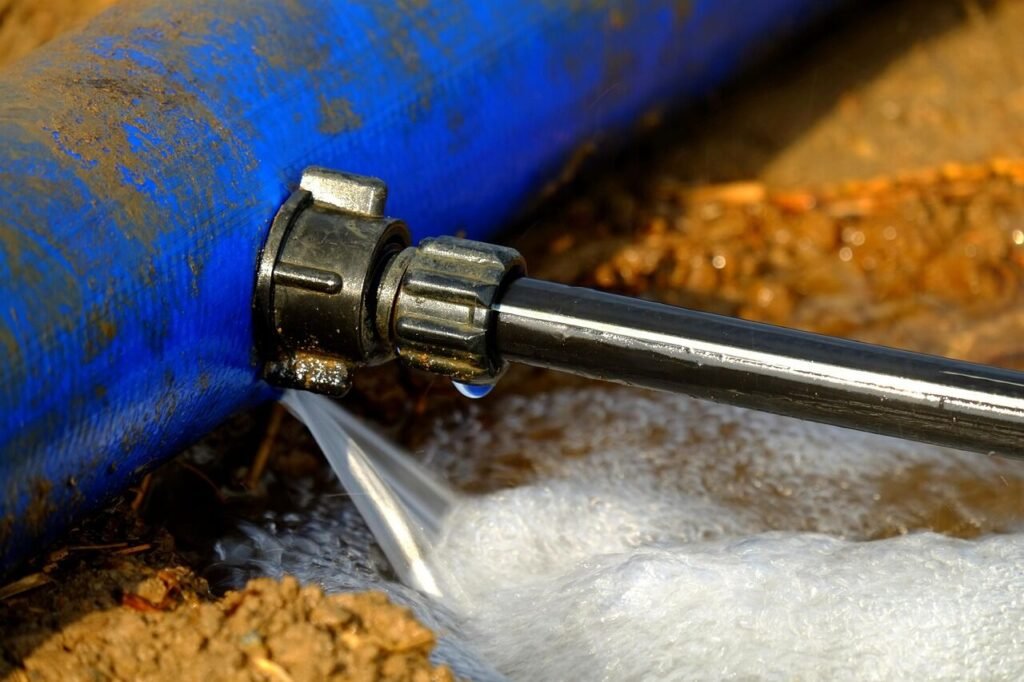
Appliance leaks are quiet. A drip under a dishwasher or a slow attic pan overflow can run for days before anyone sees it. We handle appliance leak restoration in Justin, TX, from finding hidden water to rebuilding cabinets and ceilings.
- Hidden moisture detection
- Cabinet and toe-kick drying
- Ceiling and attic drying
- Insurance help
Before you call
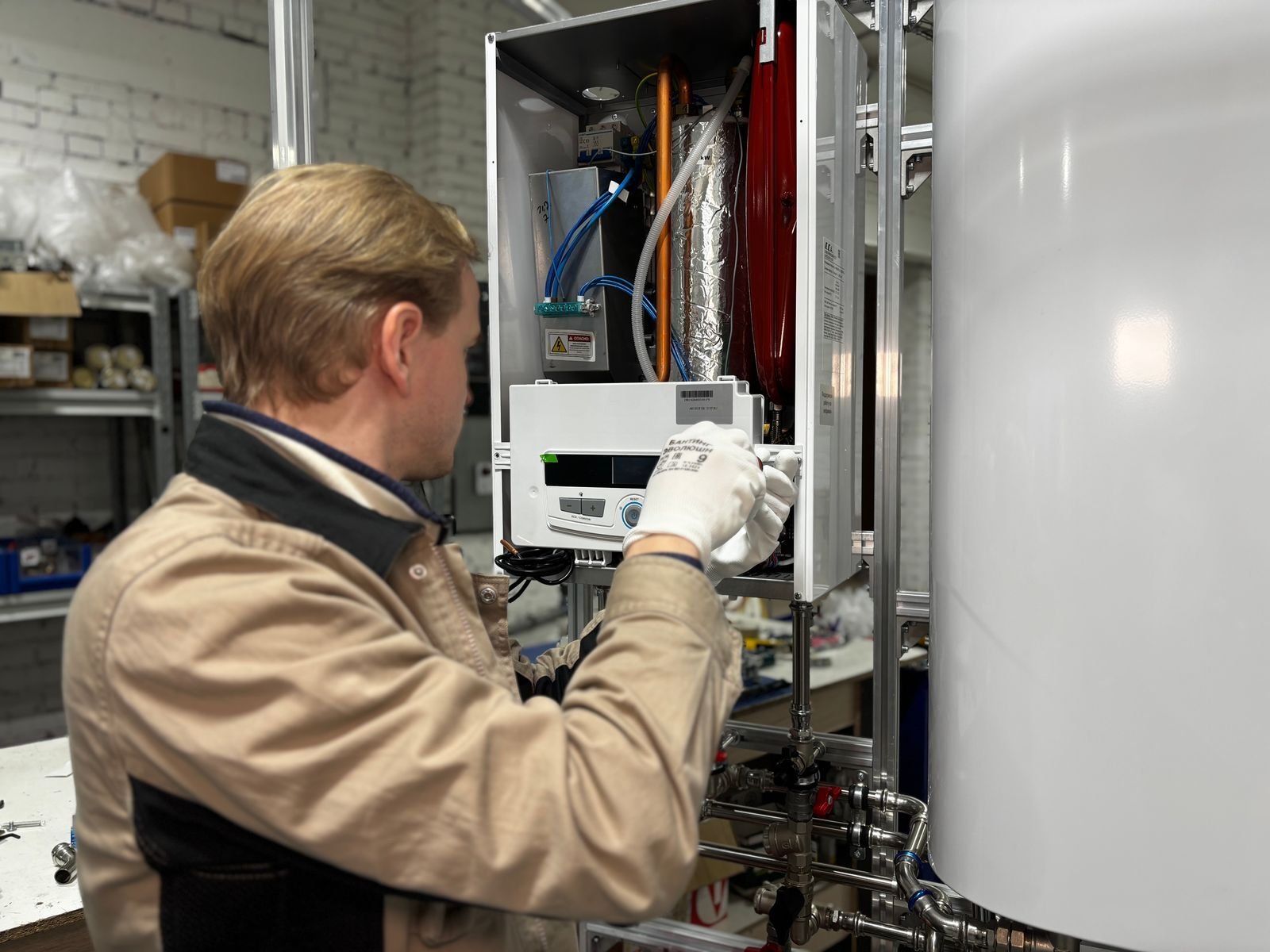
- Water heater: close the cold inlet valve and cut power or gas
- Washer: close both valves behind the machine
- Dishwasher: close the valve under the sink
- Fridge: close the ice maker line valve
Then call (940) 274-9880.
Why appliance leaks are common in newer Justin homes
Half of Justin’s homes were built in 2010 or later. That is good news for pipes, but many appliances in those homes are now reaching the age when hoses, valves, and tanks start to fail. Standard tank water heaters often last about 8 to 12 years, and rubber washer hoses can crack in less time.
Layout matters too. Newer plans often put the water heater in the attic or garage and the laundry room upstairs. A leak there does not stay in one room. It runs down through ceilings and walls, which is why we treat every appliance leak as a whole-house search until the meters say otherwise.
Where water goes
Appliance leak sources and hidden damage
| Appliance | Usual failure | Where the water hides | Water category |
|---|---|---|---|
| Attic water heater | Tank rust-through, blocked pan drain | Insulation, ceiling drywall, top plates of walls | Category 1 |
| Garage water heater | Relief valve or tank leak | Garage slab, shared wall with the house | Category 1 |
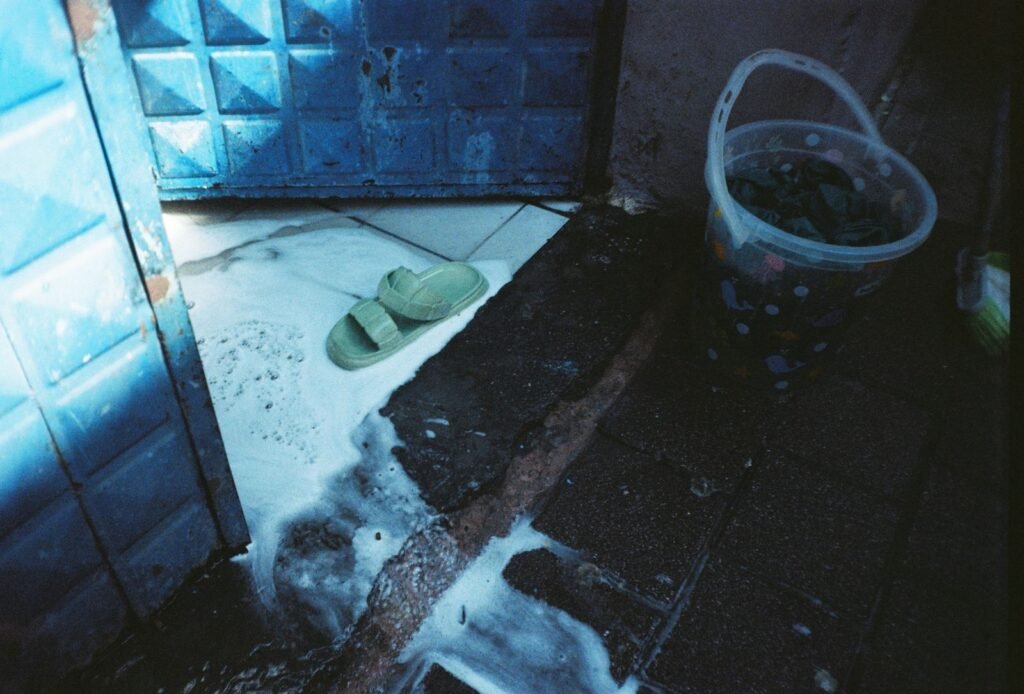
| Upstairs washer | Burst fill hose, drain overflow | Subfloor, ceiling below, wall cavities | Category 2 |
| Dishwasher | Door seal, drain line, supply fitting | Under cabinets, toe-kick, subfloor | Category 2 |
| Refrigerator | Cracked ice maker line | Under the fridge, flooring seams | Category 1 |
| AC air handler | Clogged condensate line, rusted pan | Attic insulation, hallway ceiling | Category 2 |
The service
What appliance leak restoration involves
We start at the appliance and work outward with moisture meters and thermal imaging. Kitchen leaks often spread under cabinets and floating floors, so we check behind toe-kicks and pull base trim when needed.
For attic leaks we check insulation, ceiling drywall, and the rooms below. Wet blown insulation usually needs to come out, since it packs down and holds water against the ceiling.
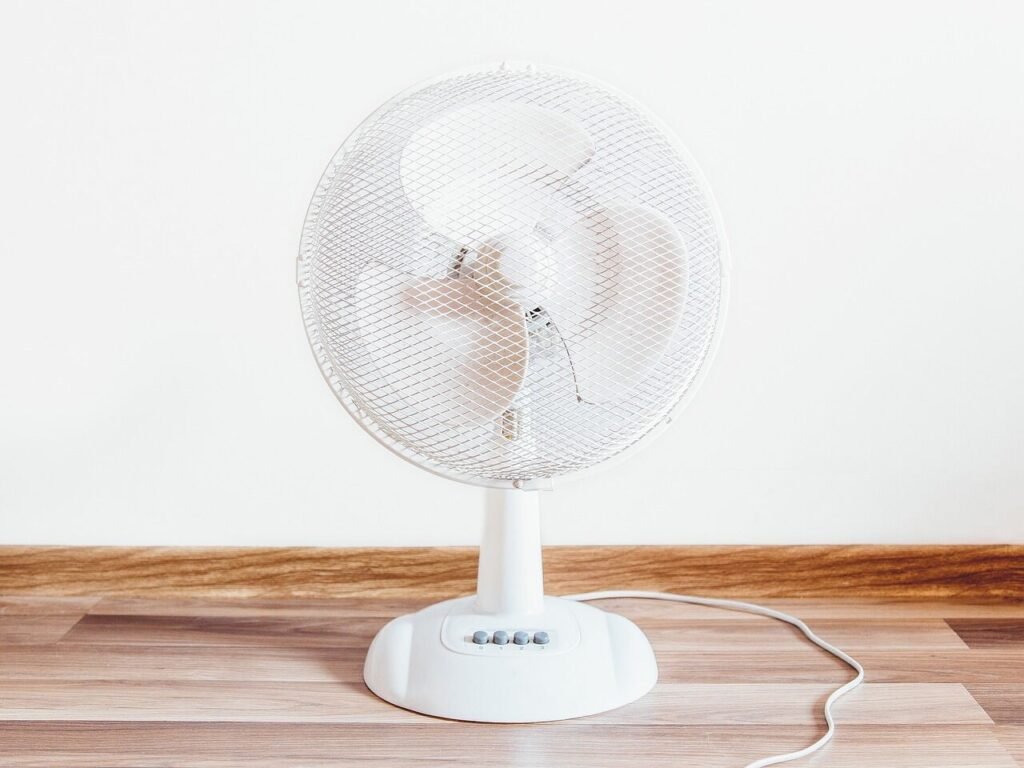
Then we dry with air movers, dehumidifiers, and cavity drying systems, log readings daily, and rebuild what was removed. Cabinets can often be saved if we get to them early.
Insurance and cost factors for appliance leaks
Most homeowners policies cover sudden appliance failures, like a hose that bursts. They usually do not cover the appliance itself or damage from a slow leak that went on for weeks. The line between sudden and gradual matters, so photos and moisture readings help. Your policy wording decides.
Costs depend on how long the leak ran, whether it reached ceilings or cabinets, and the flooring. A dishwasher leak caught in an hour is a small job. An attic heater that leaked all weekend can involve two floors. Try our water damage cost calculator for a range.
If the water heater needs replacing, Justin’s permit office publishes a guide for water heater installs. Your plumber can handle any permit through the city’s online portal.
Why we are a good fit
- We find the hidden part. Thermal imaging shows water behind cabinets and above ceilings.
- We save what we can. Early drying often keeps cabinets and hardwood.
- We finish the job. Ceiling, trim, and floor repairs included.
Prevention
Simple checks that stop the next appliance leak
Water heater pan and drain
Look at the pan under an attic or garage heater twice a year. Pour a cup of water in to be sure the drain line runs freely to the outside.
AC condensate line
In summer the air handler makes gallons of water a day. Flush the line with a vinegar solution each spring, and ask your HVAC tech about a float switch that shuts the unit off if the pan fills.
Leak sensors
Small battery sensors under the sink, behind the washer, and in the heater pan send an alert to your phone. They cost little and can turn a weekend leak into a small one.
Shutoff valves
Turn each appliance valve off and on once a year so it does not seize. A stuck valve is the last thing you want during a leak.
More services
Other Justin water damage services

See our appliance leak restoration service page, or head back to the Justin restoration hub. Appliance leak help is also available in Northlake, Argyle, and Denton.
FAQ
Appliance leak FAQ
My attic water heater leaked. Is the ceiling ruined?
Not always. If the drywall is still firm and flat, we can often dry it in place. Sagging or stained drywall usually needs replacing, and wet insulation above it comes out.
How do I know if my dishwasher has been leaking for a while?
Look for soft or lifting flooring near the dishwasher, a musty smell from the sink cabinet, or swelling at the cabinet base. We can confirm with a meter.
Should I replace my washer hoses?
Braided stainless hoses are a cheap upgrade over rubber. Many manufacturers suggest replacing hoses every 5 years. Turn the valves off if you leave town.
Is water from a washer leak dangerous?
Washer and dishwasher water is usually Category 2 because it carries soap, food, or body soils. It is not sewage, but porous materials it soaks often need more cleaning or removal than clean-water leaks.
Will you replace the appliance?
No. We handle the water damage. A plumber or appliance tech repairs or replaces the unit, and we can work around their schedule.