Emergency extraction and drying · Carrollton, TX
Water Mitigation in Carrollton, TX
Water mitigation in Carrollton, TX is the emergency part of the job: stop the spread, pull out the water, and dry the building before mold and warping set in. We start the moment the crew walks in.
- 24/7 water extraction
- LGR dehumidifiers
- Daily moisture logs
- Claim-ready photos
Mitigation at a glance
- Goal: stop damage from growing
- Typical arrival: 60 to 90 minutes from Denton
- Typical drying time: 3 to 5 days
- Standard we follow: IICRC S500
Call (940) 274-9880. A live dispatcher answers every call.
Mitigation versus restoration
Mitigation is everything that keeps a water loss from getting worse. Restoration is the repair work after it. Insurers expect you to mitigate quickly, and most policies say so in the duties after a loss section.
In practice, water mitigation in Carrollton TX covers water extraction, removal of materials that cannot dry, antimicrobial treatment where needed, and structural drying with daily monitoring. Once the building is dry, our rebuild team can take over the repairs.
Our base is in Denton, about 25 miles up I-35E. We typically reach Carrollton in 60 to 90 minutes. While the crew drives, the dispatcher helps you do the things that make the biggest difference.
Hour by hour
How water damage grows if nobody stops it
This is why fast mitigation saves money.
- First hourWater spreads across floors and under baseboards. Drywall starts wicking it upward. Carpet pad soaks through.
- Hours 1 to 24Particleboard cabinets swell, paint bubbles, and furniture stains carpet. Humidity climbs inside the house.
- Hours 24 to 48Mold can start on damp drywall and wood. A musty smell shows up. Hardwood begins to cup.
- After 48 hoursClean water can turn into gray water. Demolition grows, drying takes longer, and insurers may ask why it waited.
- After a weekSubfloors, framing, and trim may need replacement. Mold remediation is often part of the job by now.
On site
What our Carrollton water mitigation service does
Inspect
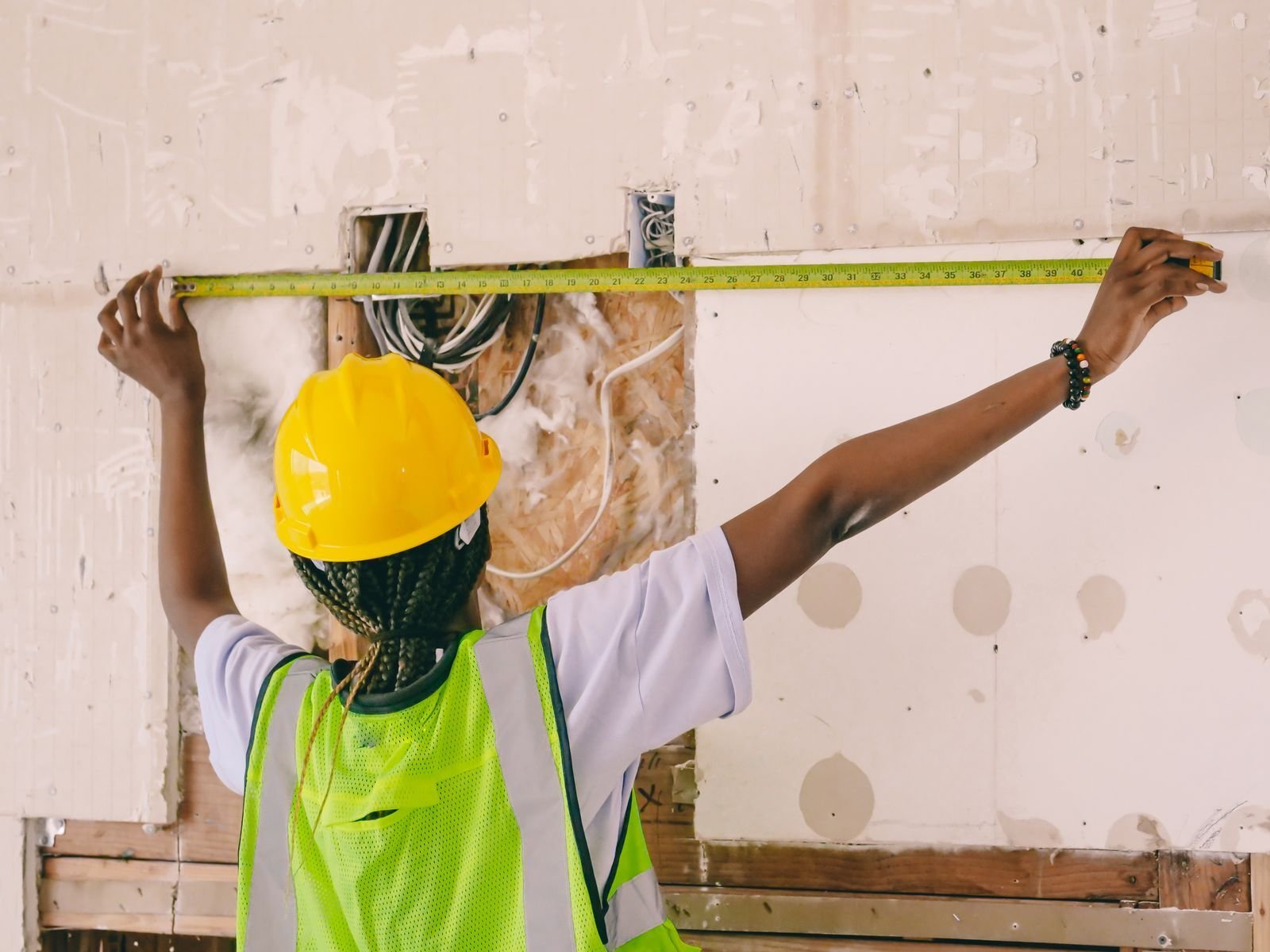
Moisture meters and thermal imaging show where water went. We classify the water and set a drying goal for each material.
Extract
Truck-mount or portable extractors pull water from carpet, tile, and concrete. Wet pad and swollen drywall come out.
Dry and verify
Air movers and LGR dehumidifiers run while we take readings every day until materials are back to normal.
Drying science
How we dry a slab home in Carrollton’s climate
Carrollton has a humid subtropical climate, so outside air rarely helps with drying.
| Material | How it holds water | Our drying approach |
|---|---|---|
| Concrete slab | Absorbs slowly, releases slowly | Remove flooring when needed, dehumidify, and track slab readings for several days |
| Drywall | Wicks water up from the floor | Flood cut or drill vent holes, then direct airflow into the cavity |
| Carpet and pad | Pad acts like a sponge | Remove pad, float or lift carpet, dry both sides |
| Hardwood | Cups as boards swell | Specialty floor mats and close monitoring |
| Cabinets | Particleboard swells and stays swollen | Remove toe kicks, dry the cavity behind, replace swollen boxes |
We keep windows closed during drying. On a humid Texas day, open windows add moisture instead of removing it.
What slows drying in Carrollton buildings
Most Carrollton homes sit on concrete slabs, and many date from the 1970s and 1980s. Older slabs often have vinyl or tile glued directly to the concrete, and moisture trapped under it dries slowly. We test under the flooring and tell you whether it can stay or should come up.
Two-story homes and apartments add another layer. Water from an upstairs bathroom or laundry room runs through the floor framing into the ceiling below. We open small inspection holes where needed so the cavity between floors can dry, instead of waiting for a stain to spread.
Mitigation costs and your insurance
Cost depends on the size of the wet area, how long the water sat, the water category, and the number of drying days. The sooner mitigation starts, the fewer materials have to be replaced. Try our water damage cost calculator for a rough range, or the emergency severity calculator if you are deciding how urgent your situation is.
Most homeowners policies expect you to take reasonable steps to prevent more damage. Emergency mitigation is often part of a covered claim when the cause was sudden and accidental, but your policy decides. We work with all carriers and supply the readings and photos adjusters look for.
Why call us for mitigation
- Live dispatch that helps you stop the water before the truck arrives.
- Commercial-grade gear, including truck-mount extractors and thermal cameras.
- Mitigation and rebuild from the same company, so nothing falls through the cracks.
More services in Carrollton
Related Carrollton services
Learn more on our water mitigation service page or the Carrollton hub page. Nearby, we also provide water mitigation in Coppell, Lewisville, and Flower Mound.
FAQ
Water mitigation questions in Carrollton
Who pumps out a flooded basement in Carrollton?
We do. Basements are rare in Carrollton since most homes sit on slabs, but we also pump out flooded garages, crawlspaces, and commercial lower levels, then dry the structure.
Can I just use box fans and a shop vac?
For a small spill on tile, yes. Once water is under flooring, inside walls, or on more than one room, household fans cannot remove enough moisture. Hidden wet materials lead to mold.
Why do you remove my carpet pad?
Pad soaks up water like a sponge and rarely dries fully in place. Replacing it is cheaper than drying it, and it protects the carpet and subfloor.
How loud is the drying equipment?
Air movers and dehumidifiers make steady fan noise, a bit like a window AC unit. Most people get used to it within a day.
Should I run my AC during drying?
Usually yes. The AC helps pull humidity from the air. We will adjust the thermostat setting to help our dehumidifiers work best.