Mold after leaks and floods · Coppell, TX
Mold Removal After Water Damage in Coppell, TX
If a leak was not dried quickly, mold usually follows. We provide mold removal after water damage in Coppell, TX by drying the source area, removing affected materials under containment, and rebuilding the room.
- Moisture source traced
- Containment and HEPA cleanup
- Drying and rebuild
- Claim documentation
When mold follows water
- Growth can start: 24 to 48 hours after materials get wet
- Common Coppell sources: attic AC pans, shower pans, supply lines
- Standard used: IICRC S520
- Our arrival: typically 60 to 90 minutes
Call (940) 274-9880 to schedule or for an active leak.
Mold damage restoration in Coppell starts with the water
Mold removal after water damage is different from treating an old musty corner. There is a known water event, often still-wet materials, and a clear line between affected and unaffected areas. That makes the job more predictable, as long as the moisture is dealt with first.
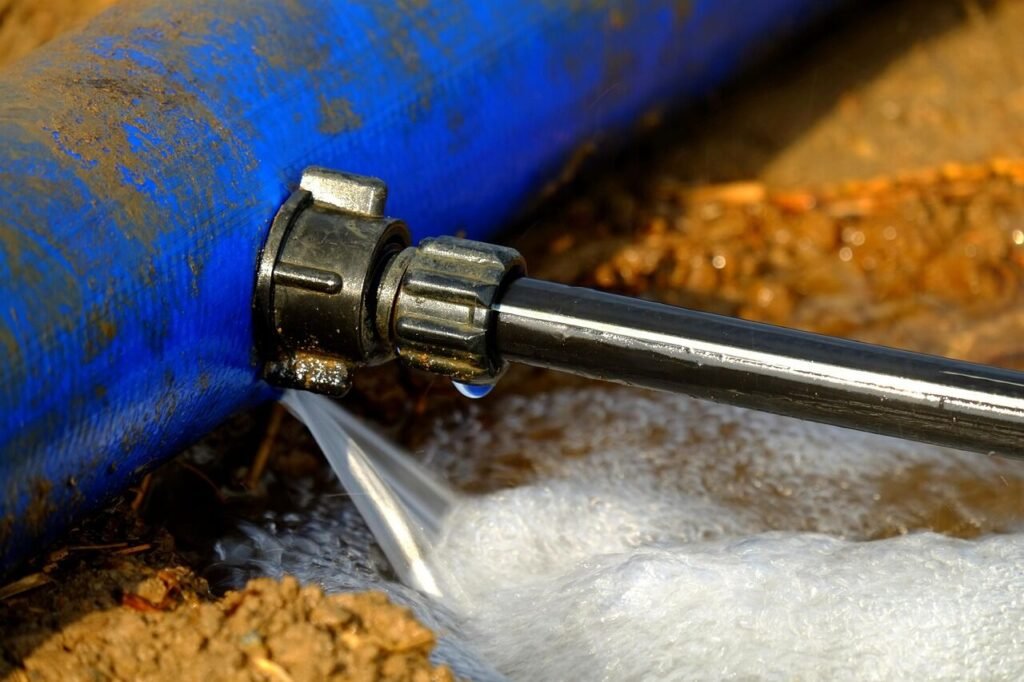
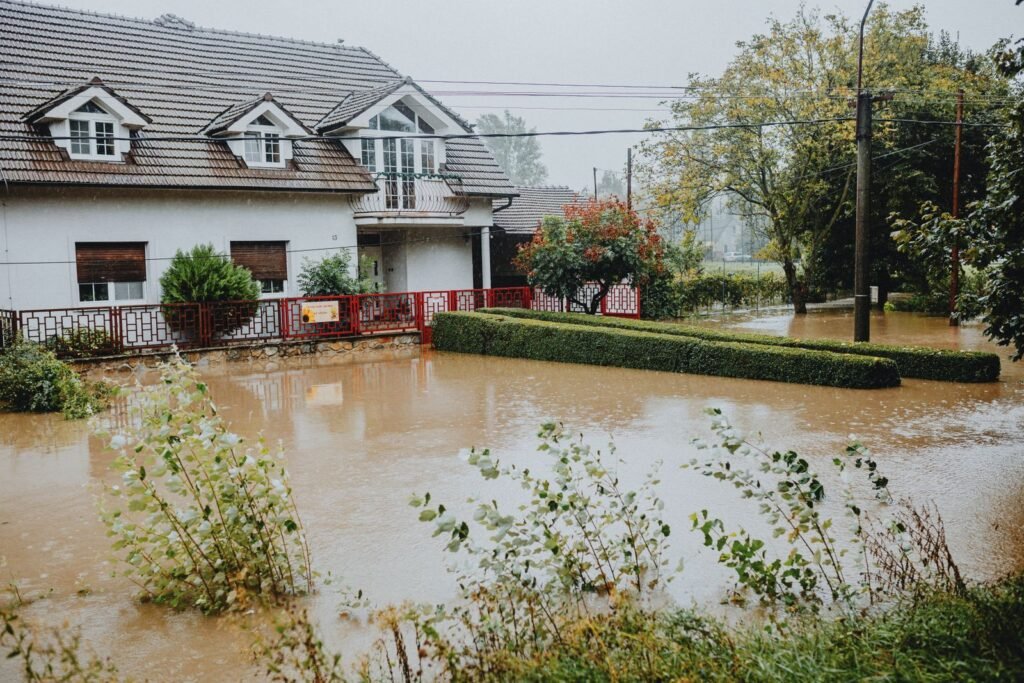
In Coppell homes it most often follows attic condensate leaks in two-story homes, slow shower pan failures, and pipe breaks that were dried with fans only. Freeze breaks like the ones in February 2021, when the city fielded about 750 water calls in four days, can leave hidden wet walls that turn into mold weeks later.
How it develops
From leak to mold: a typical timeline
- Hours 0 to 24Materials soak up water. Fast extraction and drying usually prevent mold entirely.
- Hours 24 to 48Spores on damp drywall paper, carpet backing, and wood begin to grow.
- Days 3 to 7Musty smell appears. Spots may show on baseboards or the back of drywall first.
- Weeks laterGrowth spreads inside wall cavities and under flooring. Removal area gets larger.
What we do
Our mold removal process after a water loss
- Confirm the source is fixed. A plumber or HVAC tech repairs the leak if it is still active.
- Set containment. Plastic walls and negative air keep spores in the work area.
- Remove affected materials. Moldy drywall, insulation, and pad are bagged inside containment.
- Clean framing. HEPA vacuum, wipe, and treat studs and subfloor with an antimicrobial.
- Dry to target. Dehumidifiers run until readings are back to normal.
- Rebuild. New drywall, paint, and flooring.
Quick guide
Signs you need mold removal, not just drying
You see growth
Visible spots on drywall, baseboards, or cabinet backs mean removal, not just fans.
A musty smell lingers
Odor days after a leak points to growth inside the wall or under flooring.
The leak ran for days
Anything wet longer than 48 hours is likely to need some material removed.
Dirty water was involved
Flood or sewage water adds bacteria as well as mold, so porous items go.
Where post-leak mold hides in Coppell homes
In North Texas houses like these, the same hiding spots come up again and again:
- Top side of upstairs ceilings. Attic condensate leaks wet the drywall and insulation from above, so growth starts where you cannot see it.
- Behind the vanity and toilet. Supply line drips run down the back of cabinets.
- Under laminate and wood floors. Water spreads under click-lock planks and stays trapped.
- Garage walls next to the water heater. The drywall shared with the house soaks up tank leaks.
- Exterior walls after a freeze. Split pipes in outside walls leak into insulation first.
Insurance and cost for mold after water damage
Coverage depends on the water event. If mold came from a sudden, covered leak, many policies cover removal, sometimes with a mold limit. Mold from a long-term leak, humidity, or flooding without flood coverage is often excluded. Photos, dates, and our moisture readings help show what happened.
Cost depends on the affected area, the materials removed, HVAC involvement, and the rebuild. Larger jobs in Texas, 25 contiguous square feet or more, generally need an independent assessor’s protocol first. Estimate your risk with the mold growth risk calculator, and read why Texas heat speeds up mold growth.
Why Coppell homeowners choose us
We handle the water side and the mold side together, so the cause and the growth are fixed in one project. IICRC-certified techs, HEPA air scrubbers, and negative air machines are standard on every job, and we can rebuild once clearance is reached.
Also in Coppell
Related services in Coppell
See our mold removal after water damage service, the Coppell mold remediation page for older or larger mold problems, or the Coppell city page. We also serve Lewisville, Carrollton, and Flower Mound.
FAQ
Mold after water damage: Coppell questions
My pipe burst a week ago and now it smells musty. Is that mold?
Very likely. A musty smell after a leak usually means growth inside the wall or under flooring. We check with meters and a thermal camera and open only what is needed.
Can I paint over mold stains?
No. Paint hides the stain but not the growth, and mold on drywall paper keeps spreading behind it. Affected drywall should be removed.
Is mold removal after water damage covered by insurance?
Often, when the water event itself was sudden and covered. Some policies cap mold payouts. Long-term leaks are commonly excluded.
How is this different from your mold remediation service?
This service focuses on mold tied to a recent water loss, so drying is a big part of it. Our mold remediation page covers older, larger, or unknown-source mold problems.
Do you test for mold?
We inspect and measure moisture. When lab testing or a formal protocol is needed, we refer you to an independent licensed assessor so testing stays separate from removal.
How soon after a leak should I call to avoid mold?
The same day if you can. Mold can start in 24 to 48 hours on wet drywall and carpet backing, so the first day of drying makes the biggest difference.