Mold damage restoration · Lewisville, TX
Mold Removal After Water Damage in Lewisville, TX
Mold that shows up after a leak is a drying problem first and a mold problem second. We handle mold removal after water damage in Lewisville, TX by taking out growth, drying the structure that fed it, and rebuilding.
- Leak and mold handled together
- Thermal moisture checks
- HEPA cleanup
- Rebuild included
The 24 to 48 hour rule, and what happens after
Mold spores are already in every home. Give them a wet surface and warm air, and growth can start within 24 to 48 hours. Lewisville summers supply the warm air. A missed leak supplies the rest.
If your home had a leak, a burst pipe, or storm water in the last few weeks and now smells musty, the mold is likely tied to moisture that never fully dried. Wiping the visible spots will not solve it. The wet material behind them has to be found and dealt with.
What water does over time
From leak to mold damage: a rough timeline
| Time since water | What is happening | What it takes to fix |
|---|---|---|
| First few hours | Water spreads into carpet pad, baseboards, and the bottom of drywall | Extraction and drying, usually no mold work |
| 24 to 48 hours | Drywall paper and pad stay wet. Musty odor may start. Early growth is possible | Drying plus removal of soaked pad and some drywall |
| 3 to 7 days | Visible spots on drywall, baseboards, and cabinet backs | Containment, removal of affected materials, HEPA cleaning |
| Weeks or longer | Growth inside wall cavities, under flooring, in insulation | Full remediation, possible assessor under Texas rules, rebuild |
Timelines vary with temperature, humidity, and material. Drying fast is always the cheapest option.
Common in Lewisville
Where post-leak mold hides in local homes
- Behind bathroom vanities and tubs. Slow drips from 1990s fittings and shower pans soak the wall base for months.
- Under kitchen sinks and dishwashers. Particleboard cabinet floors hold water and grow mold on the underside.
- Ceilings below attic units. Attic water heaters and AC drain pans overflow in summer.
- Shared walls in apartments. A neighbor’s leak can dry on their side and stay wet on yours.
- Garage walls by the water heater. A common setup in older North Texas houses.
Mold after a flood or storm often shows up in drywall that was painted over too soon. That is why we dry to a measured standard before any rebuild.
Our approach
How mold removal after water damage works
Find all the moisture
Thermal imaging and meters map every wet area, not just the part with visible mold.
Contain and remove
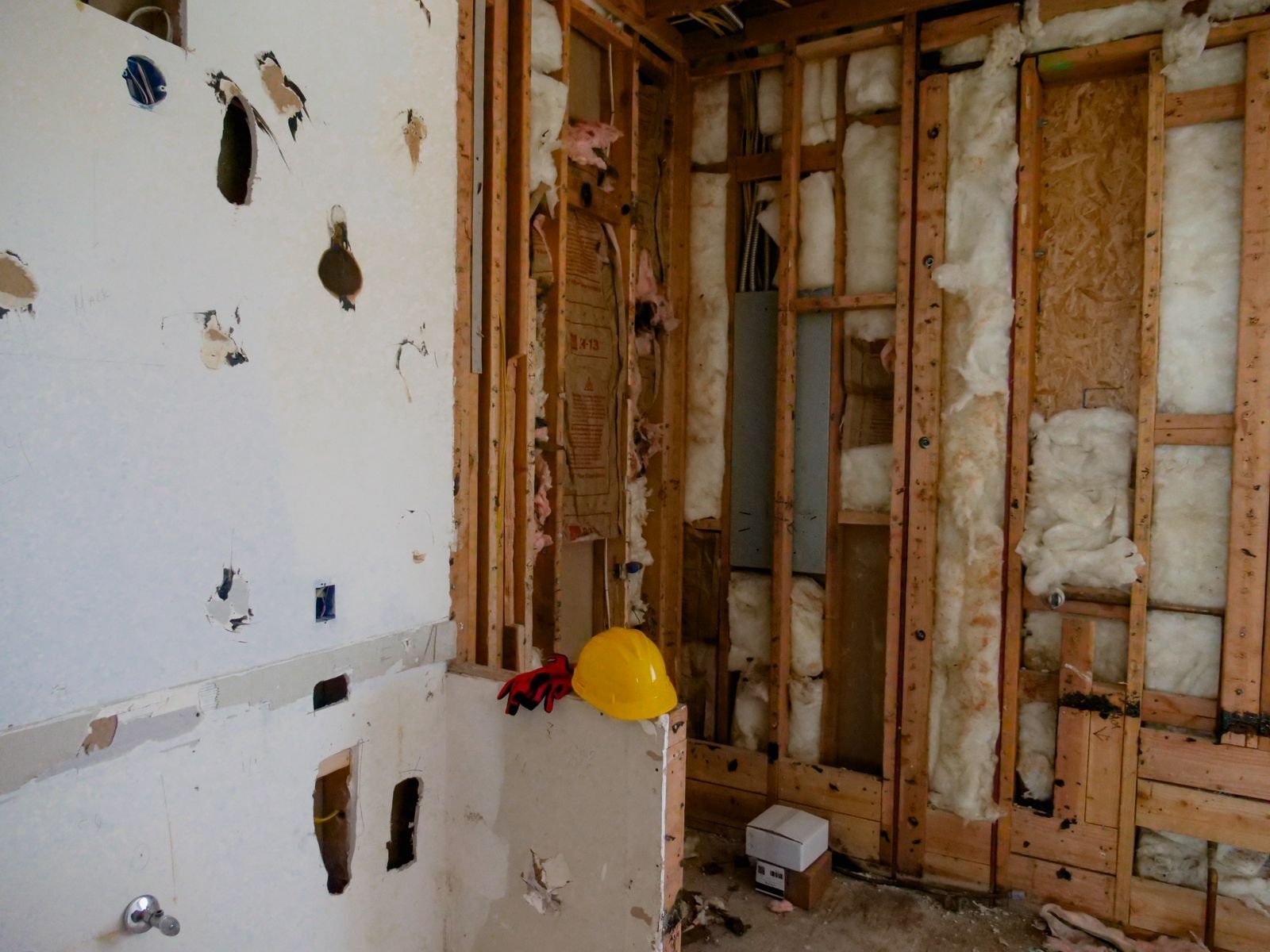
Plastic barriers, negative air, and removal of moldy drywall, pad, and insulation.
Clean and dry
HEPA vacuuming, antimicrobial on framing, and dehumidifiers until readings hit dry.
Rebuild
New drywall, trim, and paint, closed up only after the cavity is confirmed dry.
Cost and insurance when mold follows a leak
The cost comes down to how far the water went, how long it sat, and how much material has to come out. Catching it at the musty-smell stage costs far less than waiting until spots cover a wall.
Many homeowners policies will pay for mold only when it came from a covered, sudden water event, like a burst pipe, and some set a low cap for mold. If the insurer says the leak was slow and long-term, mold may be denied. That is why you should report water damage right away and keep photos. Our claim coverage estimator can help you think through your case, and the mold risk calculator shows how conditions add up.
Why call us instead of a mold-only company
Mold after water damage is a two-part job. A company that only cleans mold may leave the moisture behind. Our crews are trained in water drying and mold work, follow IICRC S500 and S520, and can handle the rebuild. We aim to reach most Lewisville homes in about 60 minutes when water is still active.
Keeping mold from coming back
Lewisville’s lake-country summers make indoor humidity control part of mold prevention. Aim for indoor relative humidity under about 50%, and have your AC checked if the house feels clammy even when it is cool.
After we finish, a few habits help. Run bathroom fans for 20 minutes after showers. Keep an eye on the drain pan under any attic water heater or air handler. Replace caulk around tubs and sinks when it cracks. If a leak ever happens again, call right away instead of waiting to see if it dries on its own.
Related
Other restoration help in Lewisville
See the main mold removal after water damage page or go to the Lewisville service area hub. For larger mold projects not tied to a recent leak, see mold remediation in Lewisville. Nearby, we also help in Flower Mound, Corinth, and Denton.
FAQ
Questions about mold after water damage
We had a leak last month and now smell mildew. Is that mold?
Very likely. A musty odor weeks after a leak usually means something stayed wet. A moisture check will show where, even if you cannot see growth yet.
Can I paint over mold stains?
No. Paint and even stain-blocking primer do not stop growth on wet material. The moldy material has to be cleaned or removed and the area dried first.
Will bleach kill mold on drywall?
Bleach can lighten the surface but does not reach roots in porous drywall and adds more water. Moldy drywall is usually cut out and replaced.
My landlord fixed the leak but did not dry the wall. What now?
Tell the landlord in writing that the wall is still wet or smells musty, and take photos. Ask for a moisture check. Mold behind a repaired leak is common when drying was skipped.
Do you test for mold after the work is done?
We check moisture levels to confirm materials are dry before rebuild. When Texas rules require it for larger projects, an independent licensed assessor does the clearance, and we coordinate with them.