Denton businesses handle commercial water damage best when they treat it as a business continuity problem, not just a cleanup job. The water has to be stopped and dried, but the real cost is often the days a store, office or restaurant cannot operate. The businesses that recover fastest have a plan before anything leaks: who shuts off the water, who calls the restoration company, how the space stays open, and how losses get documented for insurance.
This guide covers the common sources of commercial water damage, the first 24 hours, how to keep operating during drying, business interruption insurance, and the Texas mold rules that apply to commercial buildings.
Where commercial water damage usually starts
Commercial buildings have more plumbing, bigger roofs and more equipment than homes, and a leak can run all night or all weekend before anyone arrives.
- Fire sprinkler lines. Pipes in unheated areas can freeze, and accidental heads or fittings can discharge a lot of water quickly.
- Flat roofs and roof drains. Clogged roof drains and scuppers pond water, which finds seams and penetrations. Hail damages membranes and rooftop units.
- Rooftop and ceiling HVAC. Condensate lines and drain pans over drop ceilings overflow, especially in summer.
- Restrooms and break rooms. Supply lines, flush valves, ice machines, coffee makers and water heaters.
- Sewer backups. Restaurants and multi-tenant buildings with shared lines see grease and blockages.
- Storm runoff. Loading docks, storefront entries and below-grade spaces take on water during heavy rain.
What matters most by type of business
Denton’s commercial mix runs from older buildings around the courthouse square to shopping centers, medical offices, industrial space and properties near the University of North Texas and Texas Woman’s University. Each has different priorities after a leak.
| Business type | Biggest concern | How drying is usually planned |
|---|---|---|
| Retail stores | Inventory loss and closed doors | Move stock out of wet zones, contain the work area, reopen unaffected sections |
| Restaurants | Health and sanitation, kitchen equipment | Category 2 or 3 protocols, cleaning and sanitizing before food service resumes |
| Offices | Electronics, records, carpet tile | After-hours equipment moves, protecting servers and files, drying under raised floors or carpet tile |
| Medical and dental | Infection control and patient areas | Containment with negative air pressure, HEPA filtration, strict separation from patient spaces |
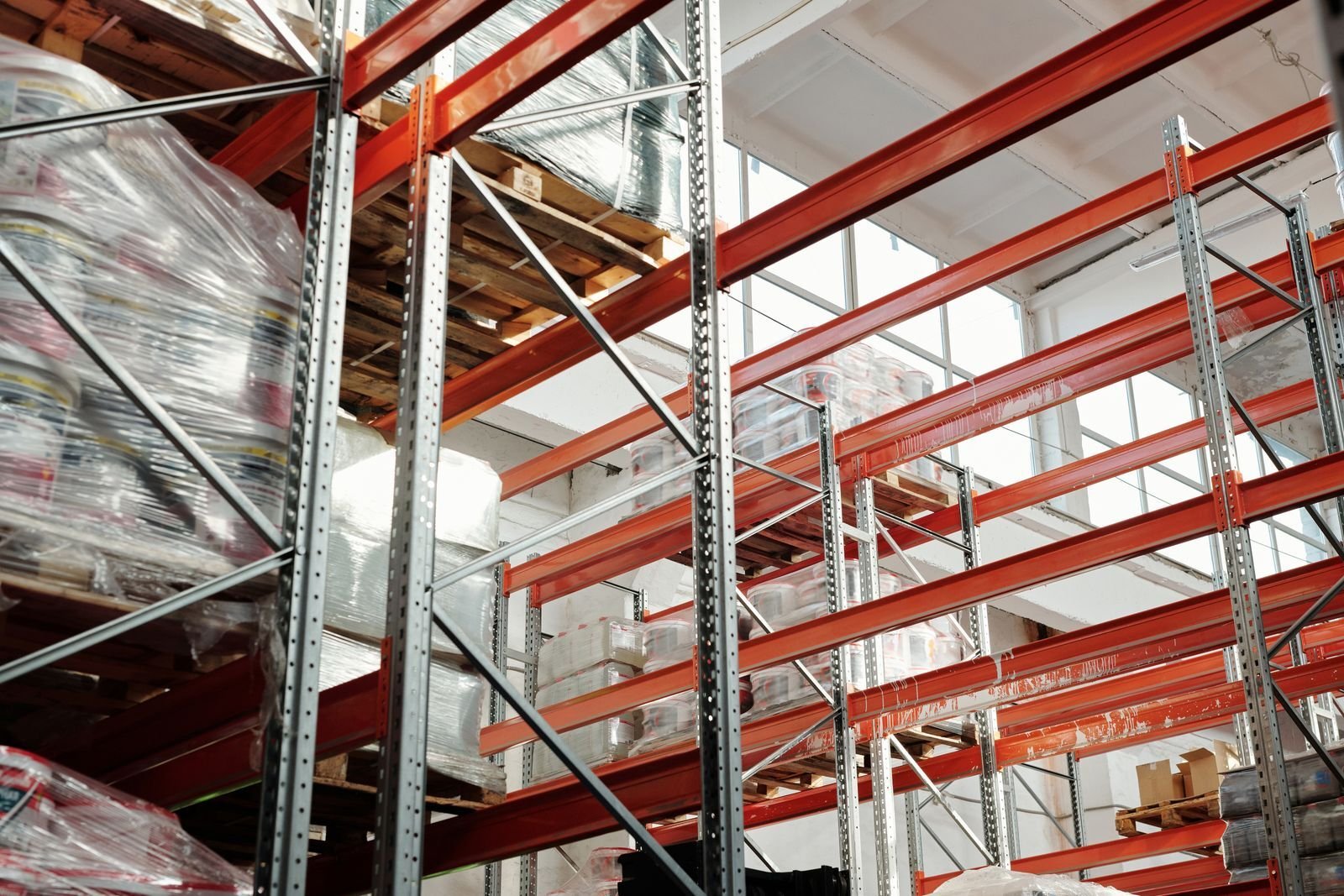
| Warehouses and industrial | Large open areas, stock on pallets, slab floors | High-capacity extraction and dehumidification, moisture checks at the slab |
| Multifamily and student housing | Water traveling between units | Unit-by-unit moisture mapping above, beside and below the source unit |
| Historic downtown buildings | Plaster, old wood floors, shared walls | Slower, controlled drying to protect original materials |
The first 24 hours
- First 15 minutesStop the water at the nearest valve or the building main. For sprinkler discharges, follow your fire protection procedures and contact your monitoring company and the fire department. Do not shut down fire protection on your own without notifying them.
- First hourClear people from wet areas, shut off power to affected circuits if it is safe, and protect electronics and records. Photograph and video everything.
- Hours 1 to 4Call your restoration company and your insurance agent. Notify the landlord or property manager if you lease. Decide which areas stay open.
- Hours 4 to 24Extraction, moisture mapping across the affected suite and neighboring spaces, and drying equipment in place. Set up containment where work is near customers or staff.
Keeping the business open during drying
Many commercial losses do not require a full closure. The goal is to dry the building fast while keeping as much of the operation running as possible.
- Containment. Plastic barriers and zipper doors separate work areas from customer and staff areas. Negative air machines keep dust and odors inside the work zone.
- Phased drying. Dry the most critical areas first, such as a sales floor, kitchen or patient rooms, then move to back-of-house spaces.
- After-hours work. Noisy work, material removal and equipment moves can be scheduled outside business hours when possible.
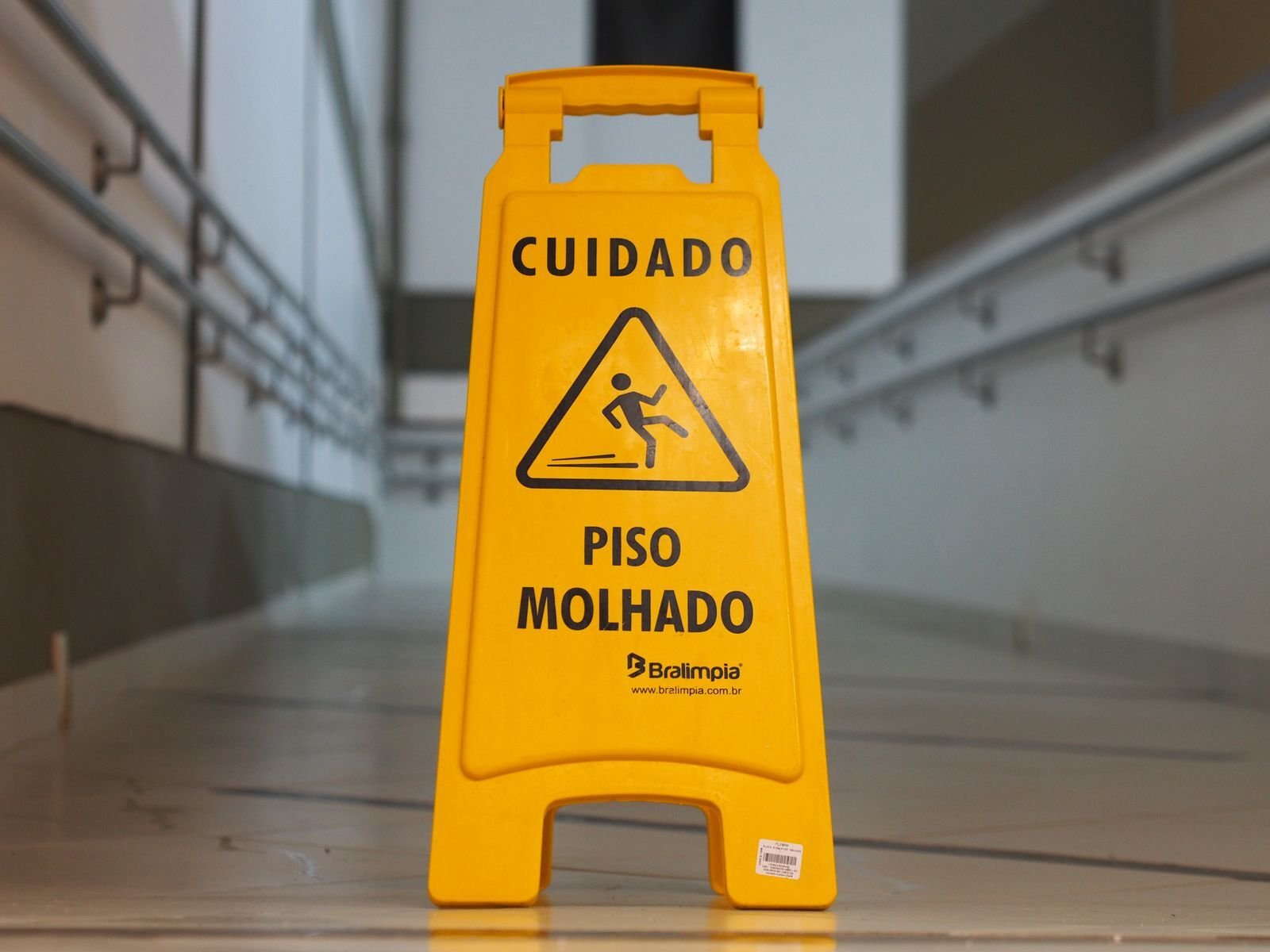
- Clear signage and safety. Mark wet floors, cords and equipment so staff and customers stay safe.
- Daily updates. Moisture readings and a clear estimate of when each area will be dry help managers plan staffing and reopening.
Our commercial water damage restoration crews plan jobs around your hours and document every day of drying.
Business interruption: what downtime really costs
The cost of a commercial water loss is often more about lost income than repairs. A shop that brings in $4,000 a day and closes for 5 days loses $20,000 in revenue before counting payroll for employees who still get paid.
Business interruption (BI) coverage can help replace lost income and continuing expenses, but it usually applies only when the physical damage itself is covered, and many policies have a waiting period before BI payments start, often 72 hours. Read the BI section of your policy and ask your agent how the waiting period and limits work.
Our commercial downtime loss calculator combines daily revenue, days closed, share of operations affected and payroll to estimate what a closure costs, and shows how a 72-hour BI waiting period changes the picture. It also shows how much each day of faster drying is worth.
Good records make BI claims much easier: sales history, payroll records, receipts for temporary relocation or rental equipment, and a timeline of when each part of the business was affected and when it reopened.
Texas mold rules for commercial buildings
Mold is where commercial and residential rules differ most in Texas. The Texas Department of Licensing and Regulation requires licensed mold assessment and remediation when mold contamination in a commercial building covers 25 contiguous square feet or more. The same rule applies to residential properties with 10 or more units, which includes most apartment complexes.
TDLR rules also keep assessment and remediation separate: the same licensee cannot do both on one project. After a licensed remediation, a Certificate of Mold Remediation is issued within 10 days of completion. That paperwork matters when you sell or lease the building later.
The best way to avoid a mold project is to dry quickly. The EPA says materials dried within 24 to 48 hours usually will not grow mold. When mold is already present, our mold remediation service follows the IICRC S520 standard, with containment, HEPA air scrubbers and negative air.
Landlords, tenants and who handles what
In leased space, the lease decides who repairs what and whose insurance pays. Often the landlord’s property policy covers the building structure, and the tenant’s policy covers improvements, contents and business income. Water from one suite that damages another adds another layer. Call both your agent and the property manager early, and share the same photos and moisture reports with everyone so no one is working from different facts.
Build a simple water emergency plan
- Map your shutoffs. Building main, each restroom and kitchen, water heaters and the fire sprinkler riser. Label them.
- Name a point person for each shift who knows where the valves are and who to call.
- Keep contacts in one place: restoration company, plumber, electrician, property manager, insurance agent and fire alarm monitoring.
- Store records off the floor and back up data offsite.
- Inspect roof drains and HVAC condensate lines before spring storms and summer heat.
- Protect sprinkler lines in unheated areas before freezes.
If you also manage property in the southern part of the county, our Lewisville water damage restoration page covers that area.
Frequently asked questions
Can my business stay open while water damage is being dried?
Often yes. Containment, negative air machines and phased drying let many businesses keep unaffected areas open. It depends on the water category, the areas involved and any health rules for your type of business.
How long does commercial drying usually take?
Many commercial spaces dry in about 3 to 5 days once equipment is running. Large open buildings, concrete slabs, and Category 3 water can take longer. Daily moisture readings show when each area is dry.
Does business interruption insurance cover a water leak?
It can, when the underlying water damage is covered by the policy. Most BI coverage has a waiting period, often 72 hours, and limits. Check your policy and talk with your agent.
Do I need a licensed mold remediator for my commercial building in Texas?
Yes, if the mold covers 25 contiguous square feet or more. TDLR requires licensed assessment and remediation at that size, and the assessor and remediator must be different companies.
Who pays for water damage in a leased space?
The lease decides. Often the landlord’s policy covers the building and the tenant’s policy covers improvements, contents and lost income. Notify both parties and insurers right away.
If your Denton County business has water damage, call (940) 274-9880. Our dispatcher answers 24/7, and we can plan extraction and drying around your hours to get you back to full operation as soon as possible.