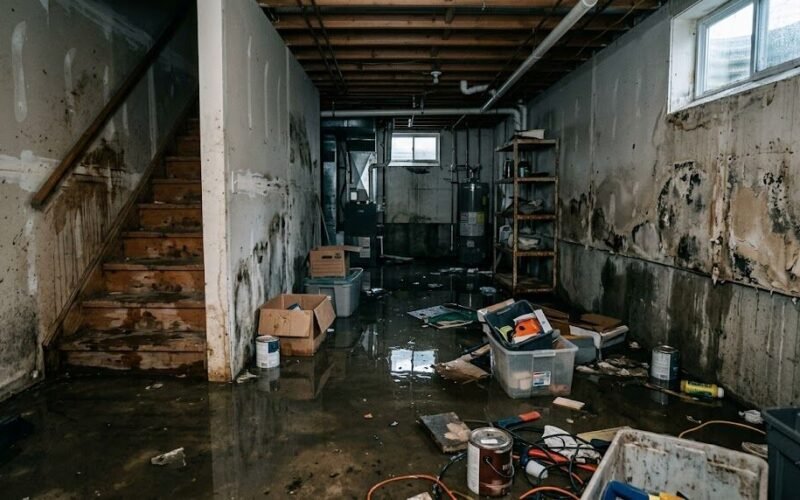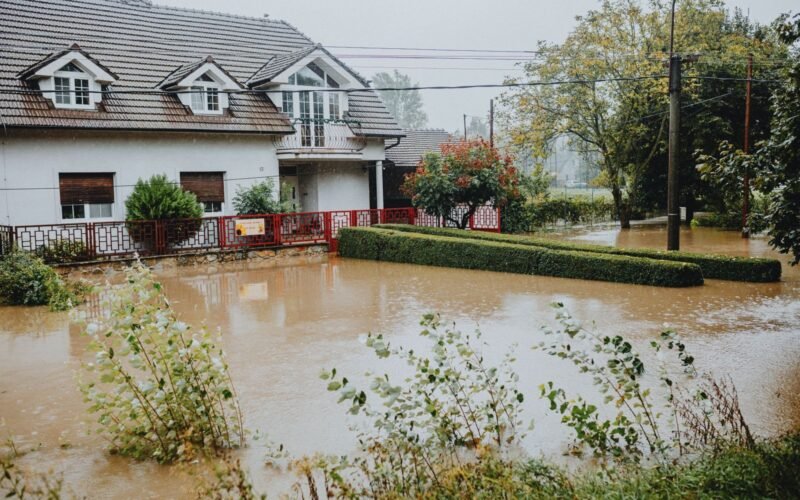
Texas heat increases mold growth after water damage because mold grows fastest in warm, humid, still air, and a North Texas summer supplies all three. When a leak happens in July, wet drywall and carpet pad sit in the ideal conditions for mold from the first hour. If the AC is off or struggling, the clock runs even faster.
Below we explain what mold needs, why summer in Denton County speeds it up, how humidity and time interact, and the steps that keep a leak from turning into a mold job.
What mold needs to grow
Mold spores are everywhere, indoors and out. They stay dormant until four conditions line up:
- Moisture. This is the one you can control. No water, no mold.
- Food. Paper-faced drywall, wood, carpet backing, dust and cardboard are all food for mold.
- Warmth. Most common indoor molds grow well at the same temperatures people like, and faster as it gets warmer.
- Time. Spores need a day or two of steady moisture to germinate and start spreading.
Food and spores are always present in a home. That leaves moisture, temperature and time. Texas summers push temperature up and make it harder to get moisture down, so time becomes the deciding factor.
Why North Texas summers speed things up
DFW’s normal high in July and August is about 95 to 96 degrees, with normal lows around 76. On average, DFW sees about 20 days a year at 100 degrees or more, most of them in July and August. Overnight temperatures stay warm, so buildings never really cool down.
Moisture comes up from the Gulf of Mexico, which makes summer air muggy even when it is not raining. When warm, humid air meets a cool surface, such as a wall cavity next to an air duct, it condenses. That extra moisture can keep materials wet longer after a leak.
Attics are the extreme case. In summer, a North Texas attic can get far hotter than the outside air. If a roof leak or an AC condensate overflow wets the insulation, the heat and trapped moisture create a steam room over your ceiling.
When the AC stops, risk jumps
Your air conditioner is also your main dehumidifier. It pulls water out of the air all day. If a storm knocks out power, if the leak came from the AC itself, or if you turned the system off to stop a condensate overflow, indoor humidity climbs quickly. A closed-up house at 85 degrees with wet drywall is close to a worst case for mold.
Heat, humidity and the mold timeline
The EPA says that if wet or damp materials are dried within 24 to 48 hours after a leak, in most cases mold will not grow. The EPA also recommends keeping indoor humidity below 60 percent, ideally 30 to 50 percent. The table shows how conditions change the risk after the same leak.
| Conditions after a leak | Indoor humidity | Mold risk in 48 hours | What to do |
|---|---|---|---|
| Winter, heat on, small leak caught fast | Below 50% | Low | Dry surfaces, run fans, confirm with a moisture meter |
| Spring or fall, AC running, water in one room | 50 to 60% | Moderate | Extract, pull wet pad, run a dehumidifier |
| Summer, AC running, wet drywall and carpet | 60 to 70% | High | Professional extraction and drying within 24 hours |
| Summer, AC off or broken, wet walls or insulation | Above 70% | Very high | Emergency drying, possible removal of wet materials |
You can run your own situation through our mold growth risk calculator. It weighs hours since the leak, indoor temperature, humidity, what got wet, the water source and how you are drying it, and gives a risk score from 0 to 100.
Why some materials mold first
Not everything is equal. Hard, non-porous surfaces like tile and sealed concrete rarely grow mold if you wipe them dry. The trouble spots are materials that hold water and feed mold:
- Carpet pad. It holds water like a sponge. The carpet surface may feel dry while the pad underneath stays soaked.
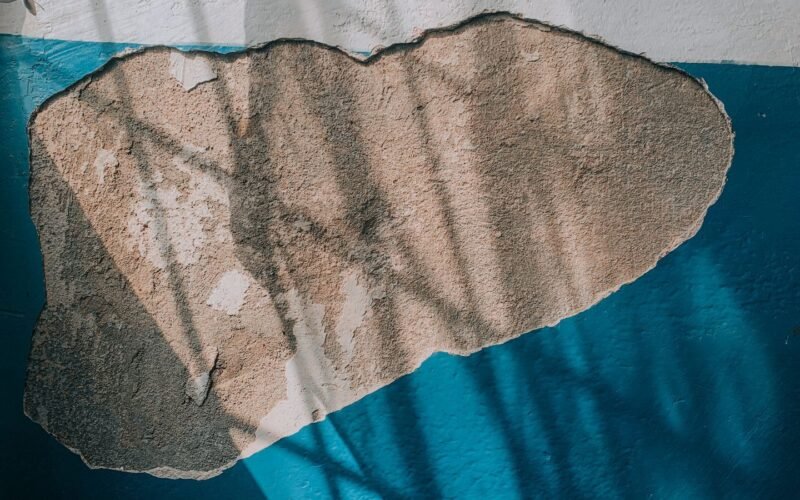
- Drywall. Water wicks up drywall above the visible line. The paper facing is ideal mold food.
- Baseboards and the bottom plate. The wood at the base of the wall stays wet longer than the drywall.
- Insulation. Wet fiberglass or blown-in insulation traps moisture against framing and drywall.
- Cabinet bases. Particle board under sinks and dishwashers swells and molds when a slow leak goes unnoticed.
Gray and black water make it worse. Water from a dishwasher, washer, AC pan, sewage or floodwater carries organic material that feeds mold faster than clean supply water.
What to do in the first 48 hours after a summer leak
- First hourStop the water, take photos, and move furniture and rugs off wet floors. Keep the AC running if it is safe to do so.
- Hours 1 to 6Get standing water extracted. Pull up wet area rugs. Set the thermostat to 72 degrees or lower to help pull humidity down.
- Hours 6 to 24Professional drying equipment should be running: LGR dehumidifiers and air movers placed based on moisture readings, not guesswork.
- Hours 24 to 48Remove materials that cannot dry in place, like saturated pad or the bottom of wet drywall. Check readings daily until materials reach dry standard.
Box fans move air across surfaces but do not remove water from the room. In a humid summer, they can push damp air into other rooms. Drying needs dehumidification plus airflow, and a moisture meter to confirm the inside of walls and floors is actually dry.
If the leak came from a closed wall or ceiling, do not paint over the stain or close it up until the cavity has been tested. Sealing a wet wall is one of the most common ways a small leak becomes a mold problem months later. Our water mitigation team uses thermal imaging and moisture meters to find water you cannot see.
If mold has already started
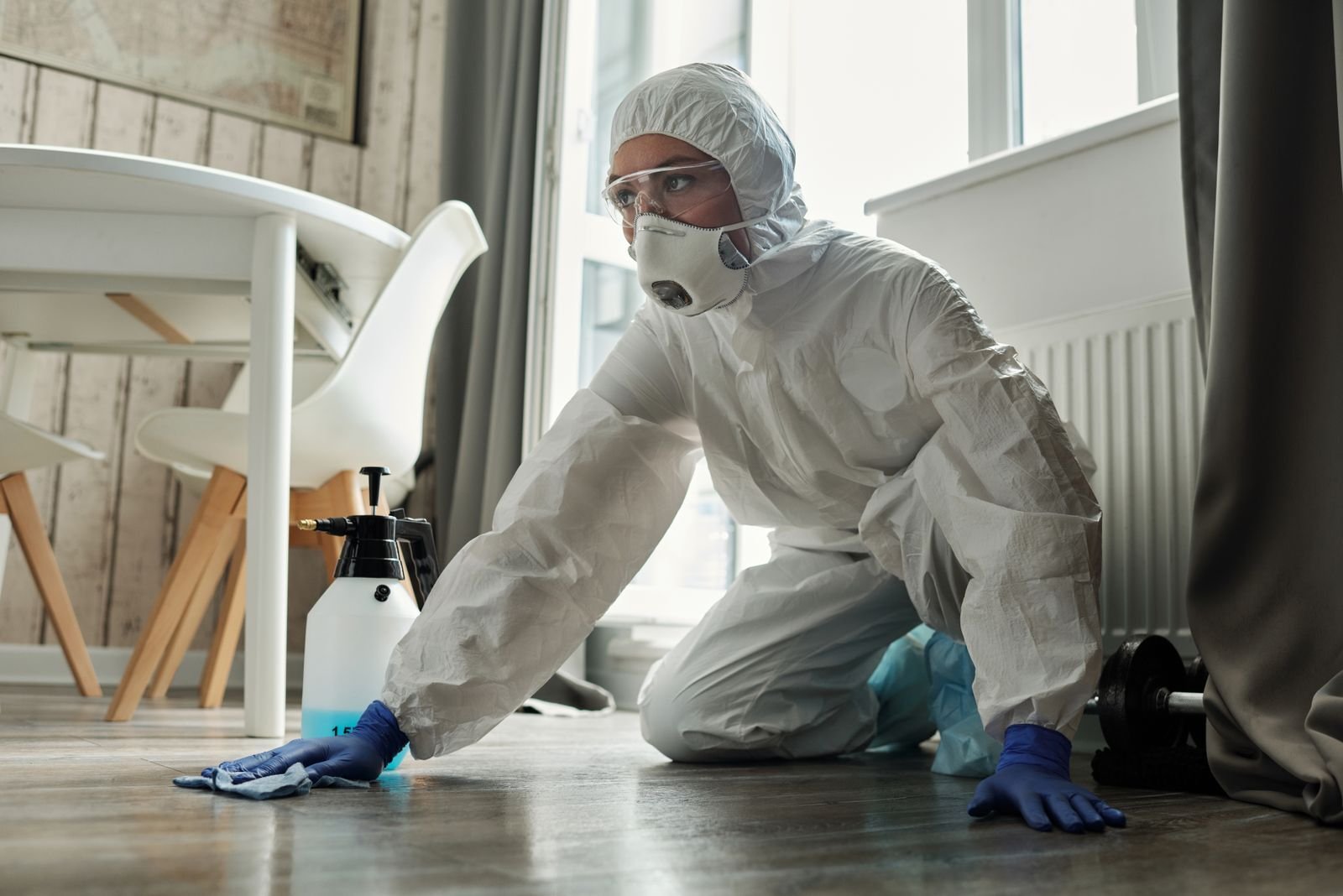
The EPA says that if the moldy area is less than about 10 square feet, roughly a 3 foot by 3 foot patch, most people can handle it themselves with proper cleaning and protection. Larger areas, mold inside walls or HVAC systems, or mold after sewage or floodwater should be handled by professionals. The EPA also advises not to run the HVAC system if you suspect it is contaminated.
Texas has its own rules. The Texas Department of Licensing and Regulation requires licensed mold assessment and remediation for projects of 25 contiguous square feet or more in most settings, such as commercial buildings and residential properties with 10 or more units. Owners of smaller residential properties may do their own work, but larger jobs are safer with containment, negative air and HEPA filtration, as described in the IICRC S520 standard.
Our mold removal after water damage service handles cleanup tied to a recent leak, and our mold remediation service covers larger or longer-term growth.
Does insurance cover mold after a leak?
According to the Texas Department of Insurance, mold on items damaged by a covered water loss, such as a burst pipe, is typically covered. Mold from gradual leaks usually is not. Many policies limit mold cleanup after the damaged items are removed, and some let you add mold coverage. Quick drying and good documentation are the best way to keep mold from becoming a separate, disputed claim.
Frequently asked questions
How fast can mold grow after a leak in the summer?
Mold can begin on wet drywall, pad and wood within 24 to 48 hours in warm, humid conditions. The EPA says drying materials within that window usually prevents growth.
What indoor humidity should I aim for after water damage?
The EPA recommends keeping indoor relative humidity below 60 percent, ideally between 30 and 50 percent. A cheap hygrometer can tell you where you are.
Should I turn off the AC after a leak?
Only if the AC is the source or there is an electrical hazard. Otherwise keep it running at 72 degrees or lower, since it removes moisture from the air. Do not run it if you suspect the system itself has mold in it.
Can I just spray bleach on mold?
Bleach can lighten surface stains on hard surfaces, but it does not fix the moisture problem and does not reach mold inside porous materials like drywall. Moldy porous materials usually need to be removed.
Do I need a licensed mold company in Texas?
For jobs of 25 contiguous square feet or more in commercial buildings or residential properties with 10 or more units, yes. Homeowners of smaller properties can do their own work, but professional containment is safer for larger areas.
If you have a leak in the summer heat, or you are already seeing spots or smelling mustiness, call (940) 274-9880. Our dispatcher answers 24/7, and our crews can start drying and check for hidden moisture before mold takes hold.