Containment and HEPA cleanup · Justin, TX
Mold Remediation in Justin, TX
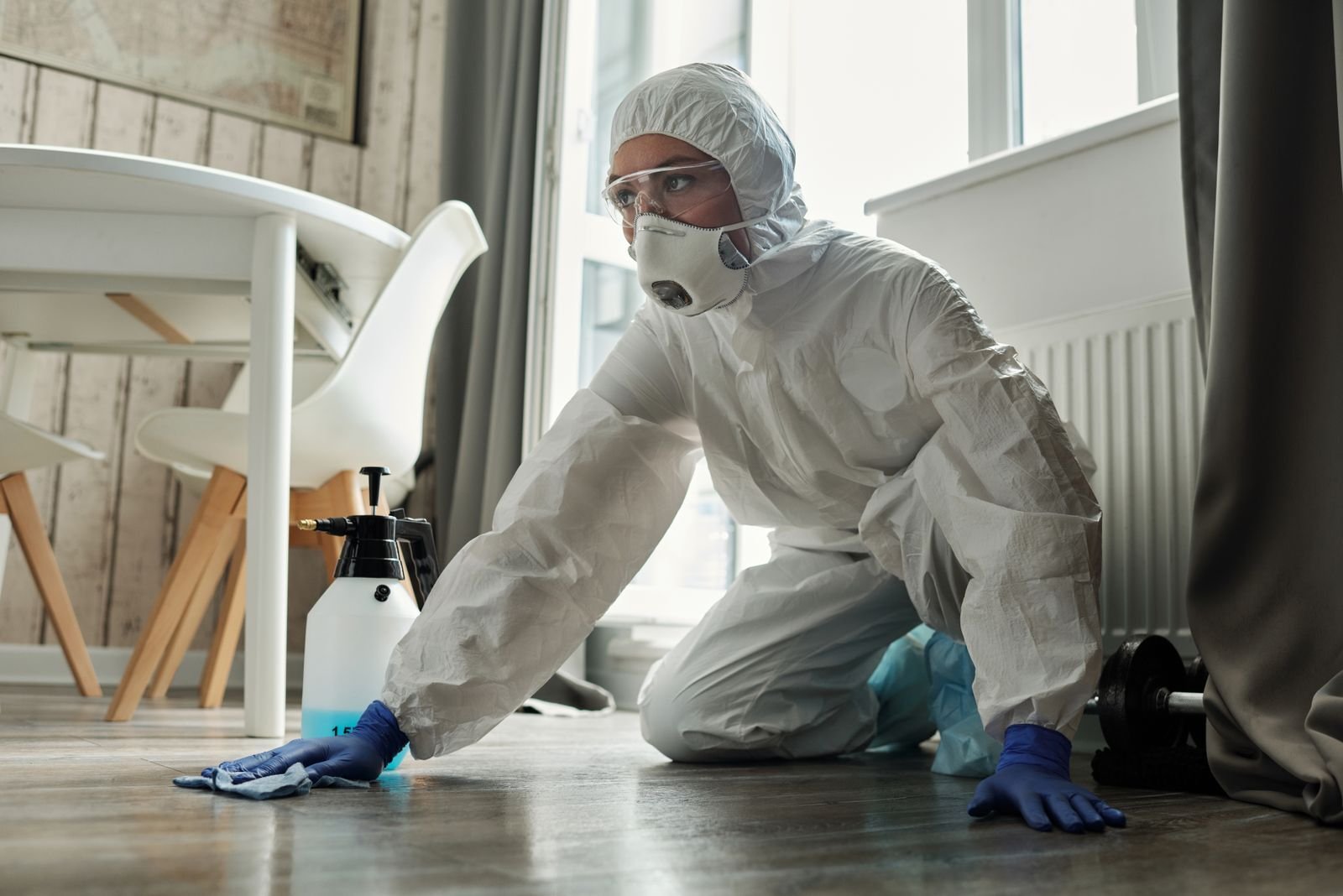
Mold needs moisture, and North Texas summers supply plenty. We provide mold remediation in Justin, TX following IICRC S520: we contain the area, remove growth, clean the air, and fix the moisture that caused it.
- IICRC S520 methods
- Negative air containment
- HEPA air scrubbers
- Free estimates
Signs you need remediation
- Smell: musty odor that returns after cleaning
- Stains: dark or fuzzy spots on drywall or ceilings
- History: a leak that was not dried properly
- Size: growth larger than a small patch
Small patches on hard surfaces can often be cleaned by homeowners.
Why mold shows up in Justin homes
Mold needs moisture, food, and time. Drywall paper and wood framing provide the food, and a leak left wet for 24 to 48 hours provides the rest. Summer humidity in North Texas keeps materials damp longer, especially in closed rooms.
Most Justin houses are newer, built tight for energy efficiency. That is good for utility bills but traps moisture when a leak goes unnoticed. We often find mold behind a washer, under a sink, around an attic air handler, or on a wall behind furniture where air does not move.
Older homes near Old Town have their own risk: crawlspaces that stay damp after rain and older windows that let in water. See our article on how Texas heat increases mold growth.
Our method
How mold remediation in Justin TX works
Inspect
We look for visible growth, check moisture, and find the water source.
Contain
Plastic barriers and negative air machines keep spores from spreading.
Remove
Moldy drywall, insulation, and carpet come out in sealed bags.
Clean
HEPA vacuuming, wiping, and antimicrobial treatment on framing.
Dry and verify
We dry the area, run air scrubbers, and confirm it is clean before rebuild.
Texas rules
Mold rules in Texas, in plain terms
Texas regulates larger mold projects. Under state rules, work on mold covering 25 contiguous square feet or more generally requires a licensed mold assessor to write a protocol and a licensed remediator to do the work. The two must be separate companies.
For smaller areas, the state rules usually do not apply, but good practice does: contain the area, remove damaged material, and fix the moisture. We will tell you which category your project falls in and how clearance is handled.
The EPA mold guide is a good neutral reference if you want to learn more.
Room by room
Where mold remediation starts in a Justin house
Attic
Air handlers and ducts sweat in summer, and a clogged condensate line can wet insulation and decking. Roof leaks after hail add to it.
Bathrooms
Failed shower pans and toilet seals leak into the subfloor and wall base. Poor exhaust fans leave ceilings damp after every shower.
Closets and exterior walls
Cool walls behind clothes and furniture collect condensation in humid months, especially where air does not circulate.
Wherever it starts, we treat mold as a symptom. The remediation plan always includes finding and fixing the water or humidity source, or the growth will come back to the same spot.
Living in the house during remediation
Most families stay home during a small or mid-size mold job. The containment keeps the work area sealed, and air scrubbers run while we work. Keep kids and pets out of the zone and follow the crew’s directions about doors and HVAC vents.
Cost and insurance for mold remediation
Mold coverage is limited on many policies. If mold grew because of a sudden covered leak, some policies pay for remediation, often with a cap. Mold from long-term leaks or humidity is usually excluded. Read your policy or ask your agent.
Cost depends on the size of the affected area, how hard it is to reach, what materials need removal, and whether an outside assessor is required. Use our mold growth risk calculator to see how fast mold may be growing after a leak.
Why Justin homeowners call us
- Moisture first. We fix the water problem, not just the stain.
- Containment every time. Spores stay in the work area.
- Rebuild included. Walls and floors put back after clearance.
- We do not promise mold will never return. Moisture control decides that.
More services
Other services in Justin


Read more on our mold remediation service or go to the Justin water damage hub. We also offer mold remediation in Denton, Argyle, and Krum.
FAQ
Mold remediation FAQ for Justin
Can I clean mold myself?
Small areas on hard surfaces, under about 10 square feet, can usually be cleaned with detergent and water while wearing gloves and a mask. Larger areas, or mold in drywall and insulation, need containment.
Is black mold more dangerous?
Color does not tell you the species or the risk. Any mold growing indoors should be removed, and people with allergies or asthma should stay out of the area.
Do I need mold testing?
Not always. If mold is visible, the fix is removal and moisture control. Testing helps when you smell mold but cannot find it, or when a clearance test is required.
Do you remove mold from attics?
Yes. Attic mold usually grows on roof decking from a leak or poor ventilation. We contain the area, clean or replace affected wood, and fix the moisture cause with your roofer or HVAC tech.
How long does mold remediation take?
Small jobs can take 1 to 3 days. Larger jobs with containment, removal, and clearance can take a week or more before rebuild.
Will mold come back?
It is much less likely once the moisture source is fixed and materials are dry. No one can promise it never returns, which is why we start with the leak or humidity problem, not just the visible growth.