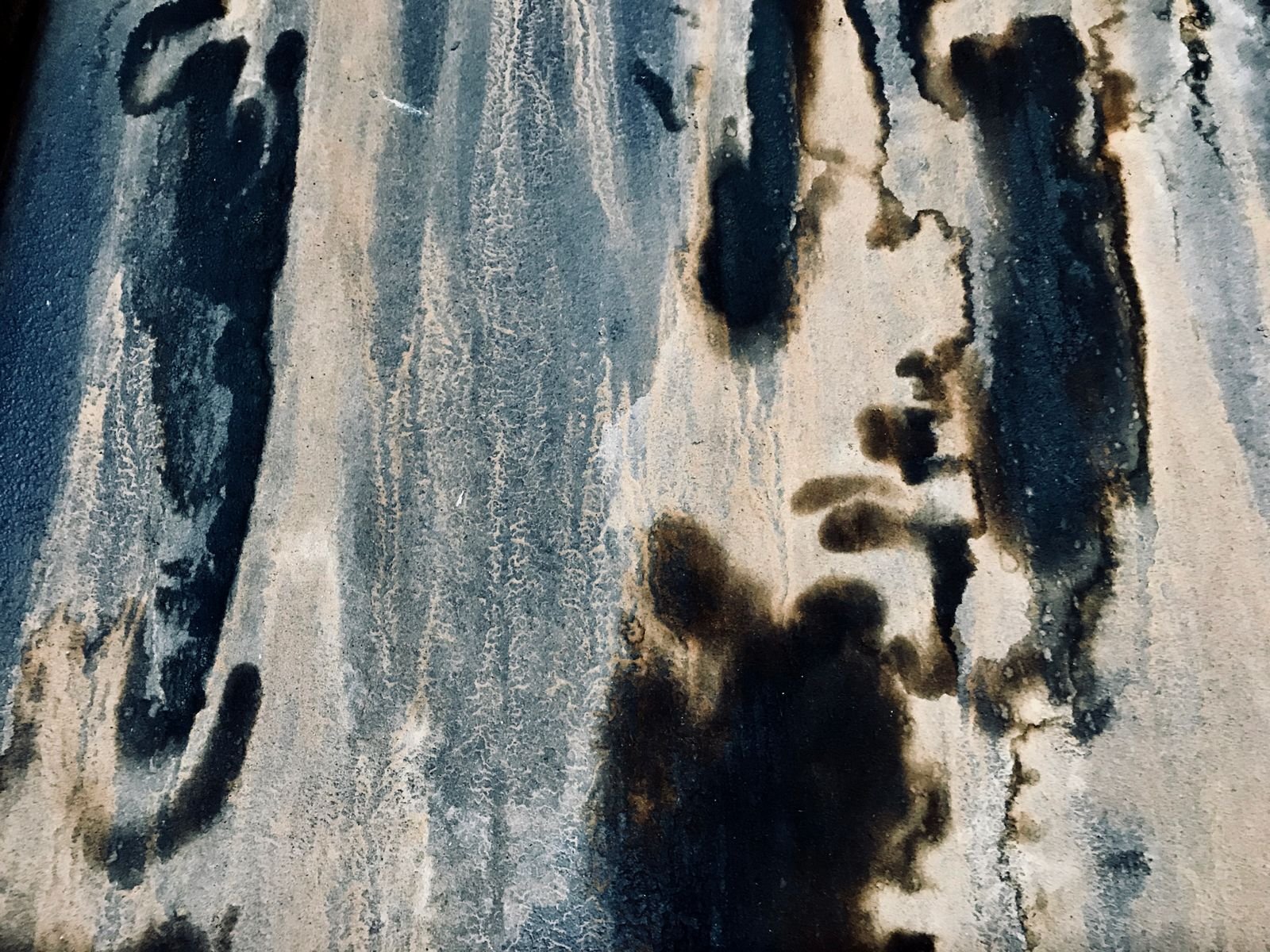
Containment and HEPA cleanup · Krum, TX
Mold Remediation in Krum, TX
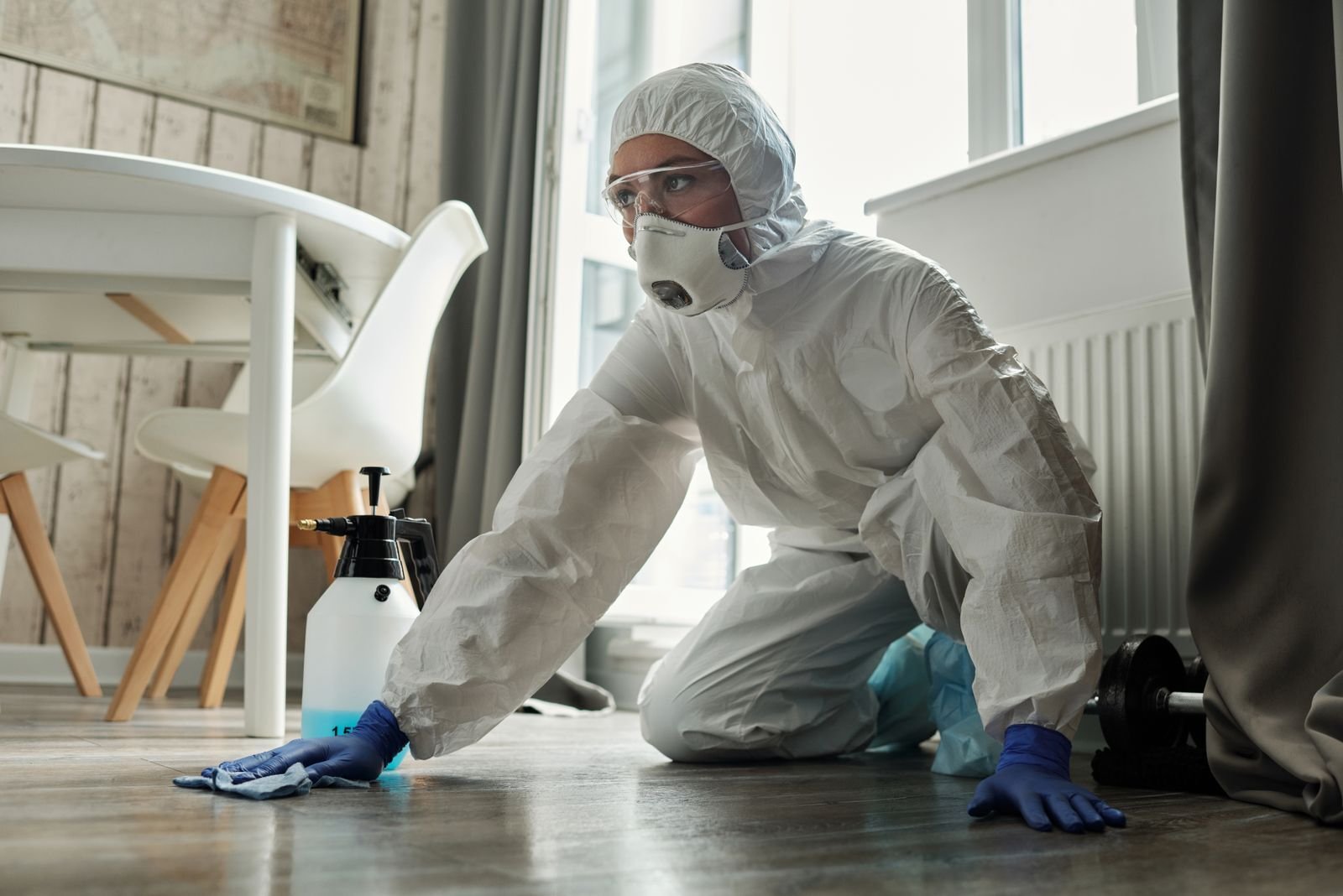
Mold needs moisture, and the fix has to deal with both. Our mold remediation in Krum, TX follows the IICRC S520 standard: contain the area, remove growth with HEPA controls, fix the water source, and dry.
- IICRC S520 methods
- Negative air containment
- HEPA air scrubbers
- Moisture source fixed
Seeing mold? Start here
Do not scrub it, spray it with bleach, or run fans at it. Disturbing growth spreads spores to clean rooms. Close the door to the area if you can, turn off the HVAC fan if the growth is near a vent, and call (940) 274-9880.
If anyone in the house has asthma, allergies, or a weak immune system, keep them away from the area and ask their doctor about exposure.
Krum conditions
Why mold grows in Krum homes
Our process
Mold remediation in Krum, TX, done by the standard
Inspect
Moisture readings and thermal imaging find the water feeding the mold and how far it reached.
Contain
Plastic barriers and negative air machines keep spores from drifting to the rest of the house.
Remove and clean
Moldy drywall and insulation come out. Framing is HEPA vacuumed, cleaned, and treated.
Dry and verify
We dry the area, run HEPA air scrubbers, and confirm materials are dry before rebuild.
When the work is done, we remove containment and rebuild walls or floors. For larger jobs, a licensed assessor may do a clearance check first.
Signs of hidden mold
Mold in a tight, newer house is often hidden at first. Look for:
- A musty smell that is stronger in one room or when the AC kicks on.
- Stains or bubbling paint on ceilings under attic equipment.
- Dark spots on grout or caulk that come back right after cleaning.
- Warped baseboards or soft drywall near a tub, toilet, or sink.
- A past leak that was patched without being dried.
If the smell seems to follow the air, the HVAC system may be involved. Wet insulation around ducts or a dirty condensate pan can spread spores. We look there too and coordinate with your HVAC tech when ductwork needs cleaning.
What we do not do
- Spray bleach on drywall and call it done. Bleach does not reach mold rooted in porous material.
- Paint over growth. It comes back through the paint.
- Remove mold without fixing the leak behind it.
- Promise mold will never return. Mold comes back when moisture does.
For larger jobs, Texas has mold assessment and remediation rules, and a separate licensed assessor may test before and after. We will tell you when that applies to your job. The EPA mold guide is a good plain-language primer.
Cost and insurance
Cost depends on the size of the affected area, how much material comes out, containment needs, and repairs. Insurance may cover mold that results from a covered, sudden water loss, often with a cap. Mold from long-term leaks or humidity is often excluded. Coverage depends on your policy.
We give you a written scope before work starts, listing the containment, what comes out, and what gets rebuilt. If a Texas-licensed assessor is involved, our scope follows their protocol.
Our mold growth risk calculator shows how fast conditions can turn. More detail is on our mold remediation service page and the Krum restoration hub. We handle the same work in Denton, Ponder, and Justin.
Mold in attics, barns, and shops
Attic mold in Krum homes often starts with a slow AC condensate leak or a roof leak after hail. The underside of the decking and the insulation around the air handler are the usual spots. We remove wet insulation, clean the framing with HEPA vacuums and wiping, and dry it before new insulation goes in.
Finished barn offices, tack rooms, and shop spaces on rural lots can grow mold too, especially after storms. They get the same containment and cleaning as a house when people use them regularly.
More services in Krum
More Krum services


FAQ
Mold questions from Krum
Is a small patch of mold something I can clean myself?
A small spot on a hard surface, like a bathroom tile, usually yes. Growth on drywall, larger areas, or anything after a leak or flood is better handled with containment.
Do I need a mold test first?
Not always. Visible growth tells us mold is present. Testing helps when you smell mold but cannot see it, or when a larger job falls under Texas assessment rules.
Can I stay home during mold remediation?
Usually yes, as long as the work area is sealed off. We keep negative air running so spores do not move into living space.
Why does my newer Krum home have mold?
Tight construction holds moisture in. A slow AC pan or supply line leak in a sealed wall or attic can feed mold without any sign until it spreads.
How long does mold remediation take?
Small contained jobs often take 1 to 3 days. Larger areas, especially with drying and rebuild, can take 1 to 2 weeks.
Will you tell me what caused the mold?
Yes. Finding the moisture source is part of the job. We show you the readings and photos, and tell you whether a plumber, roofer, or HVAC tech needs to fix it.