Extraction and drying · Denton, TX
Water Mitigation in Denton, TX
Water mitigation in Denton, TX is the emergency part of the job: pull the water out, stop it from spreading, and dry the structure before mold or warping sets in. We start the same hour we arrive.
- Water extraction on arrival
- LGR dehumidifiers
- Daily moisture logs
- Insurance-ready photos
Why speed matters here
- Mold window: 24 to 48 hours
- Typical dry time: 3 to 5 days
- Arrival goal: about 60 minutes
- Standard: IICRC S500
Times vary with water category and materials.
Mitigation vs restoration: what you are calling for
Mitigation limits the damage. Restoration puts the house back. Insurers treat them as separate steps, and your policy usually expects you to mitigate quickly. If you wait, the insurer may argue the added damage was avoidable.
So the first visit is all mitigation: water extraction, removal of materials that cannot be saved, and a drying setup. Rebuild comes after the readings say dry. We do both, but the mitigation clock is the one that matters tonight.
First visit
What happens in the first few hours
- On arrivalWe confirm the source is off and check for electrical risk. We ask if the home is on a City of Denton meter so we know where the shutoff and service line are.
- First 30 minutesMoisture meters and a thermal camera trace wet areas. We sort the water into Category 1, 2, or 3 and the damage into Class 1 to 4.
- First 2 hoursWater extraction with truck-mount or portable units. Carpet pad and swollen baseboards come out. Flood cuts go in only where drywall wicked water.
- Before we leaveAir movers and LGR dehumidifiers are set, the moisture map is drawn, and photos are logged for your claim.
- Each day afterWe return to record readings and move equipment until every area reaches dry standard.
Drying science
Water extraction in Denton and why drying takes days
Extraction removes most of the water in hours. The rest is inside wood, drywall, and the slab. That water leaves only as vapor, and Denton’s summer humidity makes that slow.
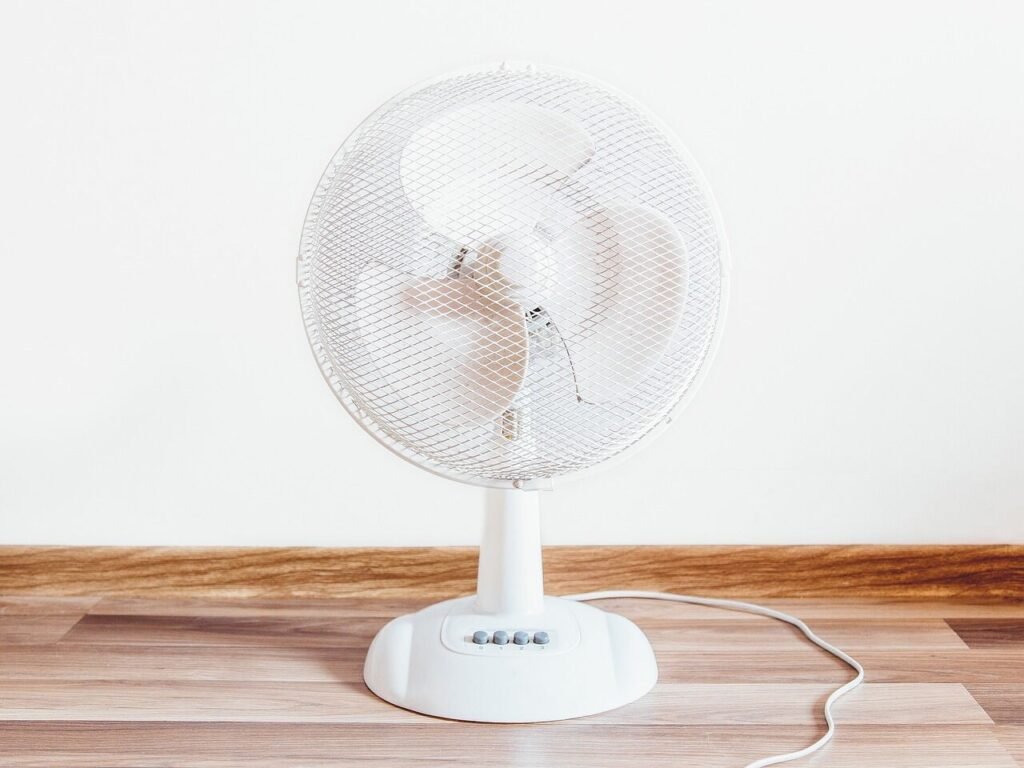
LGR dehumidifiers pull the vapor out of the air so materials keep giving it up. Air movers push dry air across wet surfaces. We watch relative humidity and dew point, not just the calendar.
Some older homes near the Square sit on pier and beam floors, so we dry the crawlspace too. Newer slab homes in 76210 and 76208 dry from the top down, which is why we lift carpet and pad.
Typical drying
Drying time by material
| Material | Usual approach | Typical time |
|---|---|---|
| Carpet with new pad | Extract, float or replace pad | 2 to 4 days |
| Drywall, wet low | Remove baseboard, dry in place | 3 to 5 days |
| Drywall, soaked high | Flood cut and dry the cavity | 3 to 5 days |
| Hardwood | Panel mats and dehumidifiers | 5 to 14 days |
| Concrete slab | Expose, heat, and dehumidify | Several days or more |
Estimates only. Category 3 water, cold weather, and thick materials add time.
Cost and insurance for mitigation
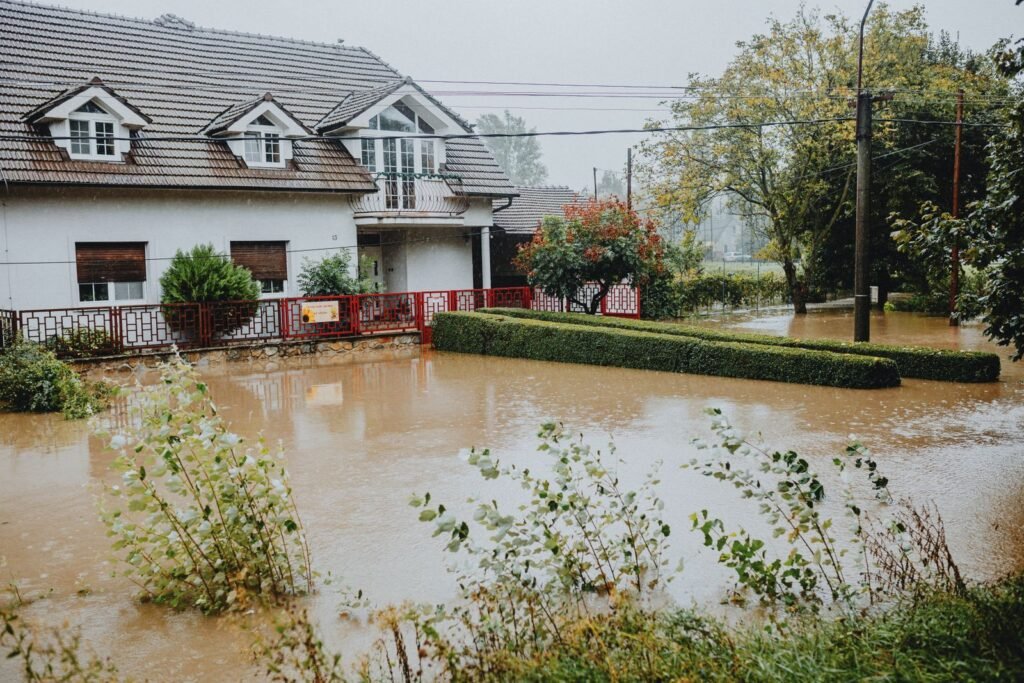
Mitigation cost depends on the square footage wet, water category, how many days equipment runs, and what gets removed. Most homeowners policies cover mitigation after a sudden, accidental leak. Floodwater from outside needs flood coverage. Our daily logs show the adjuster why each fan and dehumidifier was there. You can run numbers with the emergency severity calculator.
Inside city limits, the shutoff is usually in the meter box near the street. The street side of the meter is generally the city’s, and leaks on your side are yours to fix. If water is coming up at the box itself, call the city first.
Why call us for water mitigation
- Real extraction power. Truck-mount and portable extractors on every truck.
- Measured drying. Readings recorded daily, not guessed.
- No handoff. The same company can rebuild once it is dry.
Learn more on our main water mitigation service page and the Denton service area hub. Nearby, see water mitigation in Corinth, Lake Dallas, and Krum.
Water categories and what they mean for your home
Before we pull a single drop, we name the water type. It changes what we can save.
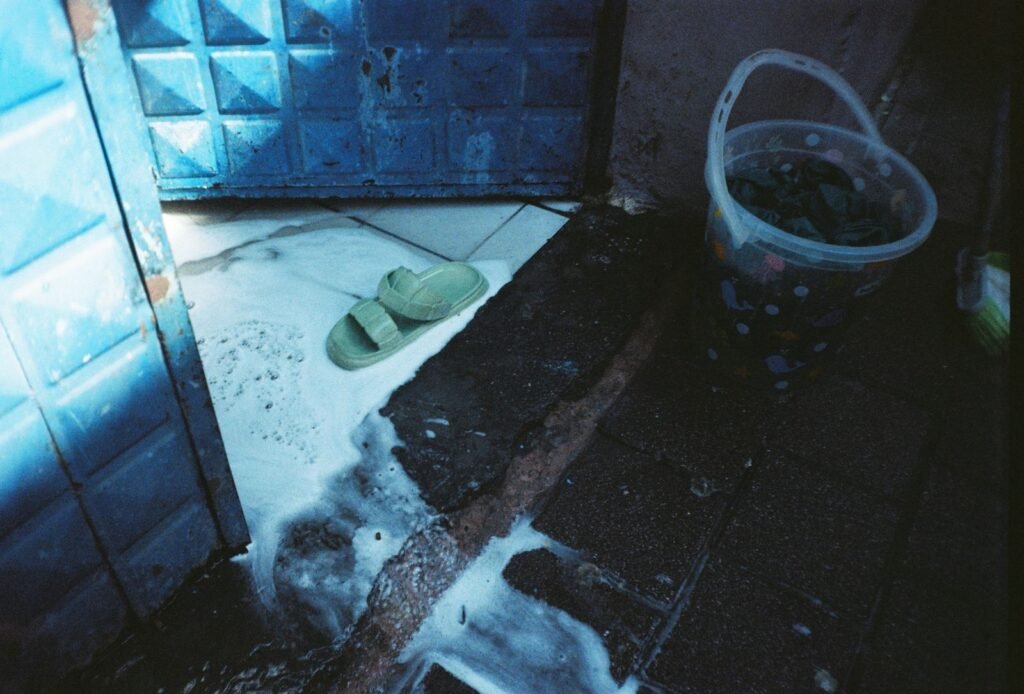
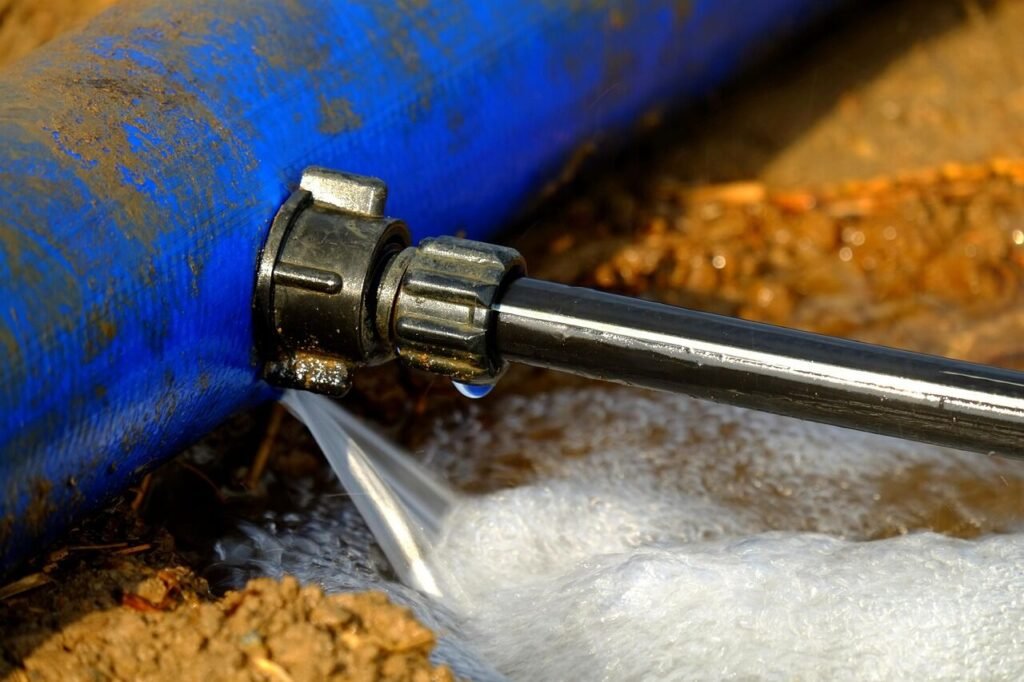
- Category 1, clean water. A supply line, ice maker line, or rain through a window. Most materials can dry in place if we move quickly.
- Category 2, gray water. Washer or dishwasher discharge, or a toilet overflow without waste. Pad usually goes, and surfaces get cleaned and treated.
- Category 3, black water. Sewage, creek flooding, or anything that sat long enough to go bad. Porous materials come out.
Clean water does not stay clean. After a day or two in warm Denton weather, a Category 1 loss can drift to Category 2. That is one more reason to start water removal the same day.
FAQ
Water mitigation and extraction questions
Can I just use a shop vac and box fans?
For a small spill caught right away, maybe. Once water gets under flooring or into walls, fans alone move damp air around. Dehumidifiers and moisture readings are what confirm the structure is actually dry.
Why did you cut my drywall?
When drywall wicks water high or the water is dirty, the cavity behind it cannot dry or be cleaned through the surface. A flood cut opens it so air can reach the studs and insulation.
Can you turn equipment off at night?
Please don’t. Drying works around the clock, and shutting it off lets humidity climb back up. If noise is a problem, tell us and we will adjust placement.
How do I know the job is finished?
We compare readings in wet areas to dry, unaffected areas of the same material. When they match, we remove equipment and give you the final log.
Do you offer water extraction for apartments near UNT?
Yes. We handle single units and whole buildings, and we coordinate with the property manager so neighboring units get checked too.
What does water mitigation cost in Denton?
It depends on the wet area, the water category, and how long drying runs. We give you an itemized estimate, and many sudden leaks are handled through a homeowners claim.